Housing starts and permits are slowing nationwide. The current pace of construction would have been considered a trough in pre-recession economic cycles.


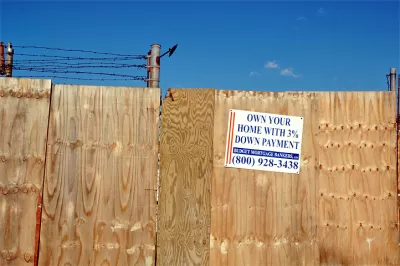
Andrea Riquier reports on housing data released by the U.S. Department of Commerce this week. The data show housing starts slowing for the nation as a whole, falling short of expectations and reaching lows not seen since the early days of the Trump administration.
Housing starts were at a 1.14 million seasonally adjusted annual rate in March, the Commerce Department said Friday, 0.3% lower compared to February.
It missed the MarketWatch consensus of a 1.225 million seasonally adjusted annual rate and was the lowest since May 2017.
Permits fell 1.7% to a rate of 1.27 million. Economists expected a 1.3 million rate on permits.
In addition to sharing the new data, Riquier also writes about how the slow housing construction industry fits into the big picture of an economy that includes constrained supply, memories of the last recession, a tight labor market, expensive materials, and complex regulatory environments.
FULL STORY: Housing starts lurch to a near 2-year low


South Texas Home Builders Say “There’s no Labor” After ICE Raids
Construction is slowing as immigration detentions have a chilling effect on the labor market.

New Housing Construction Drops 41 Percent in San Francisco
Building permits aren't the same thing as new buildings, as San Francisco proved once again in 2018.
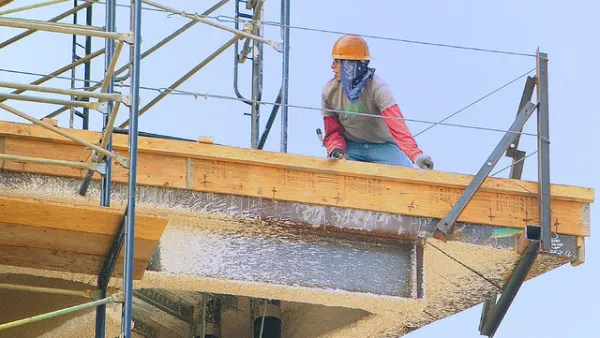
Construction Worker Shortage Blamed for Housing Supply Woes
Zoning and red tape gets a bad wrap in arguments that blame the housing crisis on a lack of housing supply. Another narrative credits a shortage of construction workers on the lack of housing supply in the country.

The state-sanctioned urbicide of Austin
People don’t kill cities. Freeways do.

US to reduce Colorado River water deliveries to Mexico
A new Colorado Treaty amendment reduces Mexico’s Colorado River water allocation by 250,000 acre feet.

New Jersey’s second-largest city bans standalone data centers
Jersey City will continue to allow co-location facilities, such as those meant for research institutions that store their own data.

Amtrak not solely to blame for New Jersey commuter rail's unreliability, report finds
A new study from the Garden State Initiative found that NJ Transit’s budget grew 20% across a 4 year period, but reliability declined significantly over the same period.

EPA erases limits on planet-warming pollution from power plants
Under Monday’s plan, power plants would still have some limits on how much mercury, arsenic and other contaminants they can emit.

Phoenix announces new on-demand transit service, more frequent RAPID buses
Both new services will launch in October, and are part of Phoenix's Project Effective Access Solutions for Easing Congestion.

FREE Course: Walkable City 1: Why Walkability?
After describing his path towards focusing on walkability as the essence of good planning, Jeff Speck marches through his five principal reasons for making more walkable places.
Reinventing Malls: Planning Alchemy—Turning Gray Fields Into Gold
The course focuses on the opportunities and imperatives that shape reinvention of mall sites.

Eagle County Government
Harvard University Graduate School of Design
Nashville Planning Department
The Architects Foundation
University of Cincinnati Online
The Pocatello Development Authority
The Urban Renewal Agency of the City of Pocatello
Journal of the American Planning Association