Impact fess, also known as growth fees, are creating controversy in the Canadian city of Winnpeg, even as the city prepares new infill development guidelines to quell development controversies in older neighborhoods.



Bartley Kives reports from Winnipeg, where the city is wrestling with a desire to add more infill.
Kives traces the controversy back to 2016, when the city introduced impact fees, also known as growth fees. "The fees apply to new developments in some outlying neighbourhoods of Winnipeg," explains Kives. "Developers dislike them — a legal challenge against Winnipeg's authority to levy the charges is still winding its way through the courts at the speed of a large and heavily sedated sloth."
Winnipeg Mayor Brian Bowman has been a big supporter of impact fees, arguing that the city needs revenue to fund the infrastructure that supports the city's expansion. Still, the impact fees haven't generated any spending, despite raising $11 million, because of the ongoing court case.
A city plan to roll out the impact fees to older parts of the city, subject to infill development, also raises question about the goals of the fee program. "In theory, growth fees disincentivize urban sprawl — which is costly for cities — and make development in older neighbourhoods more attractive," explains Kives.
Taxing infill developments would spread the disincentive around. "To urban planning nerds, it may seem counterproductive to apply growth fees to infill development, which is the type of growth cities all over North America are trying to encourage."
There's at least one voice in power in the city who thinks infill projects are burdensome enough on the city's resources to warrant an impact fee, City council property chair Brian Mayes. "Mayes said he's not convinced infill pays for itself. On Friday, he said any increase in population results in greater stresses on Winnipeg's sewage-treatment system, for starters," reports Kives.
Set against that political backdrop, the city is also preparing new infill guidelines, designed to help new developments blend in to the existing urban fabric.
FULL STORY: What do we want? Infill housing! How do we get it? We have no idea!

The High Cost of Sprawl
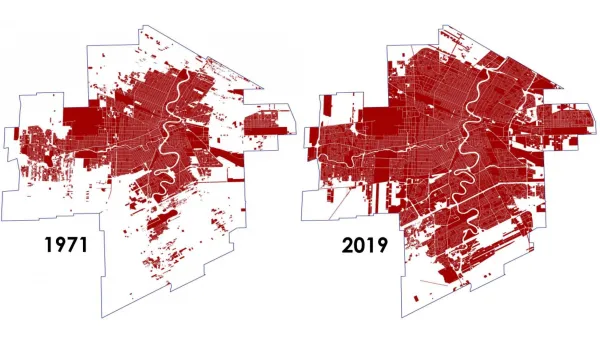
Low density sprawl stretches the tax dollars of every resident. That fact could be used to support plans for more infill density, according to this article set in the city of Winnipeg, Manitoba.
New California law could reduce building costs by up to $70k per unit
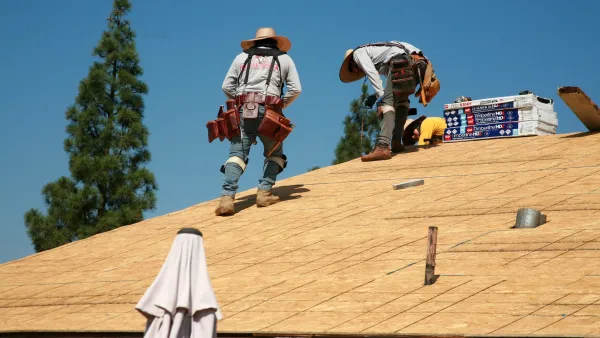
The law reduces impact fees, which developers say drive up the cost of new housing.
Boston's 'sliver lots' could yield over 1,500 affordable homes
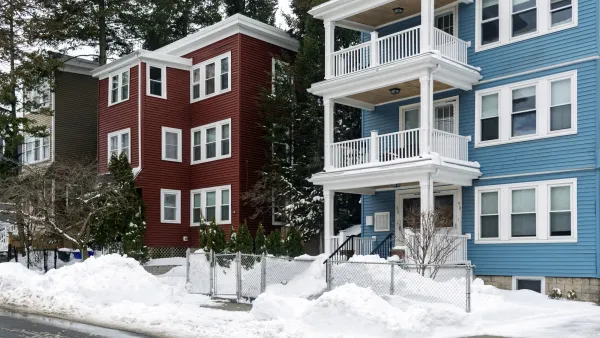
The city has identified over 500 vacant parcels suitable for infill housing.

The state-sanctioned urbicide of Austin
People don’t kill cities. Freeways do.

US to reduce Colorado River water deliveries to Mexico
A new Colorado Treaty amendment reduces Mexico’s Colorado River water allocation by 250,000 acre feet.

New Jersey’s second-largest city bans standalone data centers
Jersey City will continue to allow co-location facilities, such as those meant for research institutions that store their own data.

Amtrak not solely to blame for New Jersey commuter rail's unreliability, report finds
A new study from the Garden State Initiative found that NJ Transit’s budget grew 20% across a 4 year period, but reliability declined significantly over the same period.

EPA erases limits on planet-warming pollution from power plants
Under Monday’s plan, power plants would still have some limits on how much mercury, arsenic and other contaminants they can emit.

Phoenix announces new on-demand transit service, more frequent RAPID buses
Both new services will launch in October, and are part of Phoenix's Project Effective Access Solutions for Easing Congestion.

FREE Course: Walkable City 1: Why Walkability?
After describing his path towards focusing on walkability as the essence of good planning, Jeff Speck marches through his five principal reasons for making more walkable places.
Reinventing Malls: Planning Alchemy—Turning Gray Fields Into Gold
The course focuses on the opportunities and imperatives that shape reinvention of mall sites.

Eagle County Government
Harvard University Graduate School of Design
Nashville Planning Department
The Architects Foundation
University of Cincinnati Online
The Pocatello Development Authority
The Urban Renewal Agency of the City of Pocatello
Journal of the American Planning Association