A city committee advanced the plan to target areas already open to multifamily development for additional density and encourage passive house and mass timber construction.


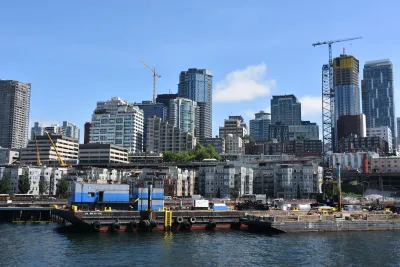
The Seattle City Council's Land Use Committee voted to advance an upzoning initiative that promotes additional density and eco-friendly materials such as mass timber and passive house buildings.
According to an article by Doug Trumm in The Urbanist, "Dubbed the Housing Opportunities Program or HOP, the program would only apply in limited areas where dense mixed-use buildings are already allowed. However, the zoning boost is intended as an extra nudge to get projects to actually materialize in these areas, and provide more housing when they do." The affected areas are in parts of the University District, Fremont, Madison/Miller, Rainier Beach, and Downtown neighborhoods.
The program also kickstarts a state mandate that goes into effect in 2028. "Passed in 2025, House Bill 1183 encourages mass timber, passive house, and modular construction by exempting such projects from upper-level setback and façade modulation requirements, which are generally incompatible with those building methods and the high energy efficiency standards they seek to meet – as urbanist-minded architects have long pointed out."
FULL STORY: Seattle Advances Zoning Package Spurring Towers, Mass Timber, and Passive House

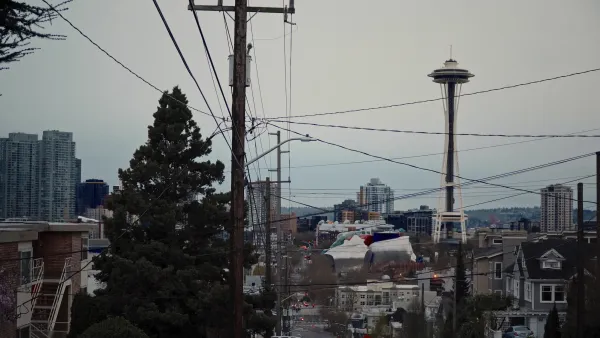
Seattle Density Increase Stymied by Underground Power Line Requirement
A new policy that requires buildings with four or more units to bury their electrical lines is making housing development more costly and causing months-long delays.
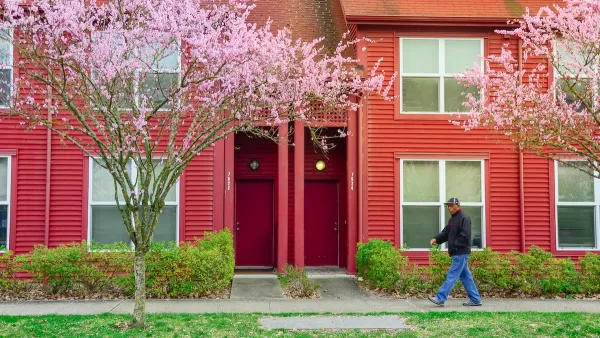
Seattle’s Zoning Reform Could Unlock a ‘Multiplex Boom’
A package of stackable density bonuses could make it easier for developers to build 12-plexes.
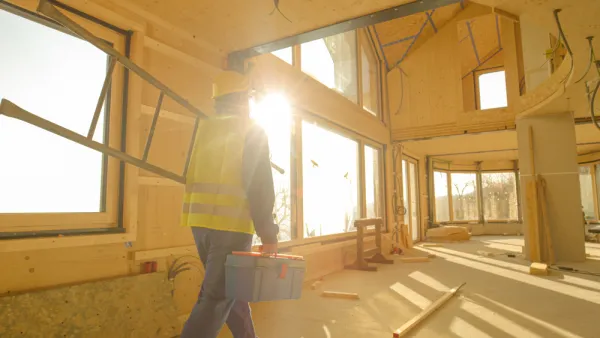
A Bipartisan Case for Mass Timber—Combating Wildfires and Developing Local Economies
What’s good for our forests and planet can also be good for our jobs, communities, and the economy. That’s why we’re writing this together—an ex-Democratic political operative and an ex-Republican staff member who want to see mass timber flourish.

Planetizen Federal Action Tracker
A weekly monitor of how Trump’s orders and actions are impacting planners and planning in America.

The state-sanctioned urbicide of Austin
People don’t kill cities. Freeways do.

US to reduce Colorado River water deliveries to Mexico
A new Colorado Treaty amendment reduces Mexico’s Colorado River water allocation by 250,000 acre feet.

5 New England states march closer to 800 megawatt wind energy project
Securing federal approval for the project may be complicated under the Trump administration, which has historically been hostile towards domestic wind power.

Baltimore to break ground on $50 million Transit Priority Project
The project will bring faster bus trips, safer streets and better bike connections to Baltimore.

Airbnb launches $250 million 'last-dollar financing' housing accelerator, makes first investment in Austin
The company will put $6.4 million towards affordable housing development in Texas’ capital.

FREE Course: Walkable City 1: Why Walkability?
After describing his path towards focusing on walkability as the essence of good planning, Jeff Speck marches through his five principal reasons for making more walkable places.
Reinventing Malls: Planning Alchemy—Turning Gray Fields Into Gold
The course focuses on the opportunities and imperatives that shape reinvention of mall sites.

Eagle County Government
Harvard University Graduate School of Design
Nashville Planning Department
The Architects Foundation
University of Cincinnati Online
The Pocatello Development Authority
The Urban Renewal Agency of the City of Pocatello
Journal of the American Planning Association