The proposal for a 2,100-acre site in Prince William County has been in dispute for years.



Officials in Prince William County, Virginia ended their support of a proposal to build a massive data center next to the Manassas National Battlefield Park, a Civil War site.
As Jon Banister explains in Bisnow, the project, which required rezoning, would have built one of the world's largest data center complexes. The 2,100-acre site was slated to contain 34 buildings totaling 22 million square feet.
Groups opposed to the data center sued the county, claiming that it did not follow proper procedure in notifying the public about the proposal. After spending close to $2 million to defend the rezoning, county officials decided to end their campaign to rezone the site. "Tuesday's vote effectively ends the use of county funds to defend the rezoning it had passed, but the developers planning to build on the site could still pursue their own appeal."
According to Banister, "Data center development has already spread rapidly in Prince William County, which is home to more than 1.5 gigawatts of capacity, more than three times the size of the Silicon Valley market."
FULL STORY: Officials End Efforts To Build One Of World's Largest Data Center Clusters

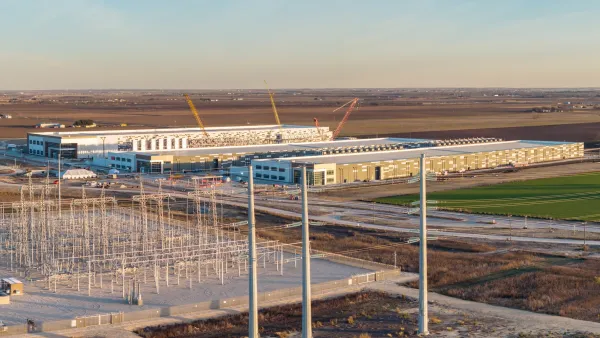
Texas bars data centers from raising utility costs for residents
Gov. Abbott is calling on the state's utility regulator to take steps to reduce energy costs for consumers and ensure data center operators pay for any added costs.
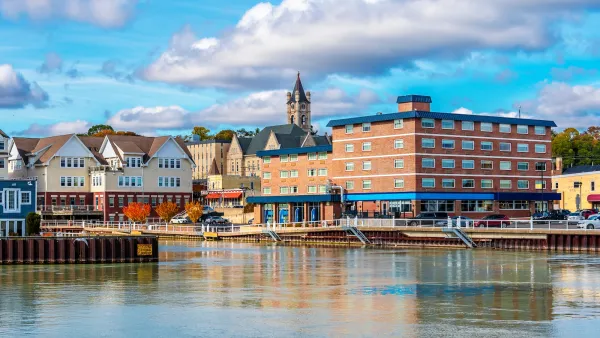
Voters in Wisconsin city pass nation's first data center referendum
The measure requires voter approval for tax incentives to new data centers.
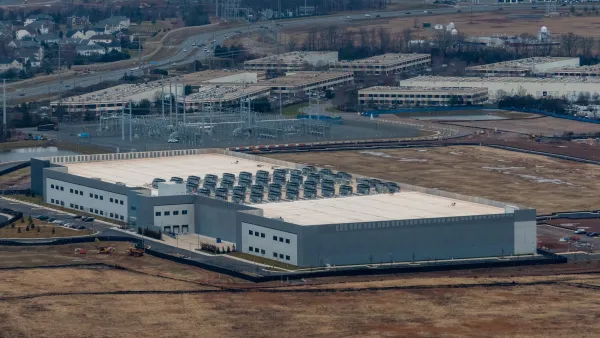
Data center developer offers over $4M per acre to buy out homeowners
Data center builders are outbidding home builders for land, prompting concerns about competition with housing.

The state-sanctioned urbicide of Austin
People don’t kill cities. Freeways do.

US to reduce Colorado River water deliveries to Mexico
A new Colorado Treaty amendment reduces Mexico’s Colorado River water allocation by 250,000 acre feet.

New Jersey’s second-largest city bans standalone data centers
Jersey City will continue to allow co-location facilities, such as those meant for research institutions that store their own data.

Amtrak not solely to blame for New Jersey commuter rail's unreliability, report finds
A new study from the Garden State Initiative found that NJ Transit’s budget grew 20% across a 4 year period, but reliability declined significantly over the same period.

EPA erases limits on planet-warming pollution from power plants
Under Monday’s plan, power plants would still have some limits on how much mercury, arsenic and other contaminants they can emit.

Phoenix announces new on-demand transit service, more frequent RAPID buses
Both new services will launch in October, and are part of Phoenix's Project Effective Access Solutions for Easing Congestion.

FREE Course: Walkable City 1: Why Walkability?
After describing his path towards focusing on walkability as the essence of good planning, Jeff Speck marches through his five principal reasons for making more walkable places.
Reinventing Malls: Planning Alchemy—Turning Gray Fields Into Gold
The course focuses on the opportunities and imperatives that shape reinvention of mall sites.

Eagle County Government
Harvard University Graduate School of Design
Nashville Planning Department
The Architects Foundation
University of Cincinnati Online
The Pocatello Development Authority
The Urban Renewal Agency of the City of Pocatello
Journal of the American Planning Association