Evictions and climate disasters are leading causes of sharp spikes in unhoused populations.



A new study from Johns Hopkins Bloomberg School of Public Health and the University of California, Los Angeles highlights the impact of 'sudden shocks' like climate disasters and evictions on the rate of homelessness.
According to an article by Sanjana Gajbhiye on Earth.com, the researchers looked at how homelessness numbers changed year to year to understand what caused sudden increases. Because acute events like eviction and climate-related housing loss played the biggest roles, the loss of eviction protections put in place during the pandemic could lead to a wave of displacement. The researchers estimate that without eviction moratoriums, the eviction rate — which was around 11% in 2022 — would have reached up to 20%.
Gajbhiye concludes that the study changes how we view the short- and long-term causes of homelessness. "Long-term problems like rent and jobs still matter, but sudden events often cause quick increases."
FULL STORY: Homelessness surged across the U.S. - but not for the reasons you'd expect


Texas Bills Could Push More People Into Homelessness
A proposal to speed up the eviction process and a bill that would accelerate enforcement of an existing camping ban could make the state’s homelessness crisis worse, advocates say.
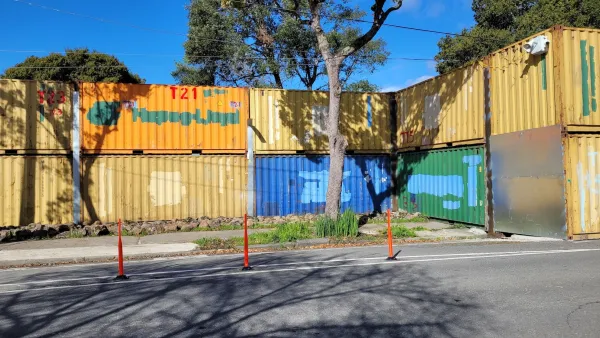
Berkeley promised to build supportive housing in People's Park. Where is it?
More than two years after People's Park was cordoned off, there is no word on a timeline for a promised affordable housing project.

Indiana bans public homelessness
A new law prohibits sleeping or camping on public property.

Planetizen Federal Action Tracker
A weekly monitor of how Trump’s orders and actions are impacting planners and planning in America.

The state-sanctioned urbicide of Austin
People don’t kill cities. Freeways do.

US to reduce Colorado River water deliveries to Mexico
A new Colorado Treaty amendment reduces Mexico’s Colorado River water allocation by 250,000 acre feet.

5 New England states march closer to 800 megawatt wind energy project
Securing federal approval for the project may be complicated under the Trump administration, which has historically been hostile towards domestic wind power.

Baltimore to break ground on $50 million Transit Priority Project
The project will bring faster bus trips, safer streets and better bike connections to Baltimore.

Airbnb launches $250 million 'last-dollar financing' housing accelerator, makes first investment in Austin
The company will put $6.4 million towards affordable housing development in Texas’ capital.

FREE Course: Walkable City 1: Why Walkability?
After describing his path towards focusing on walkability as the essence of good planning, Jeff Speck marches through his five principal reasons for making more walkable places.
Reinventing Malls: Planning Alchemy—Turning Gray Fields Into Gold
The course focuses on the opportunities and imperatives that shape reinvention of mall sites.

Eagle County Government
Harvard University Graduate School of Design
Nashville Planning Department
The Architects Foundation
University of Cincinnati Online
The Pocatello Development Authority
The Urban Renewal Agency of the City of Pocatello
Journal of the American Planning Association