Lime bike and scooter trips rivaled travel on some of the city’s most massive roads and bridges.


Seattle residents took over 57,000 trips on shared Lime bikes and scooters on February 11, the day of the Seahawks Super Bowl victory parade, reports Tom Fucoloro in Seattle Bike Blog. “After adding Bird’s 2,100 rides, the 59,300 total of shared bike and scooter rides was on par with the average daily traffic across the Aurora Bridge.”
According to Fucoloro, “The only pieces of roadway infrastructure in Seattle that carry more than 60,000 trips per day are I-5 (250,000), I-90 (137,000), the West Seattle Bridge (73,000), the Aurora Bridge (61,000), and Mercer Street (61,000).” On that day, shared mobility carried as many people as these massive pieces of transportation infrastructure.
Fucoloro adds that “There’s no comprehensive way to measure how many people rode their personal bikes and scooters to the parade, but the number was far above normal. Fremont Bridge bike and scooter trips were up about 40% over other days the same week.”
The parade day traffic showed how Seattle’s multimodal transportation options can keep the city moving during massive events. “Bike and scooter share is a serious part of Seattle’s transportation system, and it will play a significant role in getting people to and from World Cup events.”

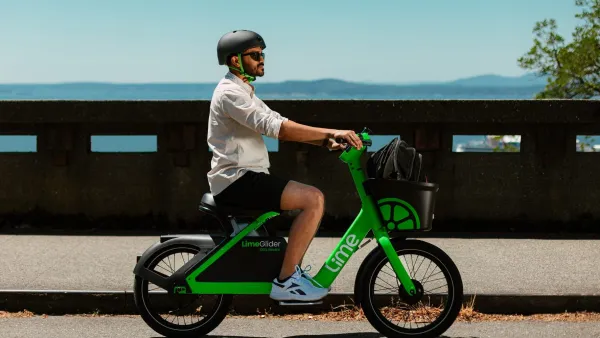
Seattle Lime Bike and Scooter Rides Jumped 61% in 2025 After Introduction of ‘LimeGlider’
Lime added a half-bike, half-scooter hybrid dubbed the LimeGlider to its Seattle fleet in May.
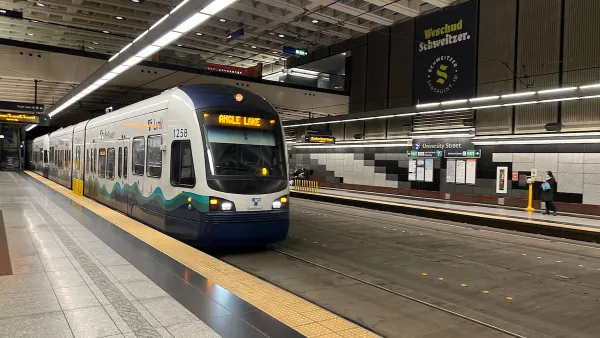
Shared Mobility Riders in Seattle to Get Free Transit Trips
Riders who park Lime bikes or scooters at one of 14 designated Link light rail stations can earn free trips on the region’s transit systems.
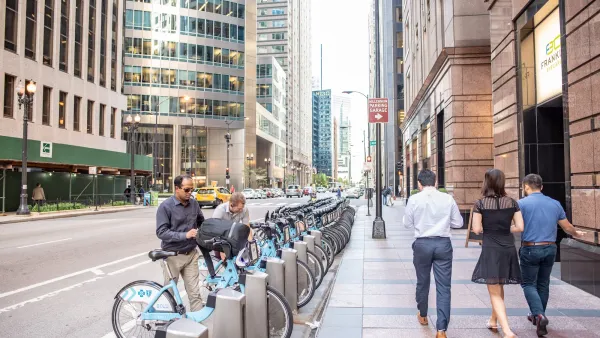
Chicago to Add or Upgrade 200 Bike Share Stations
The Divvy bike share system saw its highest ridership ever in 2025 with 6.8 million trips.

The state-sanctioned urbicide of Austin
People don’t kill cities. Freeways do.

US to reduce Colorado River water deliveries to Mexico
A new Colorado Treaty amendment reduces Mexico’s Colorado River water allocation by 250,000 acre feet.

New Jersey’s second-largest city bans standalone data centers
Jersey City will continue to allow co-location facilities, such as those meant for research institutions that store their own data.

Amtrak not solely to blame for New Jersey commuter rail's unreliability, report finds
A new study from the Garden State Initiative found that NJ Transit’s budget grew 20% across a 4 year period, but reliability declined significantly over the same period.

EPA erases limits on planet-warming pollution from power plants
Under Monday’s plan, power plants would still have some limits on how much mercury, arsenic and other contaminants they can emit.

Phoenix announces new on-demand transit service, more frequent RAPID buses
Both new services will launch in October, and are part of Phoenix's Project Effective Access Solutions for Easing Congestion.

FREE Course: Walkable City 1: Why Walkability?
After describing his path towards focusing on walkability as the essence of good planning, Jeff Speck marches through his five principal reasons for making more walkable places.
Reinventing Malls: Planning Alchemy—Turning Gray Fields Into Gold
The course focuses on the opportunities and imperatives that shape reinvention of mall sites.


Eagle County Government
Harvard University Graduate School of Design
Nashville Planning Department
The Architects Foundation
University of Cincinnati Online
The Pocatello Development Authority
The Urban Renewal Agency of the City of Pocatello
Journal of the American Planning Association