The barrier would run through Big Bend National Park, raising alarms among environmentalists who say it will harm wildlife in the region.


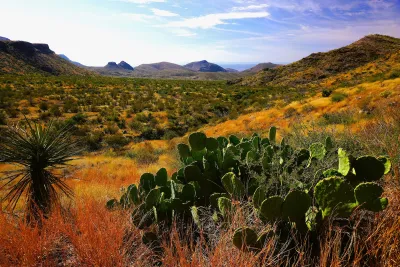
A proposed border wall section in West Texas is drawing criticism from environmentalists and residents in the region, where the U.S. Department of Homeland Security (DHS) has waived 28 environmental, historical, and archaeological regulations to expedite construction of the barrier.
As Martha Pskowski explains in Inside Climate News, a map posted by Customs and Border Protection (CBP) indicates that the agency plans to build a “smart wall” within the boundaries of Big Bend Ranch State Park and Big Bend National Park.
“According to the CBP website, construction for the smart wall can include a steel bollard wall or waterborne barrier, ‘along with roads, detection technology, cameras and lighting and in some cases a secondary wall.’” Environmentalists say wildlife in the region would suffer, while the area already sees some of the lowest unauthorized border crossings due to its remoteness.
Spokespeople for the Texas Parks and Wildlife Department and Big Bend National Park say they have not received any requests or information about border barrier infrastructure within the parks.
FULL STORY: Border Wall Closes in on Big Bend

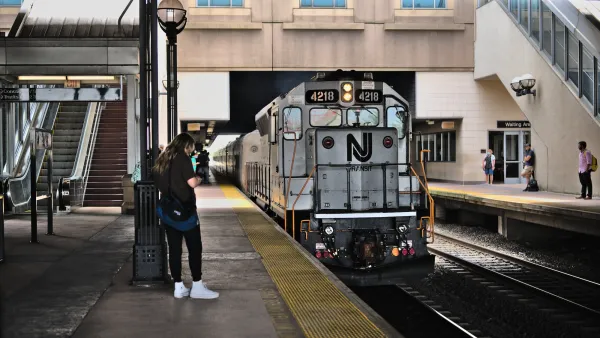
New Jersey AG Says Governor Can’t Bar ICE From Transit
An executive order prohibits ICE from using state-owned property, but the AG says it doesn’t apply to public spaces like train stations.
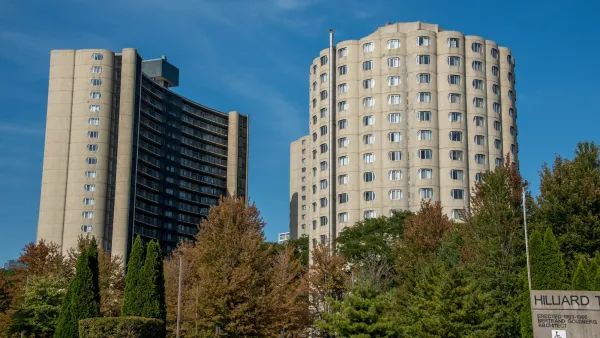
HUD Threatens Sanctions for Housing Authorities That Don’t Verify Resident Immigration Status
The Trump administration continues its crackdown on undocumented immigrants, claiming it is “rooting out abuse of taxpayer-funded resources.”
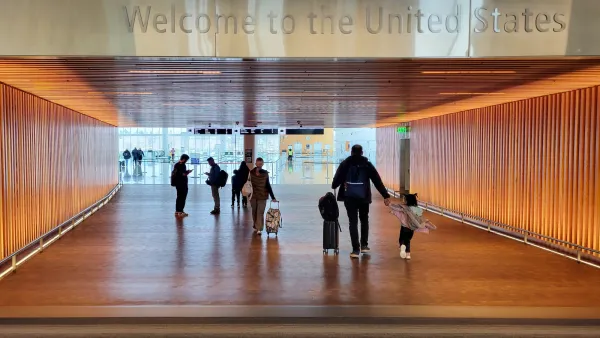
Adult Immigration to the US Dropped by Over 1.4M in 2025
Mass deportations and stricter immigration restrictions are causing a drop in new immigrants.

Planetizen Federal Action Tracker
A weekly monitor of how Trump’s orders and actions are impacting planners and planning in America.

The state-sanctioned urbicide of Austin
People don’t kill cities. Freeways do.

US to reduce Colorado River water deliveries to Mexico
A new Colorado Treaty amendment reduces Mexico’s Colorado River water allocation by 250,000 acre feet.

Airbnb launches $250 million 'last-dollar financing' housing accelerator, makes first investment in Austin
The company will put $6.4 million towards affordable housing development in Texas’ capital.

Guerilla urbanists are building DIY bus stop benches in Chicago
A before-and-after of one of the bus stops with a new bench. The new benches are not officially sanctioned or permitted, but the residents who placed them hope they will be the start of a network of DIY benches across the city.

Mamdani overhauls NYC's Vision Zero plan with 100 new policy goals
The overhaul aims to reduce traffic deaths and make streets safer for pedestrians, cyclists and drivers through lower speed limits, new safety infrastructure and more.

FREE Course: Walkable City 1: Why Walkability?
After describing his path towards focusing on walkability as the essence of good planning, Jeff Speck marches through his five principal reasons for making more walkable places.
Reinventing Malls: Planning Alchemy—Turning Gray Fields Into Gold
The course focuses on the opportunities and imperatives that shape reinvention of mall sites.

Eagle County Government
Harvard University Graduate School of Design
Nashville Planning Department
The Architects Foundation
University of Cincinnati Online
The Pocatello Development Authority
The Urban Renewal Agency of the City of Pocatello
Journal of the American Planning Association