The city’s Alternative Enforcement Program prioritizes buildings with the most unaddressed code violations, allowing the city to make repairs where needed.


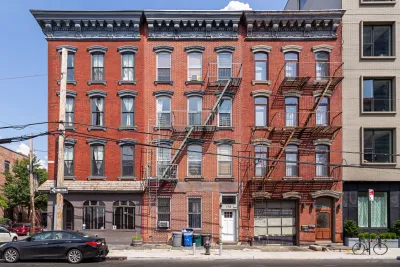
New York City announced a list of the city’s 250 most distressed housing buildings, which puts them under heightened oversight through the city’s Alternative Enforcement Program (AEP).
According to a press release from the city, the program allows it to closely monitor buildings with repeat code violations, issue Orders to Correct, and step in directly to make repairs when owners fail to do so. “The 250 buildings selected this year account for nearly 55,000 open violations and owe the city nearly $4.5 million for emergency repairs already performed.”
The press release adds, “The 250 buildings selected for this year’s AEP list include 7,038 homes and account for 54,909 open housing code violations, reflecting widespread and persistent disrepair.”
The AEP identifies buildings with the most serious, unresolved violations and allows the city to complete emergency repairs if needed.
FULL STORY: Mamdani Administration Announces Stricter Enforcement for City’s 250 Most Distressed Apartment Buildings


NYC Council Passes ‘Proactive’ Building Safety Bill
In the wake of multiple building collapses in recent years, the bill seeks to identify dangerous building conditions before they escalate.

Chicago Looks to Boulder Landlord Registry as a Model for Tenant Protections
Unlike the Colorado city, where code violations in rental housing are quickly identified and fixed, Chicago lacks a robust system of inspection and enforcement.
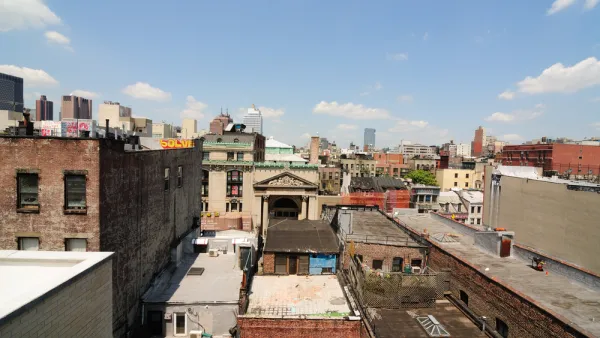
Landlords Owe NYC $1.5 Billion for Building Code Violations
Violations of the building code go unenforced in New York City.

The state-sanctioned urbicide of Austin
People don’t kill cities. Freeways do.

US to reduce Colorado River water deliveries to Mexico
A new Colorado Treaty amendment reduces Mexico’s Colorado River water allocation by 250,000 acre feet.

New Jersey’s second-largest city bans standalone data centers
Jersey City will continue to allow co-location facilities, such as those meant for research institutions that store their own data.

Amtrak not solely to blame for New Jersey commuter rail's unreliability, report finds
A new study from the Garden State Initiative found that NJ Transit’s budget grew 20% across a 4 year period, but reliability declined significantly over the same period.

EPA erases limits on planet-warming pollution from power plants
Under Monday’s plan, power plants would still have some limits on how much mercury, arsenic and other contaminants they can emit.

Phoenix announces new on-demand transit service, more frequent RAPID buses
Both new services will launch in October, and are part of Phoenix's Project Effective Access Solutions for Easing Congestion.

FREE Course: Walkable City 1: Why Walkability?
After describing his path towards focusing on walkability as the essence of good planning, Jeff Speck marches through his five principal reasons for making more walkable places.
Reinventing Malls: Planning Alchemy—Turning Gray Fields Into Gold
The course focuses on the opportunities and imperatives that shape reinvention of mall sites.

Eagle County Government
Harvard University Graduate School of Design
Nashville Planning Department
The Architects Foundation
University of Cincinnati Online
The Pocatello Development Authority
The Urban Renewal Agency of the City of Pocatello
Journal of the American Planning Association