President Trump supports Japanese ‘kei’ cars, but experts say for them to catch on, we need to make major changes in our roadways and transportation infrastructure.


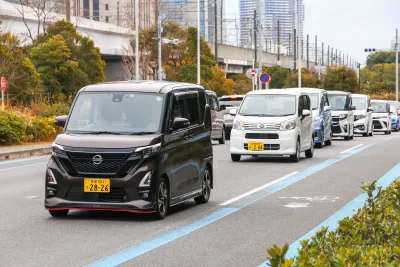
Automakers like Fiat are betting that Americans are ready for the tiny cars that even President Trump has called “really cute,” writes Adele Peters in Fast Company.
But as Peters and others point out, U.S. regulations prevent the large-scale import of what are known as kei cars and trucks. “Right now, the U.S. only allows the Japanese vehicles to be imported when they’re at least 25 years old, under regulations aimed at classic cars. But despite the restrictions, kei trucks are the largest class of vehicles being individually imported to the U.S., with around 7,500 arriving last year.”
Newer kei cars can haul heavier loads, drive faster, and have more safety features. However, many still don’t have airbags or other safety features required in U.S. vehicles. A piece by Kea Wilson in Streetsblog USA points out that even if the Department of Transportation reduced regulatory barriers to importing kei cars, “the kei car revolution is still unlikely to hit U.S. roads anytime soon. And that's largely because of size of those (large) roads themselves, and the gargantuan cars that would likely remain on them even if every automaker in America embraced the whiplash and started pumping out Matchbox cars for the common man.”
Ultimately, Wilson notes, making kei cars competitive in the U.S. would require a reimagining of our roads and infrastructure, as well as changes in the size and design of other cars on the road. “And if we did that, we'd see even tinier, cuter mobility options start to emerge — like the bike, the scooter, and the humble sidewalk.”
FULL STORY: Trump wants tiny cars in America. Do drivers?

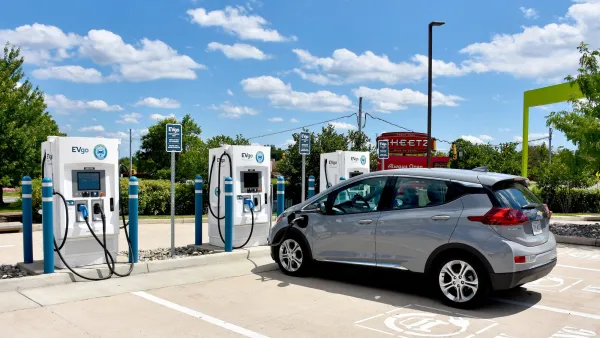
The Federal EV Tax Credit is Gone — But No One Told Google AI
Despite getting other details about the now-defunct program right, Google’s AI search summary continues to tell users they can receive a $7,500 federal tax credit for buying an EV.
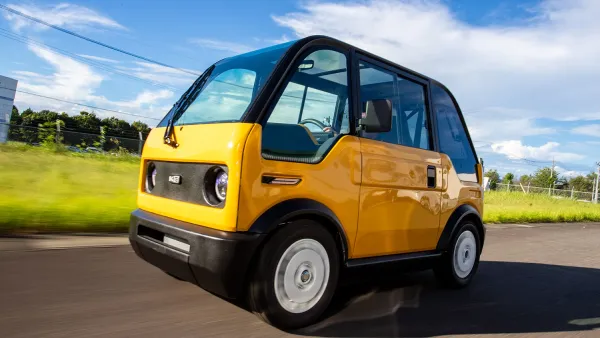
The Tiny, Adorable $7,000 Car Turning Japan Onto EVs
The single seat Mibot charges from a regular plug as quickly as an iPad, and is about half the price of an average EV.
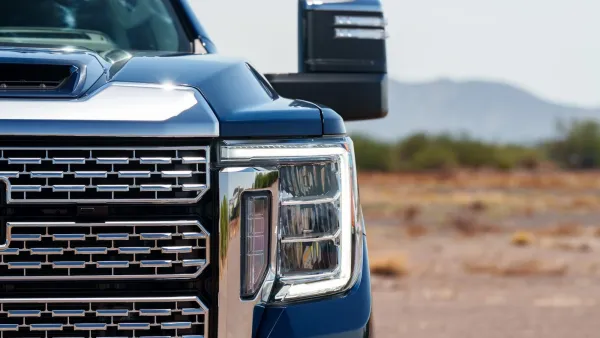
Analysis: Bigger cars are responsible for 10% of increase in pedestrian deaths
The New York Times offers a visual explanation of how larger vehicles make US roads more dangerous.

The state-sanctioned urbicide of Austin
People don’t kill cities. Freeways do.

US to reduce Colorado River water deliveries to Mexico
A new Colorado Treaty amendment reduces Mexico’s Colorado River water allocation by 250,000 acre feet.

New Jersey’s second-largest city bans standalone data centers
Jersey City will continue to allow co-location facilities, such as those meant for research institutions that store their own data.

Amtrak not solely to blame for New Jersey commuter rail's unreliability, report finds
A new study from the Garden State Initiative found that NJ Transit’s budget grew 20% across a 4 year period, but reliability declined significantly over the same period.

EPA erases limits on planet-warming pollution from power plants
Under Monday’s plan, power plants would still have some limits on how much mercury, arsenic and other contaminants they can emit.

Phoenix announces new on-demand transit service, more frequent RAPID buses
Both new services will launch in October, and are part of Phoenix's Project Effective Access Solutions for Easing Congestion.

FREE Course: Walkable City 1: Why Walkability?
After describing his path towards focusing on walkability as the essence of good planning, Jeff Speck marches through his five principal reasons for making more walkable places.
Reinventing Malls: Planning Alchemy—Turning Gray Fields Into Gold
The course focuses on the opportunities and imperatives that shape reinvention of mall sites.

Eagle County Government
Harvard University Graduate School of Design
Nashville Planning Department
The Architects Foundation
University of Cincinnati Online
The Pocatello Development Authority
The Urban Renewal Agency of the City of Pocatello
Journal of the American Planning Association