A new ordinance alters regulations for middle housing zones, removing barriers that made multifamily development impractical or too expensive.



The Salt Lake City Council approved zoning code changes that will make it easier to build multifamily housing in middle housing zones that were created in 1995, reports Jacob Scholl in Building Salt Lake.
According to Scholl, “The two zones are considered a vehicle for creating mid-density, missing middle residential housing, though technical issues have largely prevented development within the zone.” The new ordinance reduced minimum lot size, eliminates lot width minimums, and reduces the number of required parking spots to one spot per unit.
“Tuesday’s zoning code changes are the latest that have been approved by the City Council, as they approved an overhaul of the city’s mixed-use zoning code earlier this year. In just this year alone, the council has discussed industrial land use changes near residential areas, as well as changes to its single-family zoning code.”
FULL STORY: Salt Lake City Council approves changes to missing middle zones

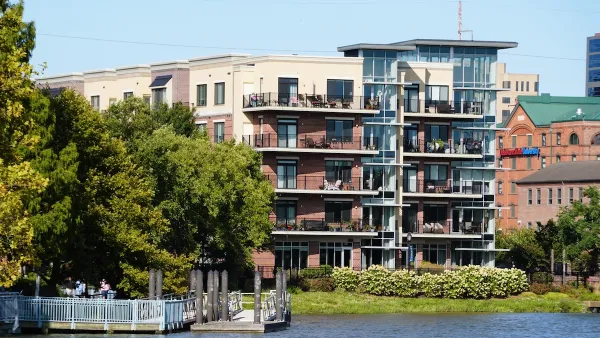
Delaware Governor Could Force Cities to Upzone
Gov. Meyer says the state will work with cities to encourage land use reforms that make room for more affordable housing types, but could take stricter measures if jurisdictions don’t comply.
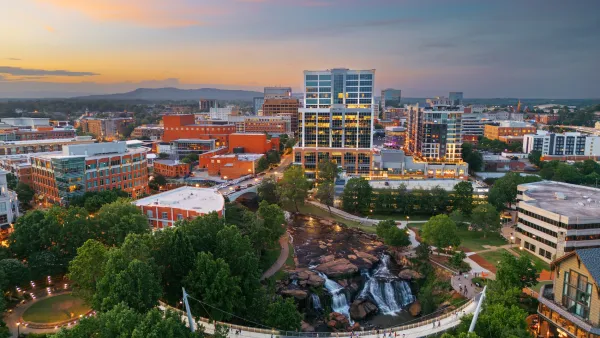
Greenville, SC pushes for missing middle housing
The city recently overhauled its zoning rules to permit more 'low-intensity' housing options.
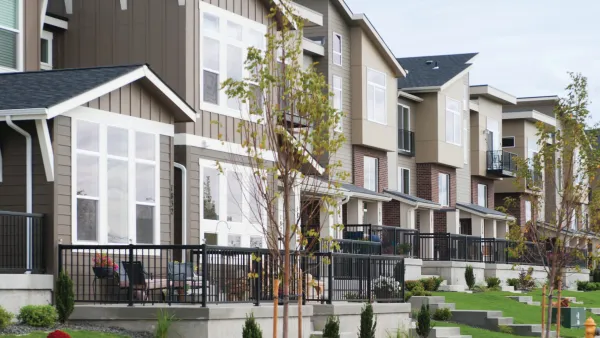
'Missing middle housing' accounted for nearly 20% of Spokane permits in 2025
Recent laws making it easier and less costly to build smaller residential buildings are having their intended effect.

The state-sanctioned urbicide of Austin
People don’t kill cities. Freeways do.

US to reduce Colorado River water deliveries to Mexico
A new Colorado Treaty amendment reduces Mexico’s Colorado River water allocation by 250,000 acre feet.

New Jersey’s second-largest city bans standalone data centers
Jersey City will continue to allow co-location facilities, such as those meant for research institutions that store their own data.

Amtrak not solely to blame for New Jersey commuter rail's unreliability, report finds
A new study from the Garden State Initiative found that NJ Transit’s budget grew 20% across a 4 year period, but reliability declined significantly over the same period.

EPA erases limits on planet-warming pollution from power plants
Under Monday’s plan, power plants would still have some limits on how much mercury, arsenic and other contaminants they can emit.

Phoenix announces new on-demand transit service, more frequent RAPID buses
Both new services will launch in October, and are part of Phoenix's Project Effective Access Solutions for Easing Congestion.

FREE Course: Walkable City 1: Why Walkability?
After describing his path towards focusing on walkability as the essence of good planning, Jeff Speck marches through his five principal reasons for making more walkable places.
Reinventing Malls: Planning Alchemy—Turning Gray Fields Into Gold
The course focuses on the opportunities and imperatives that shape reinvention of mall sites.

Eagle County Government
Harvard University Graduate School of Design
Nashville Planning Department
The Architects Foundation
University of Cincinnati Online
The Pocatello Development Authority
The Urban Renewal Agency of the City of Pocatello
Journal of the American Planning Association