A new $20 billion fund will shore up the state’s water infrastructure.


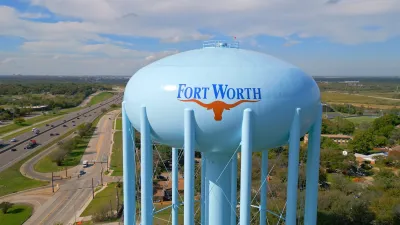
Texas voters approved a constitutional amendment that will devote $1 billion per year to a new Texas Water Fund to ensure the state proactively manages its water supply before it faces major predicted shortages.
As Madeline de Figueiredo explains in The Daily Yonder, the plan aims to prevent water shortages predicted by the Texas Water Development Board that could cripple every region of the state in the next decades. “By 2070, these water shortages are estimated to create $153 billion in economic damages with significant irrigation needs remaining unmet due to depleted aquifers.” By updating its infrastructure, Texas could save an estimated 186 billion gallons of water that are currently lost to leaks each year.
The new amendment is meant to help smaller communities that have a hard time competing for funds for upgraded water infrastructure. However, “As water availability dwindles across the state, some rural residents worried that this infrastructure initiative could worsen their water situation if it supported groundwater pipelines that drew water from rural areas to transport to cities.” State officials say the fund is prohibited from transporting fresh groundwater and is designed for projects like aquifer storage and recovery.
Read the full story: Texas Voters Approve Billions for the State’s Water Future


A 1920s Poughkeepsie cistern sees new life as art venue
For decades, it secured the city's water supply. Now, it could become its hottest new performance venue.
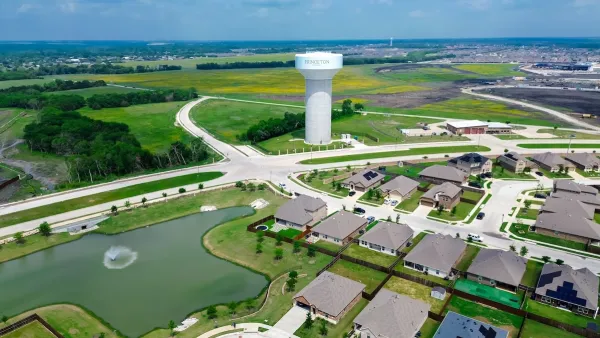
A 'Grim Diagnosis': Houston's Suburbs are Running out of Water
Rapidly growing cities are struggling to build out water infrastructure to meet the needs of new residents.
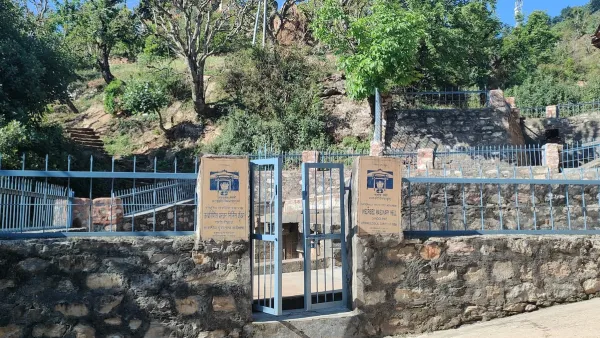
Restoring Northern India’s Himalayan ‘Water Temples’
Thousands of centuries-old buildings protect the region’s natural springs and serve as community wells and gathering places.

Planetizen Federal Action Tracker
A weekly monitor of how Trump’s orders and actions are impacting planners and planning in America.

California plans to bury El Niño’s downpour
If the state plays its cards right, it may be able to store a billion acre-feet of El Niño’s water in aquifers.

Desperate measures: Advocates weigh draining Lake Powell to fill Colorado River
Draining the reservoir could reduce evaporation losses by a couple hundred thousand acre-feet.

Chicago Avenue bridge construction delays enrages city leaders
The bridge has been closed since 2025. The city originally aimed to re-open it in December, and now expects to finish construction in 2027.

NYC bus network redesign speeds up Queens buses
Rush routes have seen a 4.6% speed increase after the redesign.

California High-Speed Rail Authority picks trainset manufacturer
The California High-Speed Rail Authority aims to start servicing passengers by 2033.

FREE Course: Walkable City 1: Why Walkability?
After describing his path towards focusing on walkability as the essence of good planning, Jeff Speck marches through his five principal reasons for making more walkable places.
Reinventing Malls: Planning Alchemy—Turning Gray Fields Into Gold
The course focuses on the opportunities and imperatives that shape reinvention of mall sites.

City of Rosemead
Rutgers University, Edward J. Bloustein School of Planning and Public Policy
One Hundred Miles
Hunter College, City University of New York (CUNY)
The Architects Foundation
University of Cincinnati Online
City of Cambridge
Montrose County
The Pocatello Development Authority