Nine states charged company Greystar with artificially driving up rent costs through data sharing and rent-setting algorithms.



A group of nine states reached a $7 million settlement with apartment management company Greystar, who the lawsuit charged drive up rental prices using shared rent-setting algorithms. As Leslie Shaver explains in Smart Cities Dive, “The lawsuit alleged that the companies used RealPage’s algorithmic pricing software to share confidential information about rental rates and occupancy. This illegal coordination enabled companies to unfairly set rents in lockstep rather than setting prices independently, as competition laws require, according to the plaintiffs.”
If the settlement is approved by a court, Greystar will pay the states the $7 million and agree to strict new limits on the use of its software. The company will be barred from licensing or using revenue management products that use external non-public data to generate rental pricing, using “ any commercially available revenue management system that incorporates a rental price floor or a limit on rental price recommendation decreases,” and disclosing non-public data to other property managers.
The suit was brought on behalf of California, Colorado, Connecticut, Illinois, Massachusetts, Minnesota, North Carolina, Oregon, and Tennessee.
FULL STORY: 9 states reach $7M settlement with Greystar in rent-setting lawsuit


Jersey City Latest to Ban Rent-Setting Algorithm
Officials say the software offered by RealPage ‘magnifies’ the potential for price gouging.

New Jersey Lawsuit Targets Rent-Setting Algorithms
The state of New Jersey is taking legal action against landlords and companies that engage in what the state’s Attorney General alleges is illegal rent fixing.
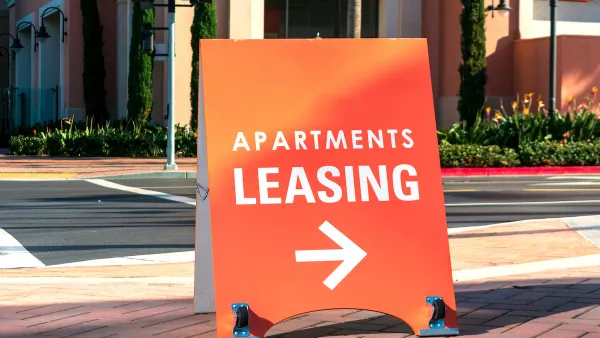
Legislators Push Back Against ‘Rent-Setting’ Software
In the last six months, lawmakers in more than two dozen cities and states have made strides to stop landlords from using anti-competitive rental software to determine how much to charge for rent. Shelterforce looks at the wins and losses so far.

The state-sanctioned urbicide of Austin
People don’t kill cities. Freeways do.

US to reduce Colorado River water deliveries to Mexico
A new Colorado Treaty amendment reduces Mexico’s Colorado River water allocation by 250,000 acre feet.

New Jersey’s second-largest city bans standalone data centers
Jersey City will continue to allow co-location facilities, such as those meant for research institutions that store their own data.

Amtrak not solely to blame for New Jersey commuter rail's unreliability, report finds
A new study from the Garden State Initiative found that NJ Transit’s budget grew 20% across a 4 year period, but reliability declined significantly over the same period.

EPA erases limits on planet-warming pollution from power plants
Under Monday’s plan, power plants would still have some limits on how much mercury, arsenic and other contaminants they can emit.

Phoenix announces new on-demand transit service, more frequent RAPID buses
Both new services will launch in October, and are part of Phoenix's Project Effective Access Solutions for Easing Congestion.

FREE Course: Walkable City 1: Why Walkability?
After describing his path towards focusing on walkability as the essence of good planning, Jeff Speck marches through his five principal reasons for making more walkable places.
Reinventing Malls: Planning Alchemy—Turning Gray Fields Into Gold
The course focuses on the opportunities and imperatives that shape reinvention of mall sites.

Eagle County Government
Harvard University Graduate School of Design
Nashville Planning Department
The Architects Foundation
University of Cincinnati Online
The Pocatello Development Authority
The Urban Renewal Agency of the City of Pocatello
Journal of the American Planning Association