In the last six months, lawmakers in more than two dozen cities and states have made strides to stop landlords from using anti-competitive rental software to determine how much to charge for rent. Shelterforce looks at the wins and losses so far.


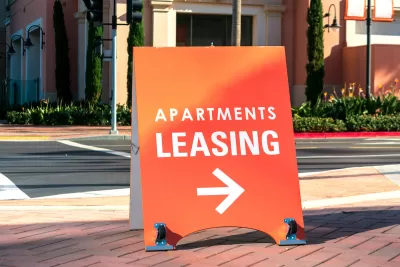
In the past six months, legislators in more than 30 cities and states have proposed or passed laws targeting algorithmic rent-setting software, arguing that it facilitates price-fixing and artificially inflates housing costs. Cities like Seattle, Berkeley, Minneapolis, and Jersey City have already passed laws to curb their use, while states like Colorado have come close. At the federal level, the DOJ is still pursuing its civil antitrust suit against RealPage, a major player in rent-setting software, accusing it of replacing competition with coordination.
Despite industry pushback and lawsuits from companies like RealPage, cities and tenant advocates are pressing forward with legislation, steep penalties, and public support. Meanwhile, federal legislation remains stalled, but momentum is building as renters and lawmakers alike demand transparency, affordability, and fairness in the housing market.
Read the full story: Legislators Push Back Against ‘Rent-Setting’ Software

Settlement in Multi-state Lawsuit Will Impose Strict New Limits on Rent-setting Algorithms
Nine states charged company Greystar with artificially driving up rent costs through data sharing and rent-setting algorithms.

Landlords Fined for First Time Under WA’s New Law Capping Rent Increases
For the first time, Washington’s attorney general has enforced the state’s new cap on rent hikes, fining eight landlords $2,000 each for violating the law.

Jersey City Latest to Ban Rent-Setting Algorithm
Officials say the software offered by RealPage ‘magnifies’ the potential for price gouging.

Planetizen Federal Action Tracker
A weekly monitor of how Trump’s orders and actions are impacting planners and planning in America.

Eastern Nebraska is running out of electricity
Data centers and electrification are straining eastern Nebraska’s grid, throttling economic development.

Move over, LA: St. Louis gears up for Olympics, invests millions in downtown redevelopment
The Missouri city will host the 2028 Olympic soccer group stage and knockout matches.

Dallas releases zoning code overhaul to officials
The drafted overhaul is over 400 pages long.

NYC renovations for dangerous, ‘mercilessly crammed’ street delayed until 2027
Construction was supposed to begin this fall.

San Diego’s Midway Rising project gets greenlight from city council
The project looks to become the largest affordable housing development in California's history.

FREE Course: Walkable City 1: Why Walkability?
After describing his path towards focusing on walkability as the essence of good planning, Jeff Speck marches through his five principal reasons for making more walkable places.
Reinventing Malls: Planning Alchemy—Turning Gray Fields Into Gold
The course focuses on the opportunities and imperatives that shape reinvention of mall sites.

City of Rosemead
Rutgers University, Edward J. Bloustein School of Planning and Public Policy
One Hundred Miles
University of Michigan School for Environment and Sustainability (SEAS)
Hunter College, City University of New York (CUNY)
The Architects Foundation
City of Cambridge
The Pocatello Development Authority
The Urban Renewal Agency of the City of Pocatello