Voters approves multiple housing measures that streamline development permitting and shift approval to the City Planning Commission.



New York City voters approved a raft of housing measures that streamline permitting and eliminate the “unofficial veto” that individual city council members had over housing projects in their districts, reports Mihir Zaveri for The New York Times.
“The proposals’ supporters said the council members’ veto makes the development process too unpredictable, and holds back construction,” Zaveri explains. Voters seemed to agree, voting for the measure that shifts approval authority for affordable housing projects from City Council to the City Planning Commission at a time when affordability is at its lowest point in decades and the rental vacancy rate in the city is just 1.4 percent.
A second measure makes it easier to build “modest” developments up to 30 percent bigger than current regulations allow, and a third “creates an appeals board that could overrule a decision by the Council to reject or modify an affordable housing development.” The board will be made up of the mayor, the Council speaker, and the president of the borough where a development is proposed.
FULL STORY: New York City Voters Pass Contentious Housing Ballot Measures

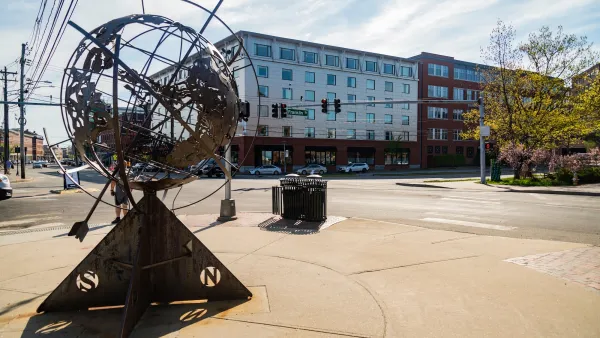
New Maine Database Will Track Housing Growth
A new state law requires municipalities to submit records comparing housing permits and completed units for each year since 2010.

NYC Council Approves Brooklyn Rezoning Plan
The Atlantic Avenue Mixed Use Plan includes infrastructure investments and could bring 4,600 new housing units to parts of Brooklyn.

Lawsuit Aims to Stop NYC’s ‘City of Yes’ Zoning Reforms
A lawsuit brought by local lawmakers and community groups claims the plan failed to conduct a comprehensive environmental review.

Planetizen Federal Action Tracker
A weekly monitor of how Trump’s orders and actions are impacting planners and planning in America.

The state-sanctioned urbicide of Austin
People don’t kill cities. Freeways do.

US to reduce Colorado River water deliveries to Mexico
A new Colorado Treaty amendment reduces Mexico’s Colorado River water allocation by 250,000 acre feet.

5 New England states march closer to 800 megawatt wind energy project
Securing federal approval for the project may be complicated under the Trump administration, which has historically been hostile towards domestic wind power.

Baltimore to break ground on $50 million Transit Priority Project
The project will bring faster bus trips, safer streets and better bike connections to Baltimore.

Airbnb launches $250 million 'last-dollar financing' housing accelerator, makes first investment in Austin
The company will put $6.4 million towards affordable housing development in Texas’ capital.

FREE Course: Walkable City 1: Why Walkability?
After describing his path towards focusing on walkability as the essence of good planning, Jeff Speck marches through his five principal reasons for making more walkable places.
Reinventing Malls: Planning Alchemy—Turning Gray Fields Into Gold
The course focuses on the opportunities and imperatives that shape reinvention of mall sites.

Eagle County Government
Harvard University Graduate School of Design
Nashville Planning Department
The Architects Foundation
University of Cincinnati Online
The Pocatello Development Authority
The Urban Renewal Agency of the City of Pocatello
Journal of the American Planning Association