A temporary window of flexible funds in the early 2020s allowed many queer- and trans-led organizations to achieve long-held dreams of owning their own buildings and housing their members.


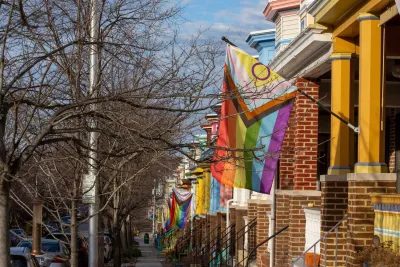
A growing number of queer- and trans-led organizations are turning the temporary surge of flexible funding from 2020 into something lasting—ownership. From New York to Arkansas to California, groups like GLITS Inc., the TransLatin@ Coalition, Intransitive, and South Tower CLT are buying their own buildings, creating community centers, and housing members in spaces that reflect their dignity and safety.
Owning property means protection from eviction, discrimination, and instability, especially in areas with weak renter protections or where bias against LGBTQ+ people persists. As one organizer said, “Whenever you own something, it’s easier to protect it.”
The article highlights how ownership strengthens resilience and belonging for communities historically denied secure housing and organizational control—and why continued access to flexible, non-extractive capital is vital to sustain these gains.
FULL STORY: A Space of Our Own: LGBTQ Organizations Move to Ownership

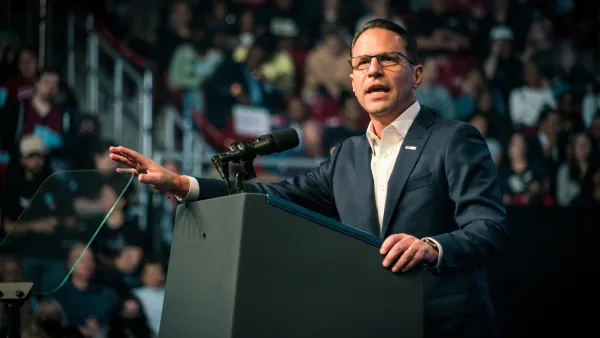
Pennsylvania Housing Action Plan Calls for $1B Fund, Expanded Renter Protections, Homebuyer Assistance
Gov. Shapiro’s proposed plan would bolster support for renters and homebuyers and reduce barriers to housing development.
White House Announces Policies Aimed at Protecting Renters
The administration acknowledges its limited powers in solving the nation’s housing affordability crisis, but says new actions will examine unfair rental practices and recommend policies to state and local governments.
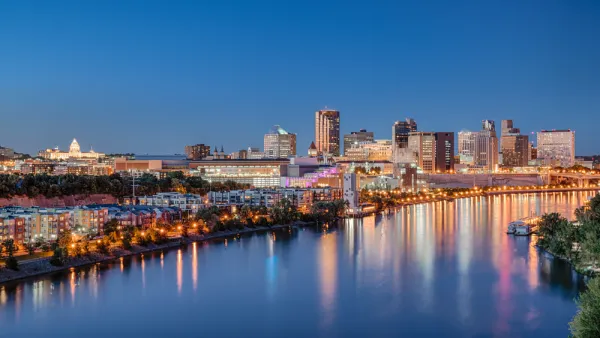
St. Paul Revises Rent Stabilization Ordinance
The city is pulling back on some provisions in the rent stabilization ordinance passed by voters last fall.

Planetizen Federal Action Tracker
A weekly monitor of how Trump’s orders and actions are impacting planners and planning in America.

The state-sanctioned urbicide of Austin
People don’t kill cities. Freeways do.

US to reduce Colorado River water deliveries to Mexico
A new Colorado Treaty amendment reduces Mexico’s Colorado River water allocation by 250,000 acre feet.

Baltimore to break ground on $50 million Transit Priority Project
The project will bring faster bus trips, safer streets and better bike connections to Baltimore.

Airbnb launches $250 million 'last-dollar financing' housing accelerator, makes first investment in Austin
The company will put $6.4 million towards affordable housing development in Texas’ capital.

Guerilla urbanists are building DIY bus stop benches in Chicago
A before-and-after of one of the bus stops with a new bench. The new benches are not officially sanctioned or permitted, but the residents who placed them hope they will be the start of a network of DIY benches across the city.

FREE Course: Walkable City 1: Why Walkability?
After describing his path towards focusing on walkability as the essence of good planning, Jeff Speck marches through his five principal reasons for making more walkable places.
Reinventing Malls: Planning Alchemy—Turning Gray Fields Into Gold
The course focuses on the opportunities and imperatives that shape reinvention of mall sites.

Eagle County Government
Harvard University Graduate School of Design
Nashville Planning Department
The Architects Foundation
University of Cincinnati Online
The Pocatello Development Authority
The Urban Renewal Agency of the City of Pocatello
Journal of the American Planning Association