A new rezoning plan raises height limits in some areas for buildings that are mostly residential.



The Boston Zoning Commission approved a rezoning proposal to allow building up to 700 feet tall in some parts of downtown and increases some height limits.
According to an article by Nik DeCosta-Klipa for WBUR, “It requires towers that take advantage of the new height limits in Downtown Crossing to be mostly residential. And it repeals land-use restrictions, making it easier to build housing and open businesses like cafes, bakeries and gyms across downtown.”
The new rule won’t apply to most downtown buildings because of state shadow regulations and FAA rules related to flight paths to Logan Airport, DeCosta-Klipa explains. Zoning commission chair Michael Nichols said in an interview with Boston Magazine that there are only four to six sites where a new 700-foot tower could “realistically” be built.
Mayor Michelle Wu, who is expected to sign the plan, said it will provide predictability by “prioritizing housing in a different way ... but it also ensures that there are protections for the historic buildings that make up a large part of this downtown area.”
FULL STORY: Boston's downtown zoning overhaul passes its last big hurdle

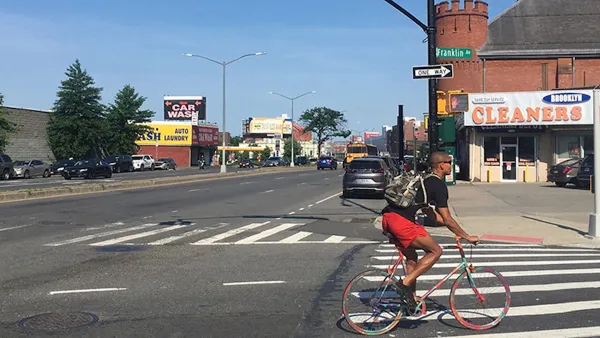
NYC Rezoning Plans Could Create Thousands of New Housing Units
Zoning changes in Brooklyn, the Bronx, and Midtown Manhattan would allow residential construction in areas previously zoned for light manufacturing.

Pennsylvania Housing Action Plan Calls for $1B Fund, Expanded Renter Protections, Homebuyer Assistance
Gov. Shapiro’s proposed plan would bolster support for renters and homebuyers and reduce barriers to housing development.
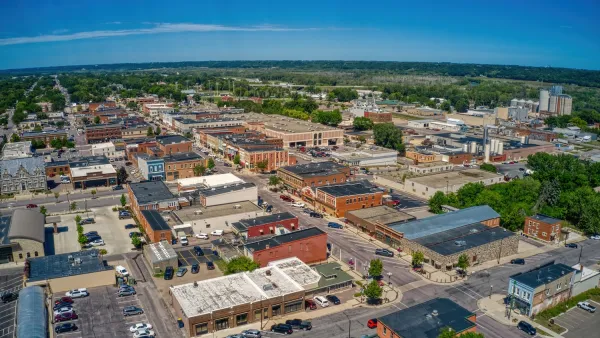
Instead of Restricting Development, One Minnesota City Just Approved Flurry of ‘Experimental’ Housing Types
New Ulm leaders are approving multiple projects including tiny homes, apartments, and ‘shed homes’ using Planned Unit Developments to move projects forward faster.

Planetizen Federal Action Tracker
A weekly monitor of how Trump’s orders and actions are impacting planners and planning in America.

The state-sanctioned urbicide of Austin
People don’t kill cities. Freeways do.

US to reduce Colorado River water deliveries to Mexico
A new Colorado Treaty amendment reduces Mexico’s Colorado River water allocation by 250,000 acre feet.

5 New England states march closer to 800 megawatt wind energy project
Securing federal approval for the project may be complicated under the Trump administration, which has historically been hostile towards domestic wind power.

Baltimore to break ground on $50 million Transit Priority Project
The project will bring faster bus trips, safer streets and better bike connections to Baltimore.

Airbnb launches $250 million 'last-dollar financing' housing accelerator, makes first investment in Austin
The company will put $6.4 million towards affordable housing development in Texas’ capital.

FREE Course: Walkable City 1: Why Walkability?
After describing his path towards focusing on walkability as the essence of good planning, Jeff Speck marches through his five principal reasons for making more walkable places.
Reinventing Malls: Planning Alchemy—Turning Gray Fields Into Gold
The course focuses on the opportunities and imperatives that shape reinvention of mall sites.

Eagle County Government
Harvard University Graduate School of Design
Nashville Planning Department
The Architects Foundation
University of Cincinnati Online
The Pocatello Development Authority
The Urban Renewal Agency of the City of Pocatello
Journal of the American Planning Association