Half of U.S. renters are considered ‘rent burdened,’ but an even larger number of households have a hard time affording basic necessities after rent.


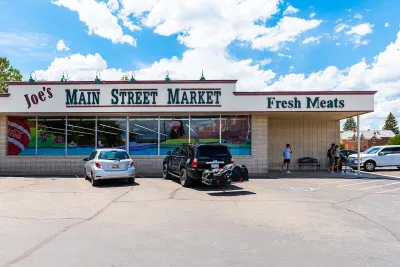
A new report from the Harvard Joint Center for Housing Studies looks at “residual income cost burdens,” defined as “not having enough income left after paying rent to cover all other necessities.”
The two-thirds of working age renter households that have residual cost burdens is higher than the 50 percent with traditional housing cost burdens. This analysis also reveals geographic differences in cost burdens. For example, “Lower-cost states such as Arkansas, West Virginia, and Wyoming have some of the highest residual income burden rates in the country but don’t make the list of states with the highest housing cost burden rates.”
The paper explores three policy interventions that could reduce the residual income burden: capping rent at 30 percent of income via a subsidy, giving renters a $500 monthly cash allowance, or giving renters a $1,000 monthly allowance. According to the JCHS analysis, the $1,000 allowance would produce a 15.2 percent drop in the residual income burden, while the rent cap would only reduce it by 1.3 percent.
FULL STORY: Two-Thirds of Working-Age Renters Struggle to Afford Basic Needs

US Rents Squeezing Low-Income Tenants
Despite a recent — and slowing — apartment construction boom, renters at the lower end of the income scale are still struggling to find housing.
Rents Rose Between December and January
After dropping to a three-year low, U.S. rent costs grew in many major cities.

US Rental Housing Prices Hit Three Year Low — and Still Out of Reach
The gap between median rental prices and incomes is shrinking in the US, but still falls short of affordability.

Planetizen Federal Action Tracker
A weekly monitor of how Trump’s orders and actions are impacting planners and planning in America.

The state-sanctioned urbicide of Austin
People don’t kill cities. Freeways do.

US to reduce Colorado River water deliveries to Mexico
A new Colorado Treaty amendment reduces Mexico’s Colorado River water allocation by 250,000 acre feet.

5 New England states march closer to 800 megawatt wind energy project
Securing federal approval for the project may be complicated under the Trump administration, which has historically been hostile towards domestic wind power.

Baltimore to break ground on $50 million Transit Priority Project
The project will bring faster bus trips, safer streets and better bike connections to Baltimore.

Airbnb launches $250 million 'last-dollar financing' housing accelerator, makes first investment in Austin
The company will put $6.4 million towards affordable housing development in Texas’ capital.

FREE Course: Walkable City 1: Why Walkability?
After describing his path towards focusing on walkability as the essence of good planning, Jeff Speck marches through his five principal reasons for making more walkable places.
Reinventing Malls: Planning Alchemy—Turning Gray Fields Into Gold
The course focuses on the opportunities and imperatives that shape reinvention of mall sites.

Eagle County Government
Harvard University Graduate School of Design
Nashville Planning Department
The Architects Foundation
University of Cincinnati Online
The Pocatello Development Authority
The Urban Renewal Agency of the City of Pocatello
Journal of the American Planning Association