Racial bias in appraisals is still a problem — but there are steps we can take to fight back. Philadelphia's reforms are a model to follow.



As federal enforcement decreases under the Trump administration, racial bias in home appraisals continues to undermine property values and widen the racial wealth gap. This op-ed argues that cities can take the lead, and Philadelphia offers a model.
Philadelphia created a Home Appraisal Bias Task Force in 2021, and the effort expanded under Mayor Cherelle Parker’s administration. The city requires fair housing and valuation bias training for appraisers, launched a Home Appraisal Equity Program, and incorporated anti-bias strategies into its $2 billion H.O.M.E. housing plan. State reforms, such as alternative licensing pathways and mandatory training in Pennsylvania, complement local action.
The authors caution that appraisal bias is systemic, not anecdotal, but transparency in appraisal data remains limited. With federal protections weakened, local governments have an opportunity — and responsibility — to implement reforms that promote fairness in home valuation, stabilize housing markets, and help close the racial wealth gap.
FULL STORY: The Federal Government Won’t Stop Home Appraisal Bias. Local Officials Can.

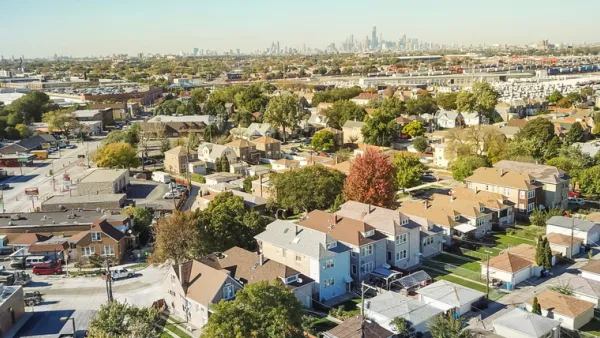
Assessing the Racial Home Valuation Gap
Research shows that homes in communities of color are consistently undervalued by, in some cases, over $1 million.
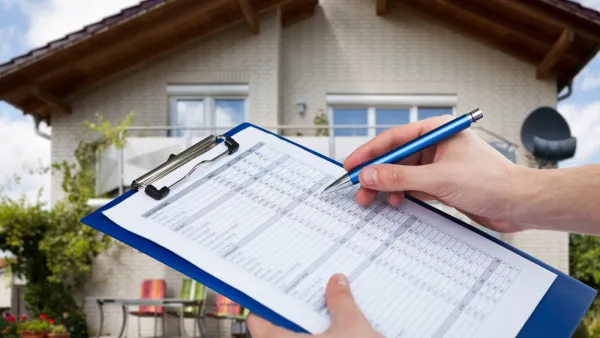
Report: Racial Gap in Home Appraisals Increasing
An analysis of government data reveals a growing gap in the appraised values of homes in white and Black neighborhoods.
Oregon cities are excluding a key tool that could help their housing goals: maps
An effort to use geospatial analysis to understand how housing and access to opportunity are distributed in Oregon cities has largely stalled.

Planetizen Federal Action Tracker
A weekly monitor of how Trump’s orders and actions are impacting planners and planning in America.

The state-sanctioned urbicide of Austin
People don’t kill cities. Freeways do.

US to reduce Colorado River water deliveries to Mexico
A new Colorado Treaty amendment reduces Mexico’s Colorado River water allocation by 250,000 acre feet.

Baltimore to break ground on $50 million Transit Priority Project
The project will bring faster bus trips, safer streets and better bike connections to Baltimore.

Airbnb launches $250 million 'last-dollar financing' housing accelerator, makes first investment in Austin
The company will put $6.4 million towards affordable housing development in Texas’ capital.

Guerilla urbanists are building DIY bus stop benches in Chicago
A before-and-after of one of the bus stops with a new bench. The new benches are not officially sanctioned or permitted, but the residents who placed them hope they will be the start of a network of DIY benches across the city.

FREE Course: Walkable City 1: Why Walkability?
After describing his path towards focusing on walkability as the essence of good planning, Jeff Speck marches through his five principal reasons for making more walkable places.
Reinventing Malls: Planning Alchemy—Turning Gray Fields Into Gold
The course focuses on the opportunities and imperatives that shape reinvention of mall sites.

Eagle County Government
Harvard University Graduate School of Design
Nashville Planning Department
The Architects Foundation
University of Cincinnati Online
The Pocatello Development Authority
The Urban Renewal Agency of the City of Pocatello
Journal of the American Planning Association