The technology harnesses waste heat to produce clean drinking water.



Hubbard, Texas will become the first U.S. city to install a system that creates water from waste heat. According to an article by Robyn Griggs Lawrence in Smart Cities Dive, the AirJoule Technologies system uses heat from a geothermal water well to generate distilled, potable water.
“AirJoule was developed as a dehumidification and cooling technology that uses a proprietary metal organic framework to capture and condense water vapor, harvesting thermal energy and water from air using less energy than conventional systems and without using refrigerants, it says.” The system will put heat back into the system and produce cool drinking water. Once it receives a purity certification, it can be used to supplement the city’s water supply.
According to the company, “While the pilot project will tap into Hubbard’s geothermal well, the system could work with any waste heat source, including heat from data centers, manufacturing plants or energy production.” The technology could help data centers make up for the massive amounts of water they require and even return water back to communities.
FULL STORY: Texas city pioneers tech that uses waste heat to generate drinking water


84% of Chicago's Pipes Contain Lead — and They're Not Equally Distributed
The city’s Black and Latino communities are most impacted, but the issue is widespread across the city’s water distribution network.
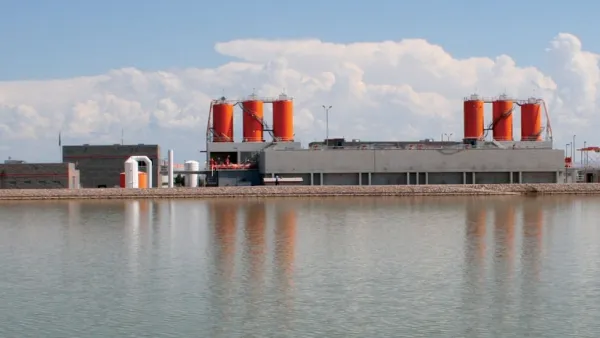
El Paso Wastewater Purification Facility Breaks Ground
As water supplies become strained and technology advances, cities look to wastewater as a viable source of drinking water.

Harnessing Waste Heat Through Thermoelectricity
Heat from industrial installations and buildings can be captured to create renewable electricity.

The state-sanctioned urbicide of Austin
People don’t kill cities. Freeways do.

US to reduce Colorado River water deliveries to Mexico
A new Colorado Treaty amendment reduces Mexico’s Colorado River water allocation by 250,000 acre feet.

New Jersey’s second-largest city bans standalone data centers
Jersey City will continue to allow co-location facilities, such as those meant for research institutions that store their own data.

Amtrak not solely to blame for New Jersey commuter rail's unreliability, report finds
A new study from the Garden State Initiative found that NJ Transit’s budget grew 20% across a 4 year period, but reliability declined significantly over the same period.

EPA erases limits on planet-warming pollution from power plants
Under Monday’s plan, power plants would still have some limits on how much mercury, arsenic and other contaminants they can emit.

Phoenix announces new on-demand transit service, more frequent RAPID buses
Both new services will launch in October, and are part of Phoenix's Project Effective Access Solutions for Easing Congestion.

FREE Course: Walkable City 1: Why Walkability?
After describing his path towards focusing on walkability as the essence of good planning, Jeff Speck marches through his five principal reasons for making more walkable places.
Reinventing Malls: Planning Alchemy—Turning Gray Fields Into Gold
The course focuses on the opportunities and imperatives that shape reinvention of mall sites.

Eagle County Government
Harvard University Graduate School of Design
Nashville Planning Department
The Architects Foundation
University of Cincinnati Online
The Pocatello Development Authority
The Urban Renewal Agency of the City of Pocatello
Journal of the American Planning Association