The city is still developing an interim housing plan, but has not yet provided alternate safe housing options for people experiencing homelessness.


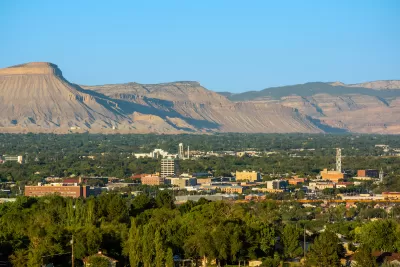
In a video from KREX5, reporter Jessica Livingstone interviews unhoused residents of Grand Junction, Colorado, where the city just banned the use of tents in public parks during daytime, effectively banning encampments. Residents interviewed by Livingstone say the new rules will push them to more dangerous locations without basic amenities like public bathrooms.
The city has also closed several parks to prevent unhoused people from sleeping there.
According to an article by Tom Hesse in Colorado Public Radio News, the new resolution passed after a similar proposal failed in the city council in February. “City Council Member Scott Beilfuss was the lone member to vote against the measure. He said a blanket change based on concerns over one park would have negative impacts on the unhoused community as a whole.”
Hesse explains that plans to provide other safe camping and parking options as part of an interim housing plan have not yet been approved. “While that plan has not yet been approved, the city’s interim housing workgroup has been developing a framework that was pitched to City Council during a work session Monday.”
FULL STORY: VIDEO: Unhoused Community speaks on City tent ban

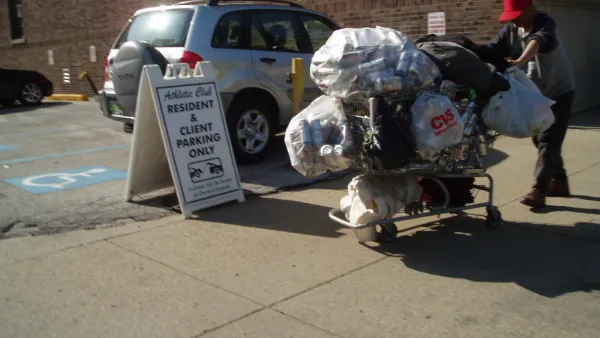
Indiana bans public homelessness
A new law prohibits sleeping or camping on public property.
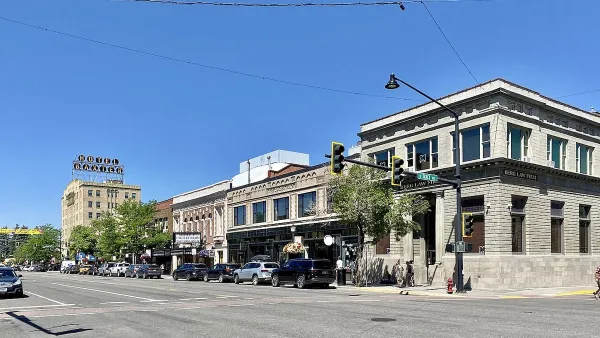
Gallatin County, Montana Passes Ban on Public Camping
The Gallatin County Commission last week approved an ordinance banning camping on public property and within public rights-of-way.

LA Denies Basic Services to Unhoused Residents
The city has repeatedly failed to respond to requests for trash pickup at encampment sites, and eliminated a program that provided mobile showers and toilets.

The state-sanctioned urbicide of Austin
People don’t kill cities. Freeways do.

US to reduce Colorado River water deliveries to Mexico
A new Colorado Treaty amendment reduces Mexico’s Colorado River water allocation by 250,000 acre feet.

New Jersey’s second-largest city bans standalone data centers
Jersey City will continue to allow co-location facilities, such as those meant for research institutions that store their own data.

Amtrak not solely to blame for New Jersey commuter rail's unreliability, report finds
A new study from the Garden State Initiative found that NJ Transit’s budget grew 20% across a 4 year period, but reliability declined significantly over the same period.

EPA erases limits on planet-warming pollution from power plants
Under Monday’s plan, power plants would still have some limits on how much mercury, arsenic and other contaminants they can emit.

Phoenix announces new on-demand transit service, more frequent RAPID buses
Both new services will launch in October, and are part of Phoenix's Project Effective Access Solutions for Easing Congestion.

FREE Course: Walkable City 1: Why Walkability?
After describing his path towards focusing on walkability as the essence of good planning, Jeff Speck marches through his five principal reasons for making more walkable places.
Reinventing Malls: Planning Alchemy—Turning Gray Fields Into Gold
The course focuses on the opportunities and imperatives that shape reinvention of mall sites.

Eagle County Government
Harvard University Graduate School of Design
Nashville Planning Department
The Architects Foundation
University of Cincinnati Online
The Pocatello Development Authority
The Urban Renewal Agency of the City of Pocatello
Journal of the American Planning Association