The measure will bring roughly $1 billion to the city’s affordable housing efforts.



“Seattle voters approved a nearly $1 billion affordable housing measure Tuesday in a vote supporters say underscored the scale of the city’s housing crisis,” writes Heidi Groover in The Seattle Times.
The Seattle Housing Levy was supported by roughly 66 percent of voters. Groover notes that more than two-thirds of the as-yet-uncounted 100,000 ballots would have to vote against the levy for it to fail.
“The levy will raise property taxes to generate $970 million over seven years, replacing an existing levy that expires at the end of 2023,” which is one of the city’s largest sources of affordable housing funding. “Seattle property owners will pay 45 cents per $1,000 of their property’s assessed value to fund the measure.”
Groover outlines how the money will be spent, including roughly $707 million for the construction and rehabilitation of rental homes and $30 million for rental assistance. “Although tax revenues will increase threefold from the previous levy, the number of homes the levy funds will not increase at the same rate. The city blames rising land and construction costs, and plans to fund larger, more expensive rental homes for families.”
FULL STORY: Seattle voters OK nearly $1B housing levy

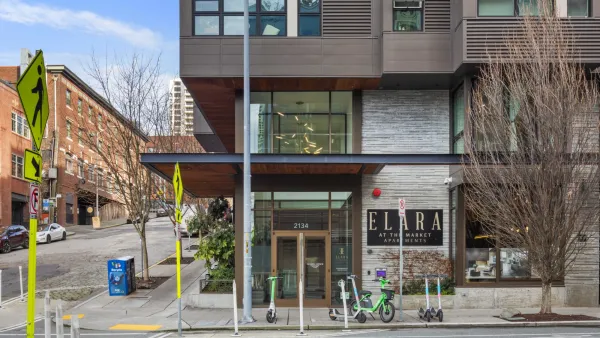
Seattle's first social housing building gets 10,000 resident applications
The Elara at the Market development includes 150 affordable housing units.
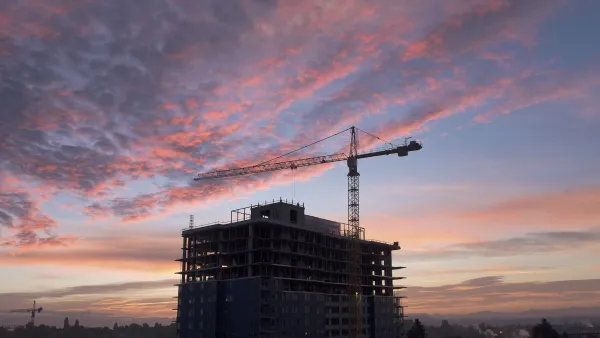
Facing Plummeting Permit Applications, Seattle Weighs Rolling Back Mandatory Affordability Fee
While many factors affect the drop in housing permits, developers say a change to the fee could make a significant impact in moving projects along.
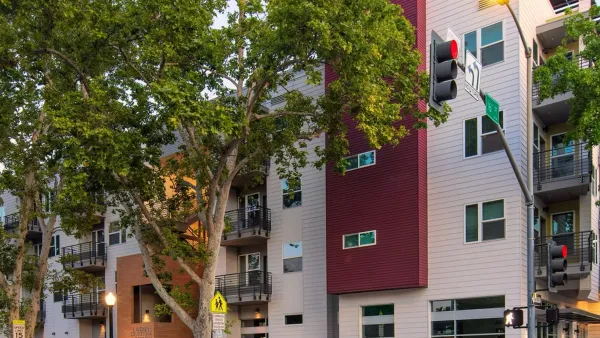
New Washington State Law Lets Cities Give Social Housing Developers City-owned Land
In its current form, HB 1687, which authorizes local governments to assist social housing agencies with land or other resources, only applies to Seattle.

Planetizen Federal Action Tracker
A weekly monitor of how Trump’s orders and actions are impacting planners and planning in America.

The state-sanctioned urbicide of Austin
People don’t kill cities. Freeways do.

US to reduce Colorado River water deliveries to Mexico
A new Colorado Treaty amendment reduces Mexico’s Colorado River water allocation by 250,000 acre feet.

5 New England states march closer to 800 megawatt wind energy project
Securing federal approval for the project may be complicated under the Trump administration, which has historically been hostile towards domestic wind power.

Baltimore to break ground on $50 million Transit Priority Project
The project will bring faster bus trips, safer streets and better bike connections to Baltimore.

Airbnb launches $250 million 'last-dollar financing' housing accelerator, makes first investment in Austin
The company will put $6.4 million towards affordable housing development in Texas’ capital.

FREE Course: Walkable City 1: Why Walkability?
After describing his path towards focusing on walkability as the essence of good planning, Jeff Speck marches through his five principal reasons for making more walkable places.
Reinventing Malls: Planning Alchemy—Turning Gray Fields Into Gold
The course focuses on the opportunities and imperatives that shape reinvention of mall sites.

Eagle County Government
Harvard University Graduate School of Design
Nashville Planning Department
The Architects Foundation
University of Cincinnati Online
The Pocatello Development Authority
The Urban Renewal Agency of the City of Pocatello
Journal of the American Planning Association