With pandemic assistance funding running out, many U.S. renters face the threat of eviction, with families with children at a disproportionately high risk for losing their housing.


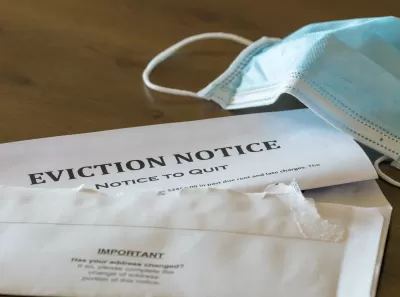
The surge of evictions predicted after pandemic-era protections expired is growing, with “renters of color and renters with children are facing the brunt of America’s housing crisis,” according to an article by Caleigh Kelly in The Hill.
“The Eviction Lab at Princeton University, the largest nation’s eviction database, reported a 78 percent increase in evictions from 2020 to 2021 in the 10 states and 34 cities it monitors. And the crisis has likely gotten worse since then as remaining eviction moratoriums have ended,” Kelly explains. According to the Eviction Lab, families with children are at higher risk of eviction.
A bill proposed in the U.S. Congress, the Build Housing with Care Act, “would address housing disparities by promoting affordable housing that is co-located with child care,” but has not made much headway in committees. Inequalities also persist when it comes to race. “We’ve been able to demonstrate that Black renters routinely face much higher eviction rates than their white counterparts,” said Peter Hepburn, associate director of the Eviction Lab—sometimes twice as high, Hepburn notes.
FULL STORY: Post-pandemic surge in evictions spotlights unequal housing crisis


Spiking Rents Putting More People at Risk of Eviction
Housing costs across the country are becoming more and more unaffordable for low- and moderate-income households, a trend that began even before the COVID-19 pandemic.
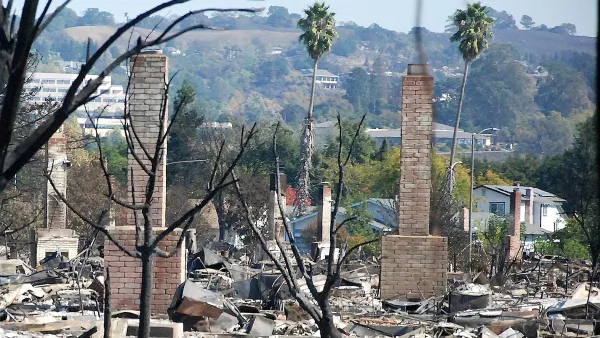
Sonoma County Bans Evictions During Disaster Recovery
Low-income renters face an increased risk of eviction after a natural disaster. Most cities and states don’t offer any protection.
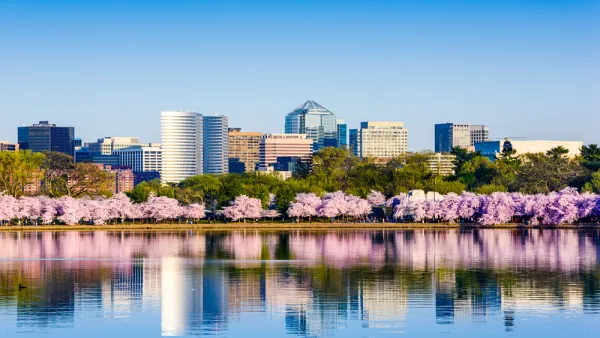
Report: DC Needs ‘Immense’ Funding Increase to Address Housing Crisis
Close to 60,000 District households can’t afford their housing costs, according to research from the Urban Institute.

Planetizen Federal Action Tracker
A weekly monitor of how Trump’s orders and actions are impacting planners and planning in America.

The state-sanctioned urbicide of Austin
People don’t kill cities. Freeways do.

US to reduce Colorado River water deliveries to Mexico
A new Colorado Treaty amendment reduces Mexico’s Colorado River water allocation by 250,000 acre feet.

Baltimore to break ground on $50 million Transit Priority Project
The project will bring faster bus trips, safer streets and better bike connections to Baltimore.

Airbnb launches $250 million 'last-dollar financing' housing accelerator, makes first investment in Austin
The company will put $6.4 million towards affordable housing development in Texas’ capital.

Guerilla urbanists are building DIY bus stop benches in Chicago
A before-and-after of one of the bus stops with a new bench. The new benches are not officially sanctioned or permitted, but the residents who placed them hope they will be the start of a network of DIY benches across the city.

FREE Course: Walkable City 1: Why Walkability?
After describing his path towards focusing on walkability as the essence of good planning, Jeff Speck marches through his five principal reasons for making more walkable places.
Reinventing Malls: Planning Alchemy—Turning Gray Fields Into Gold
The course focuses on the opportunities and imperatives that shape reinvention of mall sites.

Eagle County Government
Harvard University Graduate School of Design
Nashville Planning Department
The Architects Foundation
University of Cincinnati Online
The Pocatello Development Authority
The Urban Renewal Agency of the City of Pocatello
Journal of the American Planning Association