Some small cities are proposing zoning code reforms and new taxes to address the growing housing shortage in the greater New York area.


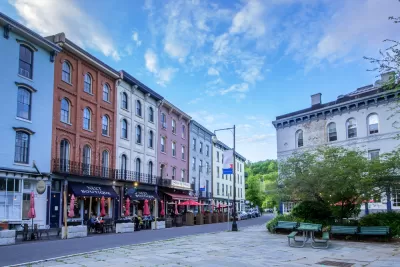
Writing in New York Focus, Sam Mellins examines the housing shortage facing New York suburbs, and how some communities are working to address it.
As Mellins points out, “In the 2010s, New York’s suburbs in the Hudson Valley and on Long Island built three times less housing per capita than the city’s New Jersey suburbs, thanks largely to restrictive zoning regulations.” Now, some are changing how they view growth and acknowledging the growing affordability crisis.
Mellins provides some examples, such as Kingston, which is completely rewriting its zoning code. “Kingston is seeking to enable the creation of new housing stock through a citywide rezoning that will eliminate nearly all single family-only housing zones in the city; abolish parking minimums, which frequently limit space available for housing; and place restrictions on short-term rentals like Airbnbs.” Kingston also passed a rent stabilization ordinance this year which will affect renters in roughly ten percent of its housing units.
In the Hamptons, where permanent residents struggle to find affordable housing, “On November 8, locals will vote on one proposed response: a half-percent tax on high-value home sales. The money would go to a fund reserved for affordable housing projects or financial assistance for first-time homebuyers.”
FULL STORY: Some Suburbs Are Actually Trying to Solve the Housing Shortage

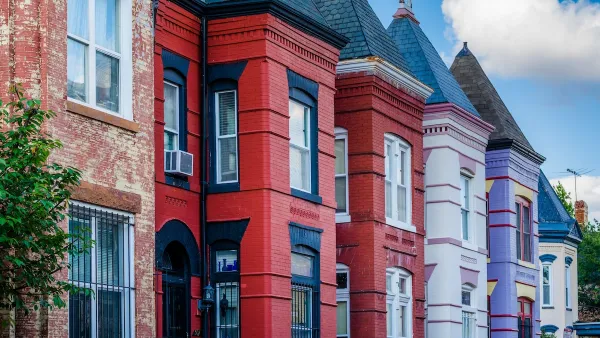
DC Residents Want Affordability Over ‘Character’
A poll finds that most residents want to see changes in zoning and land use laws that unlock more housing construction in the District and improve affordability.
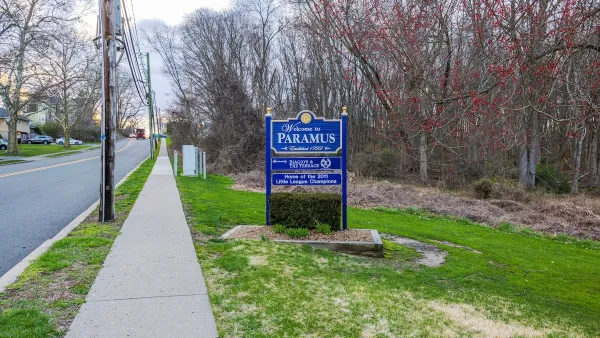
New Jersey Calls for 85,000 New Housing Units
A state law known as the Mount Laurel Doctrine mandates that each jurisdiction accommodate enough new housing units to meet the local demand for affordable housing.

Only Two US Metro Areas Are Affordable for Homebuyers
Northeast Ohio is the last remaining bastion of housing affordability, according to an analysis from the National Association of Realtors.

The state-sanctioned urbicide of Austin
People don’t kill cities. Freeways do.

US to reduce Colorado River water deliveries to Mexico
A new Colorado Treaty amendment reduces Mexico’s Colorado River water allocation by 250,000 acre feet.

New Jersey’s second-largest city bans standalone data centers
Jersey City will continue to allow co-location facilities, such as those meant for research institutions that store their own data.

Amtrak not solely to blame for New Jersey commuter rail's unreliability, report finds
A new study from the Garden State Initiative found that NJ Transit’s budget grew 20% across a 4 year period, but reliability declined significantly over the same period.

EPA erases limits on planet-warming pollution from power plants
Under Monday’s plan, power plants would still have some limits on how much mercury, arsenic and other contaminants they can emit.

Phoenix announces new on-demand transit service, more frequent RAPID buses
Both new services will launch in October, and are part of Phoenix's Project Effective Access Solutions for Easing Congestion.

FREE Course: Walkable City 1: Why Walkability?
After describing his path towards focusing on walkability as the essence of good planning, Jeff Speck marches through his five principal reasons for making more walkable places.
Reinventing Malls: Planning Alchemy—Turning Gray Fields Into Gold
The course focuses on the opportunities and imperatives that shape reinvention of mall sites.

Eagle County Government
Harvard University Graduate School of Design
Nashville Planning Department
The Architects Foundation
University of Cincinnati Online
The Pocatello Development Authority
The Urban Renewal Agency of the City of Pocatello
Journal of the American Planning Association