Los Angeles County is seeking public input for the Devil’s Punchbowl Natural Area Nature Center replacement planning project.


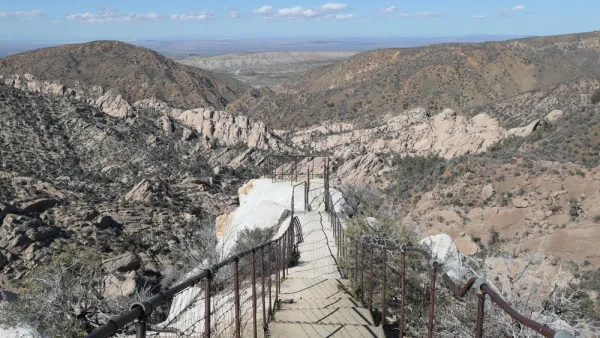
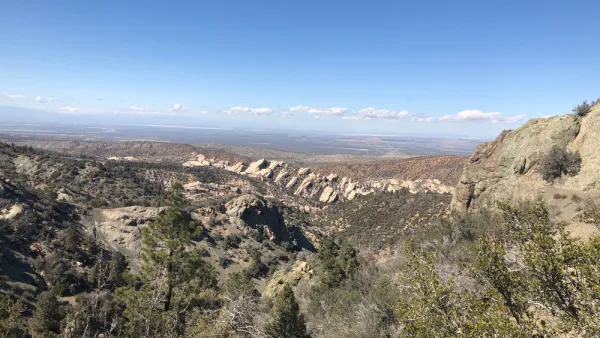
Operated by the Los Angeles County Department of Parks and Recreation (DPR), the Devil’s Punchbowl Natural Area is a destination for hikers, naturalists, and schools. It is a unique 1,310-acre geological wonder where visitors can walk, hike, or take a horseback ride on a 7.5-mile trail. Visitors can see spectacular up-tilted rock formations created by layers of sedimentary rocks and also explore a landscape of Joshua trees, California Junipers, and Pinyon Pine Woodland while observing the variety of wildlife. The nature center was remodeled in 1988 to serve as a critical educational resource to teach visitors about the sensitive habitat, local flora and fauna, and safety in the harsh extremes of the desert.
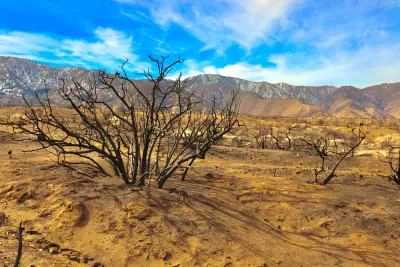
Unfortunately, on September 6, 2020, the Bobcat Fire destroyed over 30,000 acres of land, which included many parts of the Devil’s Punchbowl Natural Area, including the nature center. As reported in this article by Julie Drake of the Antelope Valley Press, DPR is in the process of planning for the replacement of the nature center and is holding three community workshops to gather public input.
This planning project will perform the necessary conceptual design work and environmental planning to create a viable, appropriately-sized, and programmed project to replace the previous nature center and other related improvements that were destroyed in the Bobcat Fire. The new nature center building will address various site constraints, including the limited supply of fresh water, lack of sewer or wastewater system, and limited capacity of the existing parking lot and entry road.
Read the full story: Nature center replacement workshop set
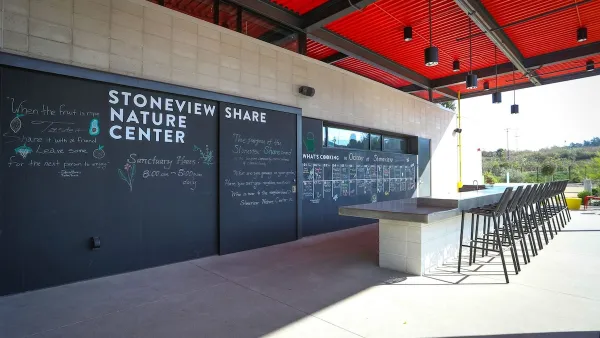
Nature Starts Here: The Essential Role of Nature Centers and Outdoor Programs
Nature centers and outdoor programs serve as vital gateways to environmental education, equity, and stewardship — bringing people closer to nature and inspiring the next generation to care for the planet.
Designing a New Nature Center at a Geological Wonder
Los Angeles County has developed a conceptual design for a new nature center at the Devil’s Punchbowl Natural Area based on community input. The old nature center was destroyed by a wildfire in 2020.
Envisioning a New Nature Center
Los Angeles County is seeking public input as part of the Devil’s Punchbowl Natural Area Nature Center replacement planning project.

Desperate measures: Advocates weigh draining Lake Powell to fill Colorado River
Draining the reservoir could reduce evaporation losses by a couple hundred thousand acre-feet.

Eastern Nebraska is running out of electricity
Data centers and electrification are straining eastern Nebraska’s grid, throttling economic development.

Move over, LA: St. Louis gears up for Olympics, invests millions in downtown redevelopment
The Missouri city will host the 2028 Olympic soccer group stage and knockout matches.

MTA sends Dem leaders a wish list to mend Trump’s damages
Requests include exempting new train and bus components from tariffs and increasing transit security funding.

Mass. votes against statewide minimum lot size for single-family homes
Over 2 million residents voted on Question 7; it was decided by just over 30,000 votes.

Maryland’s $15 billion bridge project gains key approval
The Maryland Transit Authority said the project will create over 60,000 jobs and add $23 billion to the local economy.

FREE Course: Walkable City 1: Why Walkability?
After describing his path towards focusing on walkability as the essence of good planning, Jeff Speck marches through his five principal reasons for making more walkable places.
Reinventing Malls: Planning Alchemy—Turning Gray Fields Into Gold
The course focuses on the opportunities and imperatives that shape reinvention of mall sites.

City of Rosemead
Rutgers University, Edward J. Bloustein School of Planning and Public Policy
One Hundred Miles
University of Michigan School for Environment and Sustainability (SEAS)
Hunter College, City University of New York (CUNY)
The Architects Foundation
City of Cambridge
The Pocatello Development Authority
The Urban Renewal Agency of the City of Pocatello