After complaints from a seniors-only development that saw a sharp rise in rents in recent months, Torrance will consider an ordinance limiting rent increases for mobile home park residents.


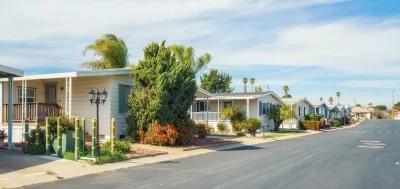
The Southern California city of Torrance will consider rent stabilization for mobile home parks, reports Kristy Hutchings. The decision comes “after months-long calls to do so from residents of a seniors-only complex that’s faced more than 15% increases in rent for lots within six months.”
The city directed staffers to draft an ordinance “that will largely mirror state Assembly Bill 1482, which imposes percentage caps on annual rent increases for residential properties.” The ordinance would “also help stabilize mobile home parks to avoid turnover and prevent tenants from being displaced because of rent spikes, according to city officials.”
“The city’s SRSO will have to cover when the proposed ordinance would go into effect, how much annual space rents can increase, fair return rent increases, exemptions and waivers, timing of rent increases, the appeal process, and enforcement.” The ordinance would also require the creation of a commission to review applications and “provide the landlord due process to apply for variances or exceptions, ensure that the stabilized rent rates still provide mobile home park owners a reasonable rate of return on their documented investments into the park, and create a process for mobile home tenants to seek relief/remedy under the ordinance.”
Residents of mobile home parks around the country, many of whom are low-income seniors, are facing rising rents and threats of eviction as more investors eye the properties as profitable acquisitions.
Read the full story: Torrance to consider implemented rent stabilization ordinance for mobile home parks
Protecting America’s Manufactured Housing
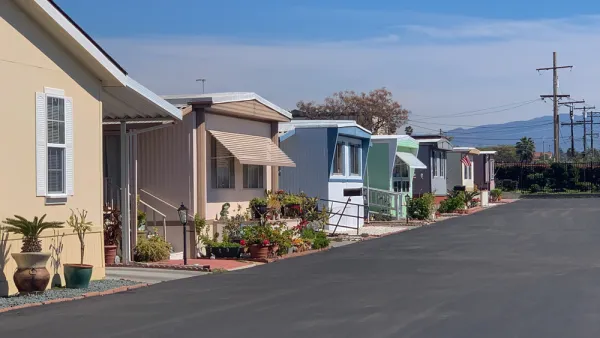
Governments at all levels are finally waking up to the benefits of protecting and encouraging the production of factory-built homes, which offer an affordable, efficient form of housing that many Americans depend on.
The Housing Crisis in America’s Mobile Home Parks
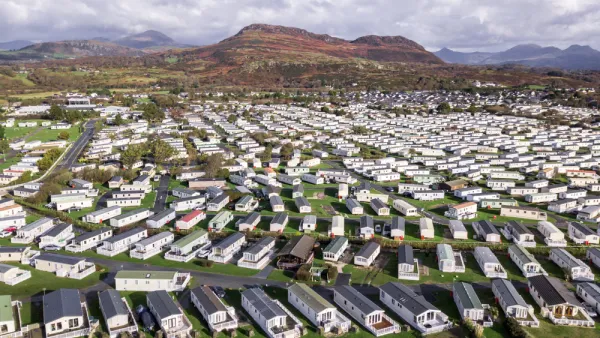
With demand surging and rent costs rising sharply, mobile home parks are becoming unaffordable for their most vulnerable residents.
Mobile Home Residents Face Rising Displacement Threat
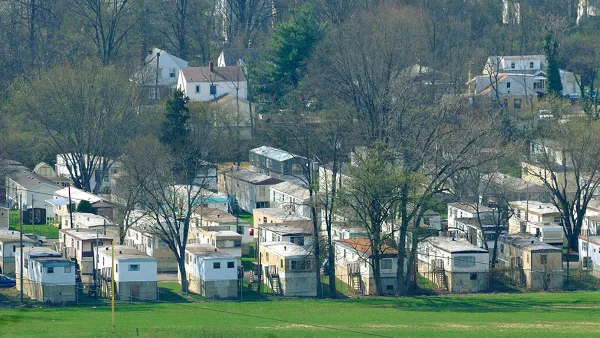
As investors continue to eye mobile home parks as a profitable opportunity, current residents, many elderly and low-income, face steep rent hikes and possible eviction.

Planetizen Federal Action Tracker
A weekly monitor of how Trump’s orders and actions are impacting planners and planning in America.

California plans to bury El Niño’s downpour
If the state plays its cards right, it may be able to store a billion acre-feet of El Niño’s water in aquifers.

Desperate measures: Advocates weigh draining Lake Powell to fill Colorado River
Draining the reservoir could reduce evaporation losses by a couple hundred thousand acre-feet.

Mamdani’s pied-à-terre tax survives legal challenge
A panel of judges found that the plaintiffs failed to demonstrate injury as a result of New York City's implementation of the tax.

Eastern Nebraska is running out of electricity
Data centers and electrification are straining eastern Nebraska’s grid, throttling economic development.

Seattle passes record-breaking transit services expansion
Proposition 1 will double the city’s transit tax to add 95,000 more bus trips and preserve 180,000 bus trips annually.

FREE Course: Walkable City 1: Why Walkability?
After describing his path towards focusing on walkability as the essence of good planning, Jeff Speck marches through his five principal reasons for making more walkable places.
Reinventing Malls: Planning Alchemy—Turning Gray Fields Into Gold
The course focuses on the opportunities and imperatives that shape reinvention of mall sites.

City of Rosemead
Rutgers University, Edward J. Bloustein School of Planning and Public Policy
One Hundred Miles
University of Michigan School for Environment and Sustainability (SEAS)
Hunter College, City University of New York (CUNY)
The Architects Foundation
City of Cambridge
Montrose County
The Pocatello Development Authority