U.S. Senator Todd Young (R-Indiana) has introduced a new law that picks sides in the housing debate, though the law is unlikely to produce structural change in the development process the near future.



A press release from the office of U.S. Senator Todd Young announced the introduction of the "Yes In My Back Yard Act" [pdf] late last week, aiming "to shed light on discriminatory land use policies, encourage localities cut [sic] burdensome regulations, and bring a new level of transparency to the community development process."
To achieve that effect, the YIMBY Act "would require Community Development Block Grant (CDBG) recipients to go on the record with why they are not adopting specific pro-affordability and anti-discriminatory housing policies," according to the press release.
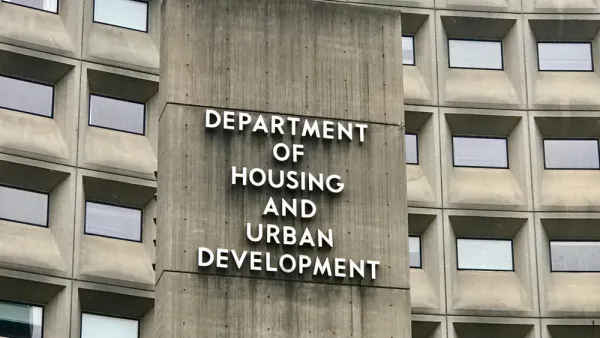
The adoption for the YIMBY moniker by a Republication lawmaker at the national level isn't unprecedented. U.S. Housing and Development Department Secretary Ben Carson has adopted YIMBY stances on several occasions. Senator Young has also shown support for federal housing programs in the past.
Read the full story: Young Introduces Yes In My Backyard Act to Encourage Communities to Cut Regulations and Increase Housing Supply


The Federal YIMBY Act Makes Progress in the House
A federal bill intended to increase transparency in land use and zoning decisions as well as encourage localities to eliminate barriers to housing has advanced out of a House of Representative committee.

Five Years of California’s Landmark Land Use Law, SB 35
It’s been five years since the California Legislature approved Senate Bill 35 to clear hurdles to housing construction. How much of its intentions has the law accomplished, and what should planners look for in the next few years?
How Federal Policy Can Support More Affordable Housing in Exclusionary Communities
The recently funded “Yes In My Back Yard” federal grant program provides support for local and state governments to implement housing policy reforms, but it doesn’t go far enough to undo the exclusionary practices of wealthy communities.

Planetizen Federal Action Tracker
A weekly monitor of how Trump’s orders and actions are impacting planners and planning in America.

California plans to bury El Niño’s downpour
If the state plays its cards right, it may be able to store a billion acre-feet of El Niño’s water in aquifers.

Chicago breaks ground on $3 billion megadevelopment
The new neighborhood, titled Foundry Park, will one day host 3,700 residences.

Satanic place names
From streams and lakes to valleys and canyons, I mapped more than 1,000 places named after the Devil.

California High-Speed Rail Authority CEO resigns after $600,000 scandal
Under Ian Choudri, the authority used taxpayer dollars to fund first class flights and trips to nightclubs.

Want to study the Missouri River? Soon, you may need unanimous approval from 10 states
Legislation would require 10 governors’ permission to study or build projects moving water outside the basin.

FREE Course: Walkable City 1: Why Walkability?
After describing his path towards focusing on walkability as the essence of good planning, Jeff Speck marches through his five principal reasons for making more walkable places.
Reinventing Malls: Planning Alchemy—Turning Gray Fields Into Gold
The course focuses on the opportunities and imperatives that shape reinvention of mall sites.

City of Rosemead
Rutgers University, Edward J. Bloustein School of Planning and Public Policy
One Hundred Miles
Hunter College, City University of New York (CUNY)
The Architects Foundation
University of Cincinnati Online
City of Cambridge
Montrose County
The Pocatello Development Authority