Kate Wagner argues that moral arguments about what kind of architecture is fitting, can stand in the way of good planning.


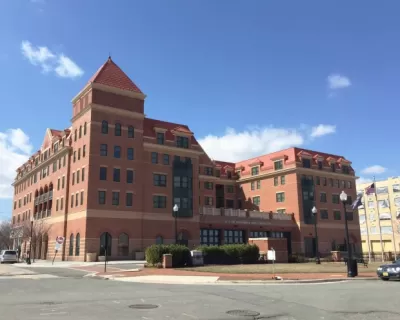
Are skin-deep moral judgements fueling the housing affordability crisis?
Kate Wagner says architecture is a scapegoat for bigger problems with housing in cities. Arguing that both NIMBYs and YIMBYs see a moral component to the aesthetics they prefer. "Aesthetic moralism is unfortunately trenchant in the urban housing debate, usually on the NIMBY side, which often argues that new housing destroys 'neighborhood character,'" Wagner writes in Common Edge. This causes conflict when the need should dictate the look or type of development. "Affordable mid and high-rise towers are the most effective way to house the greatest number of people on the smallest parcel of land, something that’s desperately needed in places like San Francisco, where the value of land is so high," Wagner writes.
Still the left can fall victim to aesthetic moralism as well, by vilifying modern developments. "Often, both luxury and affordable or public developments have to conform to certain aesthetic standards in order to pass a city’s required design review process before the proposed developments can be approved," Wagner argues.
Read the full story: Architecture, Aesthetic Moralism, and the Crisis of Urban Housing
Seattle Public Hearing on Affordable Housing Surprisingly YIMBY
Fort Lawton, an affordable housing proposal including over 200 units, got a warm reception at a meeting in Seattle.
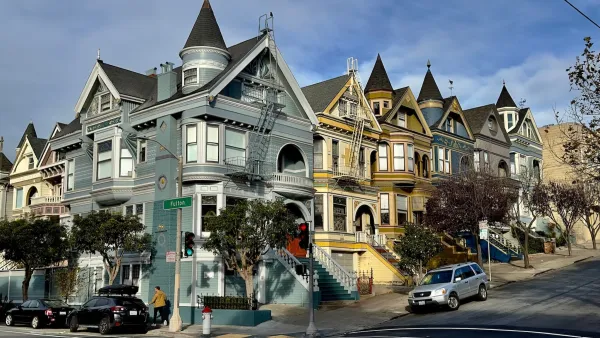
The trouble with QUIMBY, revisited — a rebuttal to a rebuttal
In a perfect world, QUIMBY might get us a bit closer where we need to go. But, this YIMBY argues, not close enough.
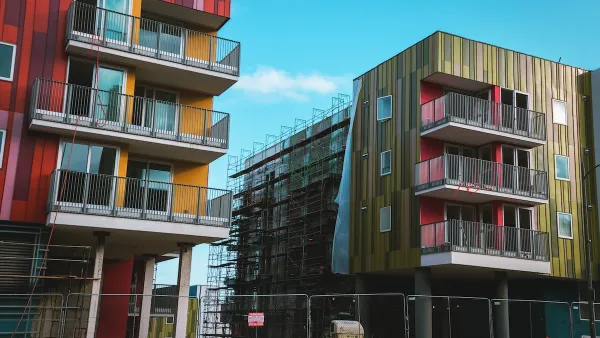
Survey: 59% of LA Residents Want Dense Housing in Their own Neighborhoods
A UCLA survey reveals strong support for new apartments across the city, bucking the notion that Angelenos are NIMBYs.

Planetizen Federal Action Tracker
A weekly monitor of how Trump’s orders and actions are impacting planners and planning in America.

California plans to bury El Niño’s downpour
If the state plays its cards right, it may be able to store a billion acre-feet of El Niño’s water in aquifers.

Desperate measures: Advocates weigh draining Lake Powell to fill Colorado River
Draining the reservoir could reduce evaporation losses by a couple hundred thousand acre-feet.

US buildings threatened, destroyed by fires set to triple by 2060
Researchers found a high fire risk for socioeconomically vulnerable neighborhoods in the American West.

LA residents may be allowed to paint their own crosswalks
Councilwoman Katy Yaroslavsky put out a motion instructing the Los Angeles Department of Public Transportation to study the feasibility of allowing volunteers to paint crosswalks.

Dallas moves to overhaul its zoning code
The city's zoning reform will allow more multi-family and mixed-use developments.

FREE Course: Walkable City 1: Why Walkability?
After describing his path towards focusing on walkability as the essence of good planning, Jeff Speck marches through his five principal reasons for making more walkable places.
Reinventing Malls: Planning Alchemy—Turning Gray Fields Into Gold
The course focuses on the opportunities and imperatives that shape reinvention of mall sites.

City of Rosemead
Rutgers University, Edward J. Bloustein School of Planning and Public Policy
One Hundred Miles
Hunter College, City University of New York (CUNY)
The Architects Foundation
University of Cincinnati Online
City of Cambridge
Montrose County
The Pocatello Development Authority