Government / Politics
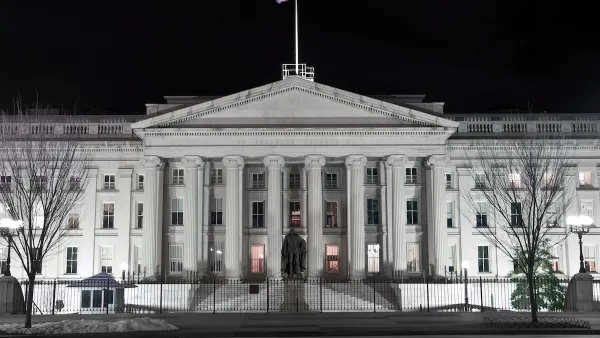
January Must-Reads: Top 10 Articles From Last Month
How a tidal wave of potential changes at the federal level could throw many programs planners depend on into chaos, a roundup of last year’s zoning stories, and the continuing ripple effects of a landmark Supreme Court case.

Condos, a Key Source of Affordable Housing for Homeowners, Are in Jeopardy
Decades of increasing costs and deferred maintenance could lead to people losing their homes unless changes are made.
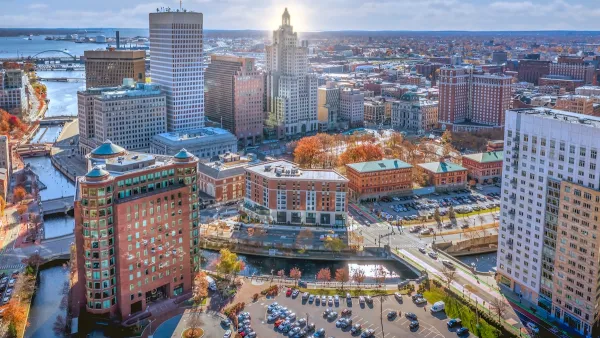
From Plan to Place: Providence’s Downtown Renaissance
Providence’s downtown is transforming from plan to place. Decades of strategic planning, zoning reforms, & investment are paying off, creating a more vibrant, walkable urban core. Here’s how thoughtful policy and design are shaping the city’s future.

DOT Memo Directs Transportation Funding to Communities With Higher Marriage and Birth Rates, Compliance with Immigration Officials and No Mask Mandates
The memo ties immigration enforcement to federal funding and prohibits mask or vaccine mandates.
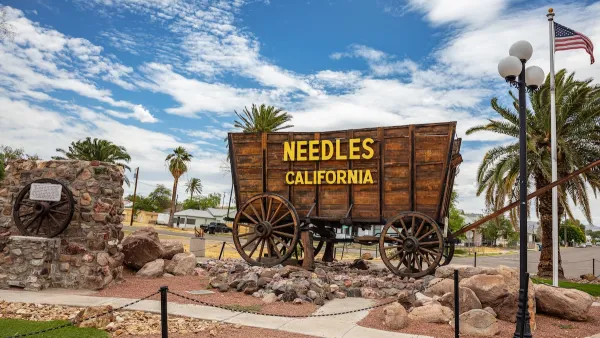
Commentary: Why We Need a Federal Definition of ‘Rural’
A patchwork of definitions of rural versus urban areas has real consequences for communities seeking federal funding.
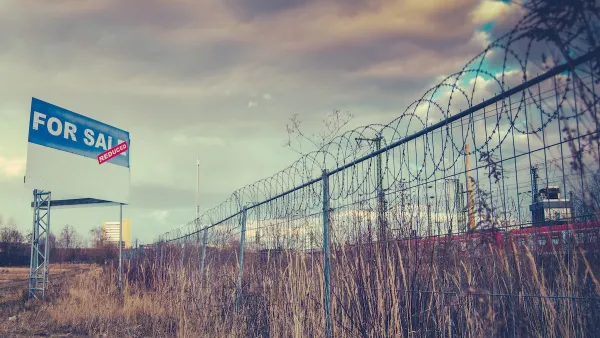
From Brownfields to Community Assets: A Conference on Land Revitalization
The 2025 California Land Recycling Conference (CALRC) will convene experts in Carson, CA, from September 16-18 to discuss brownfield redevelopment, sustainability, and equitable land reuse, with session proposals open until March 31, 2025.
Good Planning Under Bad Leadership
Planners must sometimes work under bad leadership. Here are suggestions for responsive planning in challenging political environments.
Equity in Energy: Protecting Livelihoods and Restoring Communities
The transition from fossil fuels to renewable energy must be equitable, ensuring that workers receive support, communities are revitalized, and degraded lands are restored to create a more sustainable and inclusive future.
How Might Tariffs and Deportations Affect Affordable Housing Development?
Many affordable housing developers worry Trump’s proposed taxes on imports and crackdown on immigration will be detrimental to the industry. Others hope deregulation reduces development costs enough to offset those effects. What’s the most likely outcome?
What Is ‘Affordable Housing’?
For such a commonly used term, “affordable housing” means a lot of different things to different people and in different contexts.For such a commonly used term, “affordable housing” means a lot of different things to different people and in different contexts.
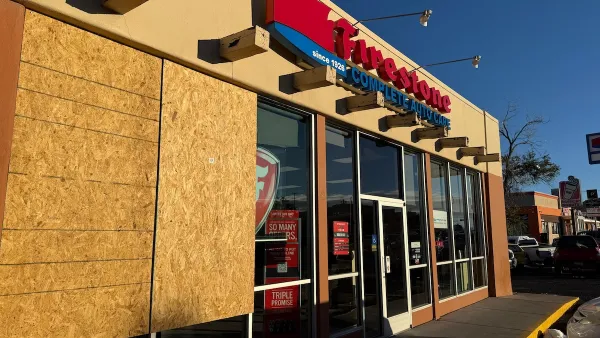
Avoiding Misplacement of a Place
To balance the interests of current residents and economic well-being, does a city's signature identity need an update?

National Housing Group Criticizes Executive Orders
The National Low Income Housing Coalition issued a statement charging that Trump’s executive orders would worsen the housing crisis.
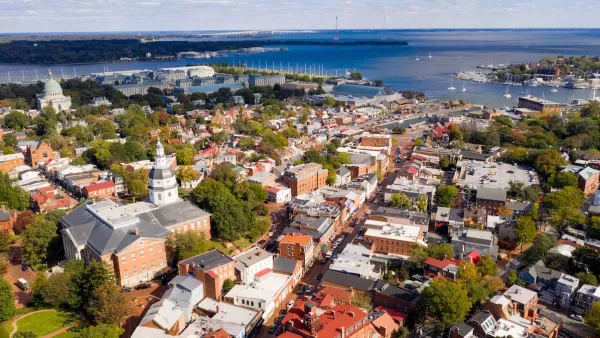
Annapolis Unveils Interactive Map to Boost Urban Tree Canopy
Annapolis has launched an interactive Tree Canopy Map to engage residents in urban forestry efforts, highlighting tree coverage data and encouraging community involvement to achieve the city’s 50 percent canopy goal by 2050.
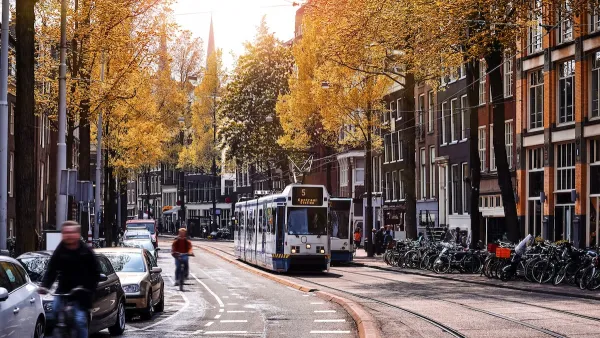
Looking for the Light in a Dark Age
Professor Glenn Lyons offers insights about the challenges facing planners in times of rapid technological, cultural, and social change, in Local Transport Today's first ‘Deep Thinking Initiative’ article.
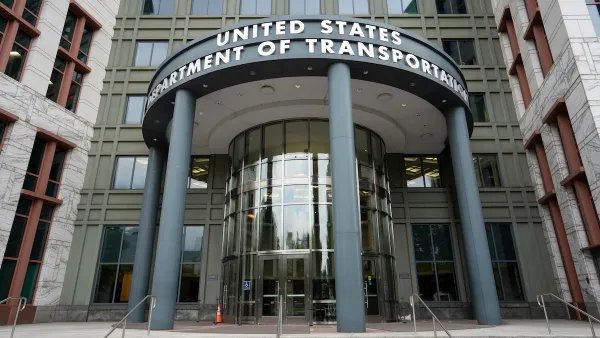
Preserving Essential Information in an Uncertain World
The new U.S. federal administration may eliminate useful information sources. Planners should download and preserve key documents and datasets.
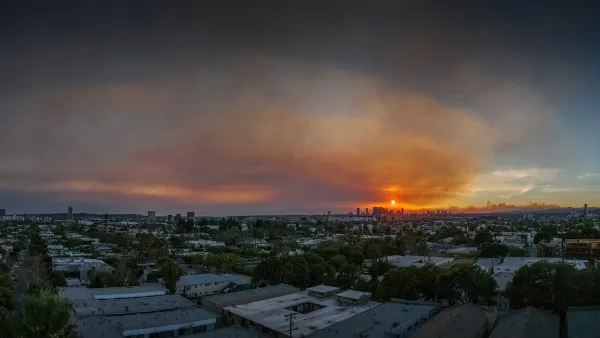
While California Fires Burn On, Residents Take on Rent Gouging
Residents have already seen online listings skyrocketing in price—despite laws against such hikes. With fires still raging, LA and Pasadena tenants are demanding protections against rent raises and eviction.
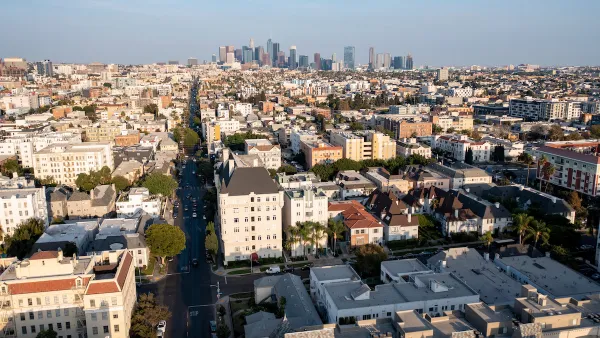
The Urban Heat Divide: Addressing LA’s Thermal Inequities
LA's thermal inequities leave low-income, minority neighborhoods disproportionately hotter and more vulnerable, prompting advocacy and policy efforts to address these disparities through green infrastructure and equitable climate investments.

Did Brookings Get It Wrong?
A recent Brookings study on the 2020 homicide wave tells a simple story: unemployment plus closed schools plus guns equals crime. But is the story accurate?
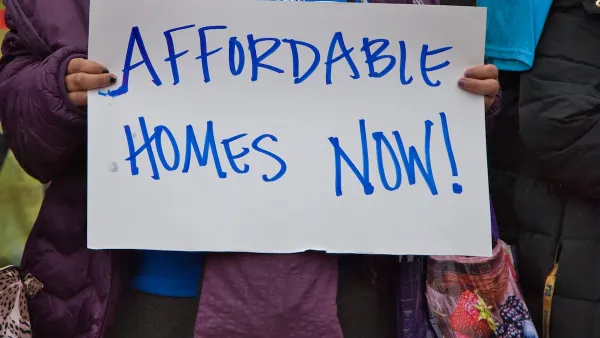
America’s Housing Crisis: Lessons Ignored and Challenges Ahead
A recent study reveals how decades of policy missteps, demographic shifts, and economic forces fueled America’s housing crisis, leaving millions — especially millennials — struggling amid rising demand, racial disparities, and climate-driven emergencies.
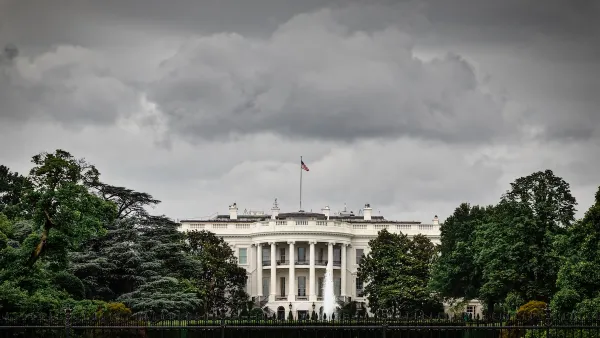
How the Trump Presidency Could Impact Urban Planning
An analysis of potential changes in federal housing, transportation, and climate policies.

FREE Course: Walkable City 1: Why Walkability?
After describing his path towards focusing on walkability as the essence of good planning, Jeff Speck marches through his five principal reasons for making more walkable places.
Reinventing Malls: Planning Alchemy—Turning Gray Fields Into Gold
The course focuses on the opportunities and imperatives that shape reinvention of mall sites.

City of Charlotte
City of Rosemead
Rutgers University, Edward J. Bloustein School of Planning and Public Policy
University of Michigan School for Environment and Sustainability (SEAS)
Hunter College, City University of New York (CUNY)
The Architects Foundation
University District Partnership









