Sim City may have inspired an entire generation of urban planners — but these games have perfected the art of city-building simulation.


Video games have, for many years, given urban planners and city designers a playful assist. There are simulation-based virtual platforms or mapping technologies that designers of any kind can use to map out certain ideas. Even more interesting, perhaps, are the games that have either been created with planners in mind, to help visualize what it means to design urban space, or those that have otherwise been co-opted by planners, architects and designers for the same purpose.
Much can be gleaned from playing these games and manipulating them to try out different ideas, from how humans tend to behave and maneuver through space to best practices for guiding them where you want them to go. There is even a book by Konstantinos Dimopoulos, Virtual Cities: An Atlas & Exploration of Video Game Cities, which chronicles the intricacies of various game cities. As Dimopoulos puts it, his book “is for savouring the delights that virtual urbanism has to offer,” and that video games “truly shine when it comes to building immersive settings.”
We all know about SimCity, the original game for aspiring urban designers, which has likewise featured updates over the years that have further played into these uses. It’s accepted wisdom by now that the game has played a bigger role in sparking urban planning careers than anything else could.
These examples below, though, look beyond SimCity, and are some of the most celebrated among planners and gamers alike for their playability and their applicability to planning better cities.
Cities: Skylines
This 2015 game, and its 2023 sequel, are the most-discussed games among urban planners today, and are the subject of much scholarly and professional research. Players manage traffic, taxation, zoning, public transportation, utilities, and services, budgets pollution, and much more. As if to bolster the game’s bona fides, the city of Stockholm, where the game’s developer is based, used the game to plan its new transportation system and other elements of its city space, and the game has become a teaching tool for urban planning, real estate and more.
While it has also faced some criticism — largely around how its mechanics recreate our own car-centric and economy-boosting city design biases while neglecting other more utopian ideals — it also has a thriving modding culture, whereby users modify the game so people-focused design can take centre stage. Many of the games below, too, have active modding — sometimes with the approval of developers and sometimes not, but often with the intention of making the game even more responsive to the desires of planners hoping to push the boundaries of what a fully functional city could look like.
Anno 117: Pax Romana
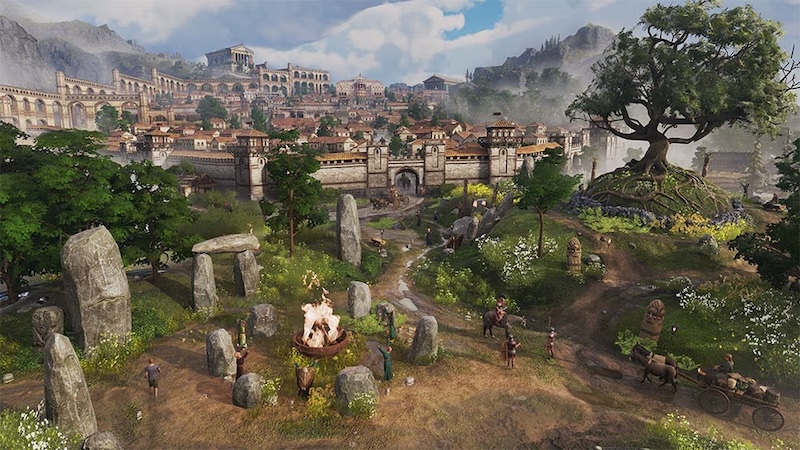
The newest game on this list, this city-building real-time strategy simulator, in which players act as a governor in the Roman Empire, has begun to be embraced by some urban planners for its visual splendor and simple user interface. Players try to develop a stable economy, expand their province, upgrade infrastructure, adapt supply chains, manage logistics and trade routes and more. While the historical setting may make it less directly useful for planners trying to design the cities of today or tomorrow, many of the basic mechanics reflect ever-present needs for cities, from the efficiency of layout to balancing economic power with public services. There is a lesson here that, now as then, the actual needs of your citizens ought to come before all other considerations if you hope to cultivate a happy (and productive) populace. There are several other games in the Anno series, too, that take place in other eras, such as the Industrial Revolution and the far-future on the Moon.
Banished
This indie game operates on a smaller scale, but manages to put an intensity into city-building, which simultaneously helps to establish the stakes involved in the decisions that planners make. As you develop your isolated settlement community, various obstacles emerge: from extreme weather events that you must prepare for to depression among citizens that must be managed. The difficulty is high — demonstrating how complicated it is to plan a city, meet all of a society’s myriad wants and needs, and control resources and growth in parallel. How do you nurture a sustainable community? Moreover, the gameplay helps instill the notion that planners are responsible not only for how communities operate and feel, but how they impact each and every citizen’s everyday life. It is a burden that this game embodies.
Fortnite
Without claiming the massive phenomenon of Fortnite as a city-building tool necessarily, it is nevertheless a game devoted to the building of various structures and spaces, all done very quickly. Speed is paramount in Fortnite, which means that big decisions about what to build and how to build it must be made intelligently, and with the benefit of experience. To wit, the game has even been used by Zaha Hadid Architects for designing a game-based waterfront district within a virtual London. Fortnite’s build mode, especially when paired with its Unreal Editor (also owned by developer Epic Games), are massively popular examples of participatory design, where the entire point is to build, knock it down and build again.
Minecraft
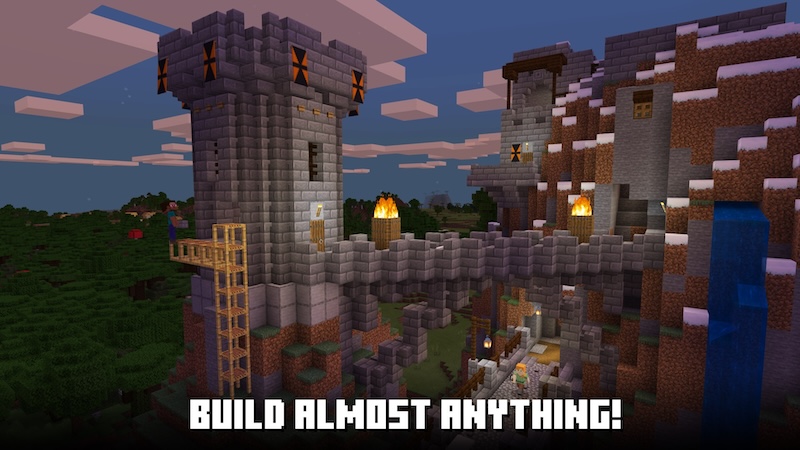
Alongside Fortnite, the other mass mainstream game to utilize city-building mechanics and logics is Minecraft. Similarly positioned as a potential gateway game for kids to discover a love for design or architecture, the game continues to expand its reach into new areas of society, including via a long-standing partnership with UN-Habitat for residents across the globe to plan improvements to their communities, which can then be implemented in reality. All of this is part of the Block by Block project, which has been utilized, since 2012, by cities like Nairobi, Kenya, São Paulo, Brazil, and more to address needs, with input from schoolchildren and other youth in these areas helping to lead the way to actual, physical change in their communities.
The Last of Us Part II
While certainly not a city-building game, The Last of Us Part II is an instructive example of how big-budget game developers take great pains to design their game spaces in such a way that mirrors how urban planners design city spaces and how they flow. Developed by Naughty Dog, much effort was put by the game’s engineers into making sure that both smaller spaces, like a theater, intuitively lead the player through various rooms in an order that makes sense for the story, but also for much larger spaces, including the streets of Seattle, recreated in detail but redesigned according to the apocalyptic setting to, again, guide players where they ought to go. It is a significant reminder that urban planners, too, try to make sure that city space is effortlessly intuitive and accessible for everyone, as city streets and establishments in real life are likewise designed to be easily understood and navigated by residents and visitors alike.
Frostpunk
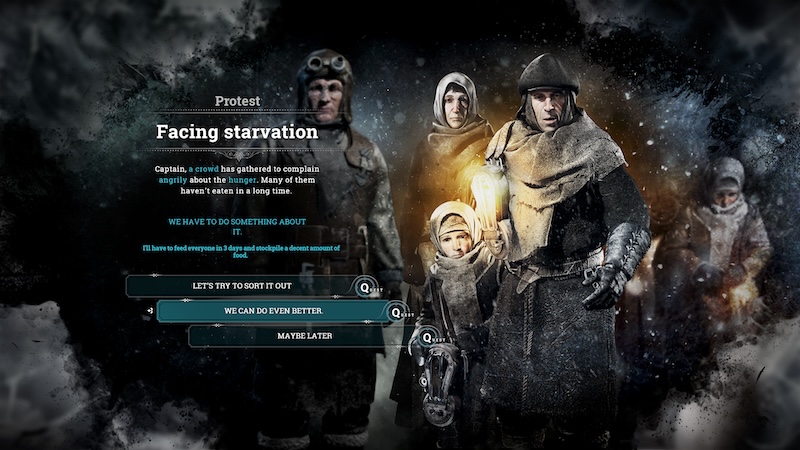
Similar to Banished in its focus on survival, this alternate-history game and its sequel take place after a volcanic winter catastrophe has occurred across the planet, and the player is tasked with constructing buildings and then entire city districts, naturally balancing one’s limited resources with one’s need to expand and serve various functions, including energy production, food cultivation and industrial labor. The games also feature an open sandbox mode called “Utopia Builder,” in which the player can use much larger quantities of resources to create a huge and thriving metropolis without the story mode’s constraints. These games also remind planners that climate catastrophe is now a crucial, unavoidable part of city design that must be accounted for.
Surviving Mars
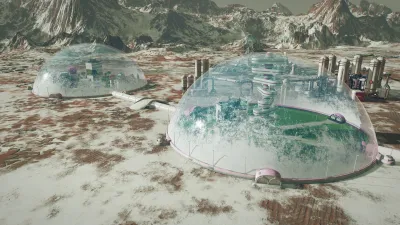
Taking city-building into a sci-fi future, Surviving Mars is exactly what you’d think: the player must plan and manage a colony on Mars. Existing under a giant dome, the colony requires sophisticated resource management and extraction, and can contend with natural disasters, aliens and other obstacles. Unlike in many other city-building games, the focus is not on expansion, but on perfecting life within your dome, making sure each citizen is where they’re supposed to be and living their best life (happiness trackers will keep you informed). Players are also granted a view of what novel technology and design choices could look like, as we can’t help but imagine such futures (another game, Aven Colony, provides a similar experience).
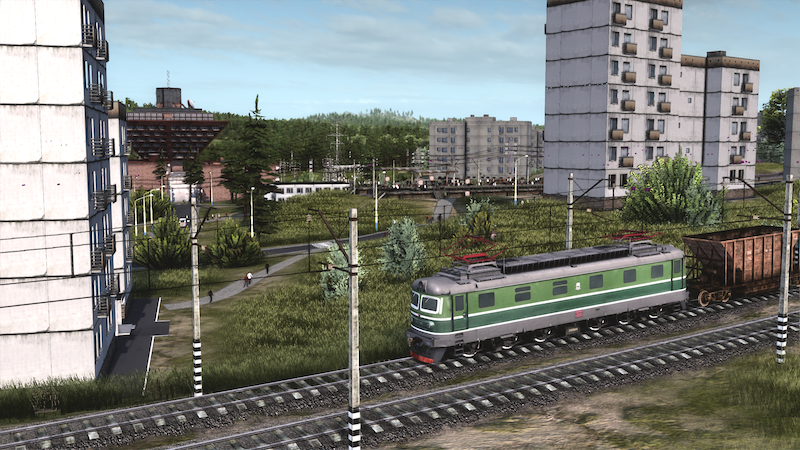
Workers & Resources: Soviet Republic
This fascinating example allows gamers and planners to take control over planning a Soviet Republic city, with all the brutalist design and communist ideals you might anticipate. You construct roads, buildings, and factories, you plan supply chains and export controls and control utilities and public transportation. Players are given a window into a specific form of city-building in a specific place at a specific time. This may limit the imagination, but also offers unique lessons in utilitarian design (both its strengths and weaknesses), and in following each process step-by-step, from bulldozing the ground to make way for a factory right on up to sending them only the right employees, with the right transportation and connected via the right roads to the right depots. It is meticulous, by design, and there are insights to take from what works and what does not in this approach.

Townscaper
This casual, minimalist game may not have the fancy, high-resolution abilities of other, bigger games, but instead it offers a more low-key experience for players interested in slowing down and building a town on the sea through simple blocky buildings of soft colors. It offers different visions of what towns or cities can look and feel like, unconcerned with big-city complexities and interested in aesthetic pleasure and unstructured design choices. (Players who enjoy this style could also seek out the game Foundation.) Planners who prefer a slower pace to their design play should seek out this one.

Top Urban City Building Games in 2019
A middle schooler reviews the top three city building games on the market in 2019.
SimCity’s Impact and Evolution
The video game has inspired many people to pursue careers in planning. But, the newest version is also trying to better align the simulations with what planners face in the real world.

How a City Planner Plays SimCity
A gaming video on the popular City Beautiful YouTube channel shows of the Sim City skills of a professional city planner.

Planetizen Federal Action Tracker
A weekly monitor of how Trump’s orders and actions are impacting planners and planning in America.

The state-sanctioned urbicide of Austin
People don’t kill cities. Freeways do.

US to reduce Colorado River water deliveries to Mexico
A new Colorado Treaty amendment reduces Mexico’s Colorado River water allocation by 250,000 acre feet.

Mamdani overhauls NYC's Vision Zero plan with 100 new policy goals
The overhaul aims to reduce traffic deaths and make streets safer for pedestrians, cyclists and drivers through lower speed limits, new safety infrastructure and more.

Amtrak not solely to blame for New Jersey commuter rail's unreliability, report finds
A new study from the Garden State Initiative found that NJ Transit’s budget grew 20% across a 4 year period, but reliability declined significantly over the same period.

EPA erases limits on planet-warming pollution from power plants
Under Monday’s plan, power plants would still have some limits on how much mercury, arsenic and other contaminants they can emit.

FREE Course: Walkable City 1: Why Walkability?
After describing his path towards focusing on walkability as the essence of good planning, Jeff Speck marches through his five principal reasons for making more walkable places.
Reinventing Malls: Planning Alchemy—Turning Gray Fields Into Gold
The course focuses on the opportunities and imperatives that shape reinvention of mall sites.

Eagle County Government
Harvard University Graduate School of Design
Nashville Planning Department
The Architects Foundation
University of Cincinnati Online
The Pocatello Development Authority
The Urban Renewal Agency of the City of Pocatello
Journal of the American Planning Association

