A trip to northwest Arkansas got me thinking: what would be the perfect CNU conference venue?



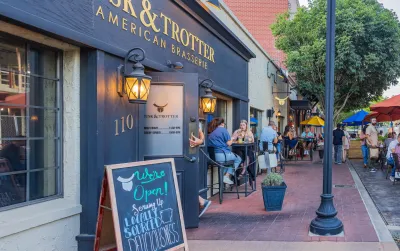
Once every two or three years, I visit the Congress for New Urbanism conference, where the nation’s leading experts on walkable development share their ideas. In mid-May, I attended the CNU conference in Fayetteville and Bentonville, Arkansas. Usually, the location of CNU conferences is determined by a variety of practical factors, such as the existence of a host committee eager to promote the conference and the existence of adequate hotel space. But because northwestern Arkansas was such an unusual location for a conference,* I began to ask the question: If such practical considerations were equal, what would be the ideal urbanism conference venue?
It seemed to me that the most interesting CNU conference venues have two things in common. First, they are cities that have never hosted CNU before. Second, they are cities with a New Urbanist development — that is, a walkable development that is also large enough to be a complete neighborhood or mini-town, rather than merely a few improved blocks in an existing neighborhood.
The second element is important because, for me, one highlight of CNU is its neighborhood tours. I have few opportunities outside CNU to see newer walkable areas (as opposed to century-old walkable neighborhoods, which my current home of New York City has in abundance).
Because CNU has been held in over thirty cities, most large, walkable cities flunk the first element of my test. Although there are still many large cities that have not hosted CNU, many of them do not satisfy the second element of my test because they do not seem to have New Urbanist developments as far as I can tell from the CNU database.**
After a little research, I found at least four cities that clearly meet both halves of my test: Tuscon, Norfolk, Orlando and St. Louis. None of these cities have hosted a CNU, and all four have New Urbanist developments.
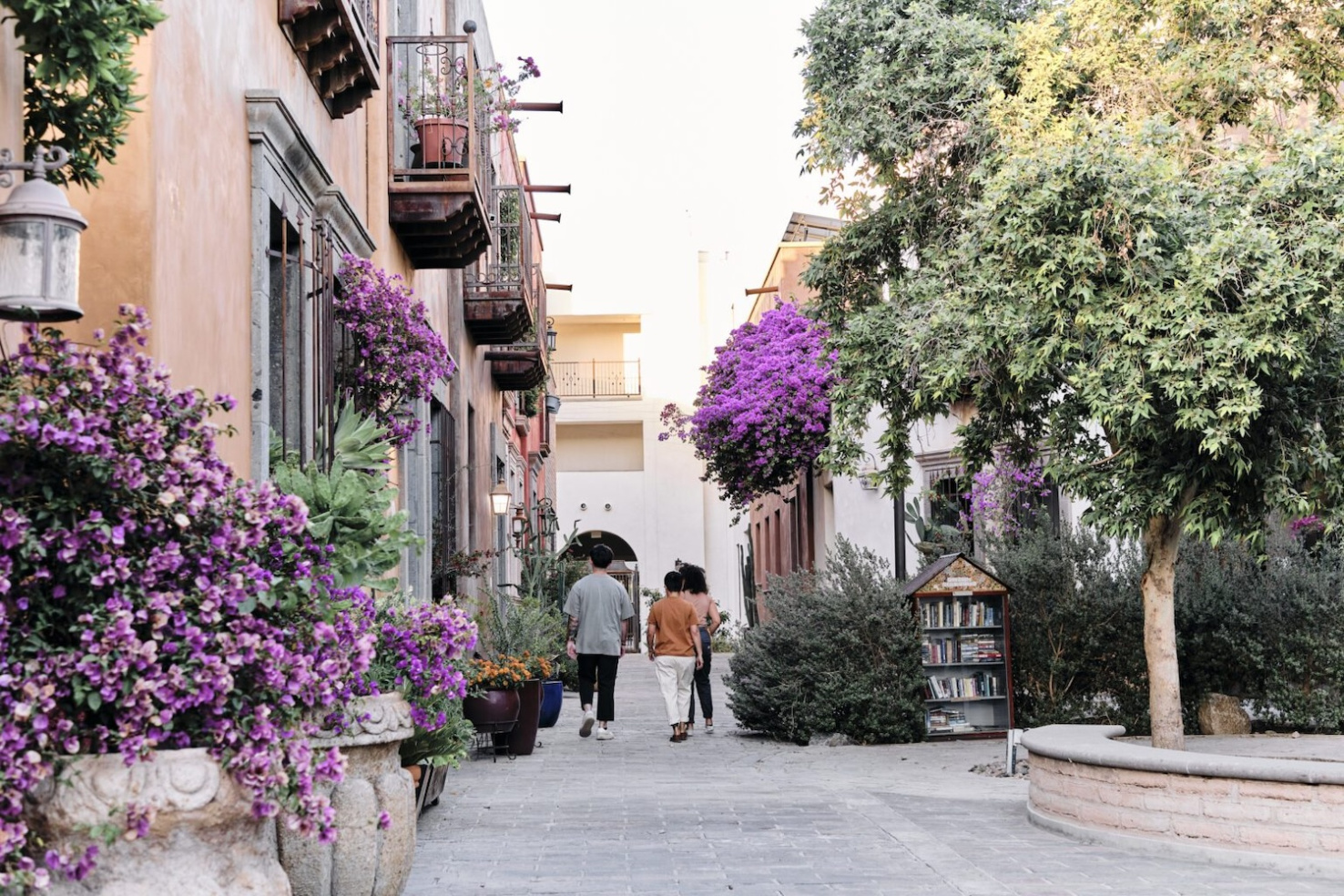
Tucson has two projects listed in the CNU database: Civano New Town (one of the oldest New Urbanist developments), and the newer Mercado District closer to downtown.
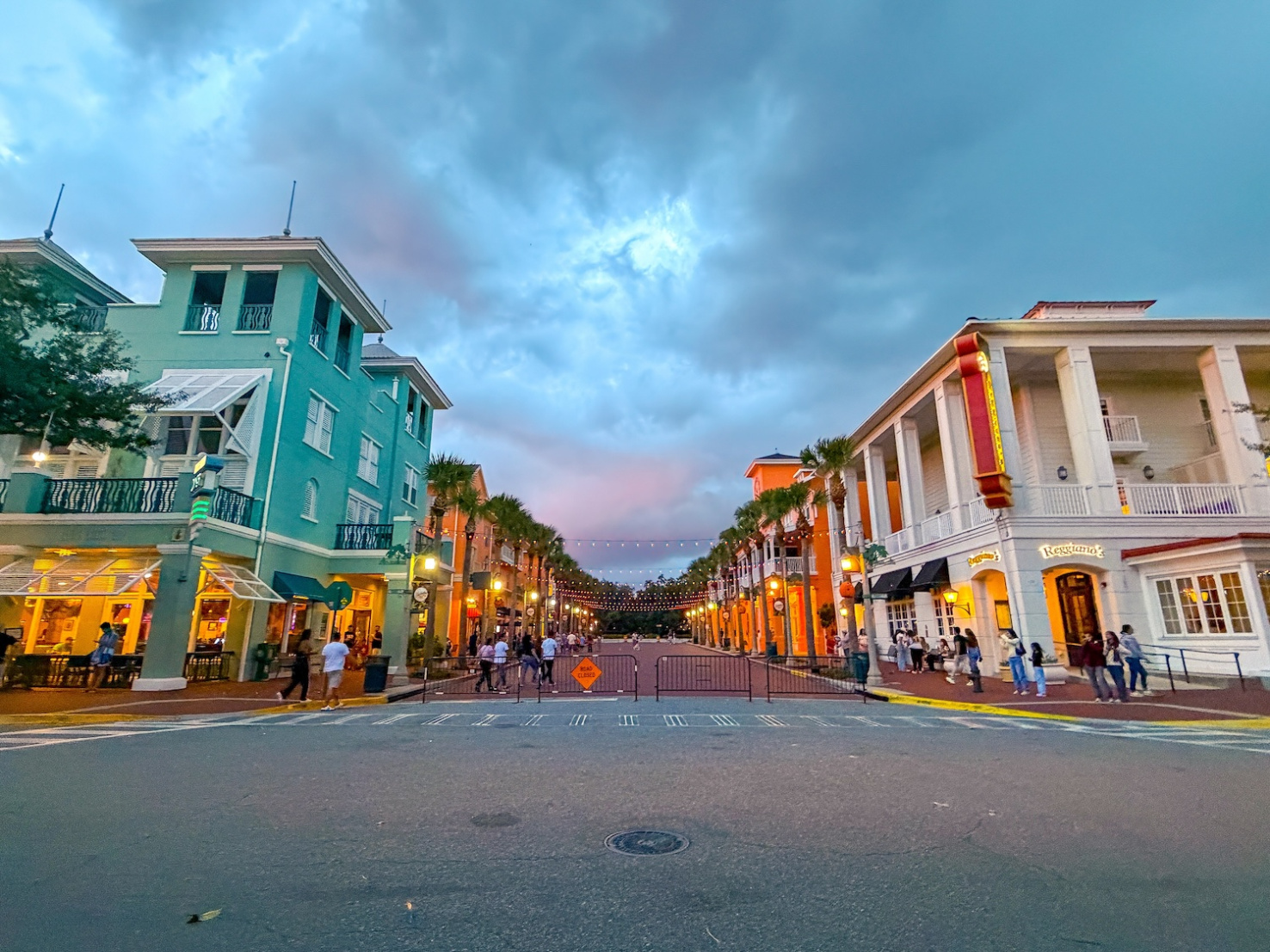
Orlando has multiple New Urbanist developments: Celebration is probably the most famous, but Baldwin Park, with over 7,000 residents, is one of the nation’s largest New Urbanist neighborhoods.
St. Louis has New Town at St. Charles, a twenty-year old exurban development (and more tourable historic, 'old urbanism' neighborhoods than Tucson or Orlando).
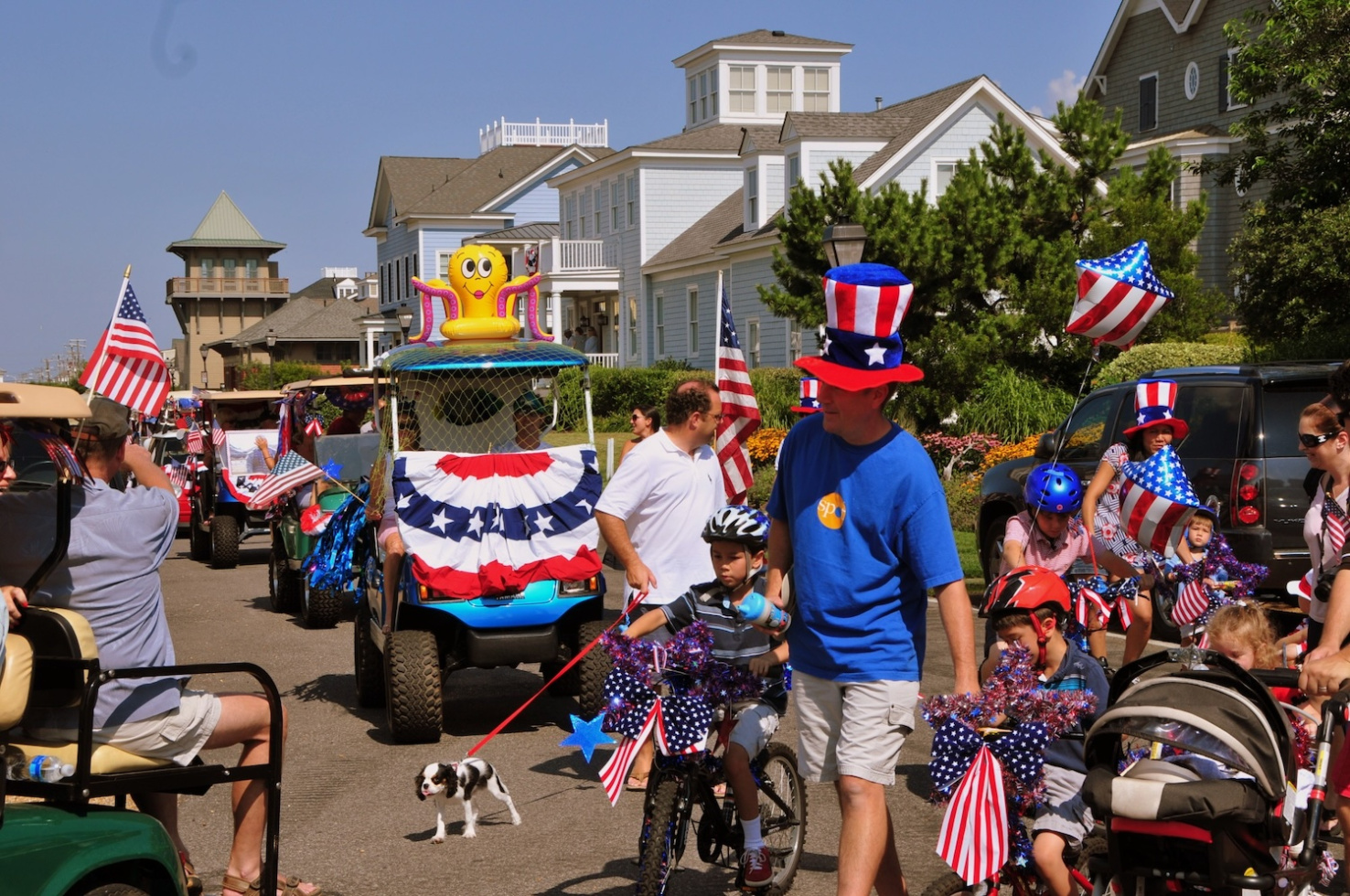
Norfolk has East Beach at the city’s northern edge, although Norfolk’s urban core seems to be a bit smaller than Tucson’s.
A few other Sunbelt cities are arguably two for two, but their New Urbanist options might be less tour-worthy than Tucson or Orlando. Phoenix is the largest city in this category: parking-free Cul-de-Sac in Tempe (a Phoenix inner-ring suburb) is in the CNU database; however, it is just one apartment complex intermingled with shops, and thus may be too small to be worth an extended visit. Moreover, Phoenix outside of Tempe is generally newer and less walkable than most Sunbelt cities.
Memphis has two developments in the CNU database: Harbor Town and Crosstown Concourse. However, the former is within walking distance of downtown (and thus of little interest to people interested in retrofitting suburbia) and the latter appears to be just one large building rather than a complete neighborhood. Nashville appears to have two neighborhoods in the CNU database, Sulphur Dell and Kirkpatrick Park; both are also within walking distance of downtown.
Of course, this does not exhaust the list of tour-worthy U.S. cities. For example, CNU has not yet met in Boston or Pittsburgh, which might not have well-known New Urbanist developments but which still have plenty of walkable "old urbanism." Because I live in the national capital of old urbanism (and have already visited Boston and Pittsburgh) I am not as excited to visit those places as I am to visit more walkable greenfield developments — but readers who have spent less time in older cities might disagree.
—
*I say this because 1) this was the first CNU conference in recent memory to be divided between two cities and 2) both cities are much smaller than our typical conference venue.
**Northwest Arkansas sort of satisfies this element, but not completely. One of this year’s tours involved two New Urbanist developments, but one (Har-Ber Meadows) seems more purely residential than a typical example, and another (Johnson Square) is still under construction.


Planetizen Federal Action Tracker
A weekly monitor of how Trump’s orders and actions are impacting planners and planning in America.

Amtrak, CN end decades-long dispute with eight-year agreement
The new operating agreement establishes an updated framework for the companies to work together, including processes to resolve disputes.

Northwest rail fans eager for Sept. 30 debut of Amtrak’s Airo fleet
Get ready for that new train smell and more seats. But they won’t go faster or run more frequently on the Cascades route in Washington and Oregon.

LAX SkyLink opening delayed again, contractor won’t commit to new deadline
The project was supposed to open its doors to the public in 2023.

Caltrain may slash over one-third of its stations
If Bay Area voters reject two transit tax measures, Caltrain, BART and AC Transit will see steep service cuts.

A 'dangerous' precedent: North Carolina successfully pressures communities into voting for toll roads
Two mayors resigned from the Charlotte Regional Transportation Planning Organization after it voted in favor of the toll roads.

FREE Course: Walkable City 1: Why Walkability?
After describing his path towards focusing on walkability as the essence of good planning, Jeff Speck marches through his five principal reasons for making more walkable places.
Reinventing Malls: Planning Alchemy—Turning Gray Fields Into Gold
The course focuses on the opportunities and imperatives that shape reinvention of mall sites.

City of Thousand Oaks
City of Wisconsin Rapids
Harvard University Graduate School of Design
The Architects Foundation
University of Cincinnati Online
The Pocatello Development Authority
The Urban Renewal Agency of the City of Pocatello

