The first phase of the Atlanta Streetcar is open to the public, though the city has big plans to extend the line. One planning academic hopes to redirect the planning process.


Mike Dobbins, professor of the practice of planning at Georgia Tech’s College of Architecture and a former commissioner of planning and community development for the city of Atlanta, reviews the planning and political decisions behind the Atlanta Streetcar. In December, the Atlanta City Council approved an extension of the existing streetcar route, including 22 miles of streetcar track running alongside the BeltLine.
Dobbins's review is a critical one, summarized by the following: "While the old railroad segments that make up the BeltLine make a lot of sense for a park and trail system, they are not a solution for the city’s transit problems…" After laying out what a comprehensive transit planning exercise would look like, Dobbins makes the following recommendation:
While a lot of time, money, and effort has gone into trying to make the “solution” fit the problem, with a successful referendum it is not too late to redirect the city’s efforts to catch up with commonsense transit planning. The Legislature last month enabled Atlanta to put forward a referendum in November 2016 or 2017 for a proposed half-percent increase in the city’s sales tax to raise $2.5 billion for transit construction.
According to Dobbins, reborn legislation that would allow Atlanta voters to decide on a half-cent transit tax offers a new chance to start holistic transit planning process.
Read the full story: Transit Planning 101 for the City of Atlanta: It’s not too late

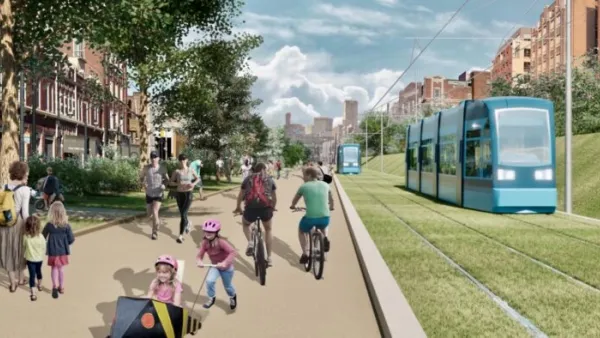
Atlanta Streetcar Expansion Still Moving Forward
MARTA has drastically reduced its plans to construct new rail transit, but one project still has political support from the top at City Hall.

Op-Ed: To Meet BeltLine's Affordable Housing Goals, Cut the Streetcar Plans
According to one argument, the importance of developing affordable housing is a higher priority for the Atlanta BeltLine than a streetcar. It's a question of scarce funding, and how to spend it to the greatest public benefit.

On Atlanta's BeltLine and 21st-Century Infrastructure
In an interview, Atlanta BeltLine visionary Ryan Gravel discusses the ongoing project and how it fits an emerging, multidisciplinary understanding of what good infrastructure can be.

Planetizen Federal Action Tracker
A weekly monitor of how Trump’s orders and actions are impacting planners and planning in America.

Amtrak, CN end decades-long dispute with eight-year agreement
The new operating agreement establishes an updated framework for the companies to work together, including processes to resolve disputes.

Judges permit Denver to divert 77,000 acre feet from the Colorado River for reservoir expansion
Overuse and climate change have caused the Colorado River’s water levels to plummet.

NYC DOT wants faster, more permanent street upgrades
The city is examining ways to build more concrete infrastructure without getting entangled in 'decades-long' projects.

'Something we’ve never seen before:' rising utility rates could strain city finances nationwide
Data centers, climate change and other factors have caused utility rates in the United States to increase by 38% since 2020.

Trump to overrule local leaders, lease millions of acres of America’s Pacific Island territories’ seafloors to mining companies
International law says that the Indigenous people of America’s territories have a right to prior and informed consent regarding projects that impact their countries.

FREE Course: Walkable City 1: Why Walkability?
After describing his path towards focusing on walkability as the essence of good planning, Jeff Speck marches through his five principal reasons for making more walkable places.
Reinventing Malls: Planning Alchemy—Turning Gray Fields Into Gold
The course focuses on the opportunities and imperatives that shape reinvention of mall sites.

Harvard University Graduate School of Design
KFH Group Inc.
Greater Baltimore Committee
The Architects Foundation
University of Cincinnati Online
The Pocatello Development Authority
The Urban Renewal Agency of the City of Pocatello