





















In a photo essay on small homes and the people who love them, Sightline Fellow Alyse Nelson explains the attraction of compact living and the ways in which small homeowners are living it up by scaling down.


Motivated by a range of factors - from affordability to sustainability to connectivity - a diverse cross-section of residents are moving into "doll houses" that range from 800 square feet to less than 100 square feet — "a far cry from the 1000 square feet per person that has become the North American norm."
Denizens of the Pacific Nothwest have a particular affinity for the increasingly popular housing type. According to Nelson, "Seattle and Vancouver both adopted rules for backyard cottages in 2009. Portland has allowed accessory dwellings since 1998; but when the city relaxed size restrictions and waived development charges in 2010, it unleashed a renaissance in small home building."
Aside from the benefits to homeowners, such developments are a boon to their wider neighborhoods by "allowing schools to stay open, giving neighborhood businesses more customers, making transit service cost-effective, and saving on infrastructure costs." Plus, adds Nelson, "[i]nfilling neighborhoods with backyard cottages helps add more people to a neighborhood, without altering its character."
"The recession and housing crisis, combined with changing demographics, have led many of us to reevaluate what we want in a home," explains Nelson. "More and more folks are looking for homes within walking distance of jobs, stores, and transit—and have proven willing to trade square footage for a vibrant neighborhood. At the same time, millennials increasingly look for alternatives to the car; baby boomers have reached the age where they don’t need a big home in the ‘burbs; and more and more families are choosing to live in multi-generational households."
"Tiny houses are a great solution for all these needs."
FULL STORY: Living Large in Small Houses

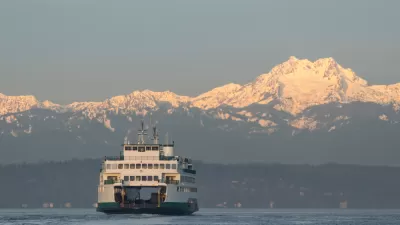
Cascadia Expects Millions of New Residents. Should it Build New Cities or New Density?
A recent report calls for the region stretching from Oregon to British Columbia to think big about accommodating expected population growth. The report's recommendation to build four new, large cities isn't universally accepted, however.
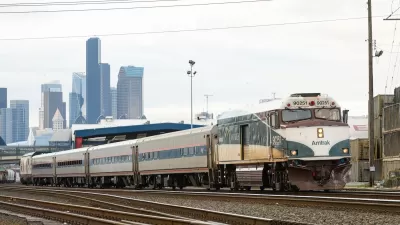
Amtrak Cascades Line Breaks Ridership Record
The route linking Portland, Seattle, and Vancouver, BC served nearly one million riders in 2024.
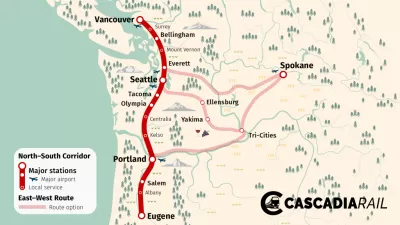
Cascadia High-Speed Rail Corridor Seeking Federal Funding
The state of Washington is hoping federal infrastructure funding can pay for $198 million of the $348 million necessary to plan the Cascadia High-Speed Rail project.

Planetizen Federal Action Tracker
A weekly monitor of how Trump’s orders and actions are impacting planners and planning in America.

Chicago’s Ghost Rails
Just beneath the surface of the modern city lie the remnants of its expansive early 20th-century streetcar system.
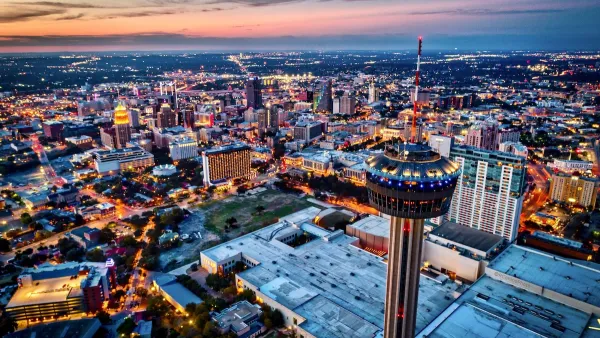
San Antonio and Austin are Fusing Into one Massive Megaregion
The region spanning the two central Texas cities is growing fast, posing challenges for local infrastructure and water supplies.

Since Zion's Shuttles Went Electric “The Smog is Gone”
Visitors to Zion National Park can enjoy the canyon via the nation’s first fully electric park shuttle system.

Trump Distributing DOT Safety Funds at 1/10 Rate of Biden
Funds for Safe Streets and other transportation safety and equity programs are being held up by administrative reviews and conflicts with the Trump administration’s priorities.

German Cities Subsidize Taxis for Women Amid Wave of Violence
Free or low-cost taxi rides can help women navigate cities more safely, but critics say the programs don't address the root causes of violence against women.

Urban Design for Planners 1: Software Tools
This six-course series explores essential urban design concepts using open source software and equips planners with the tools they need to participate fully in the urban design process.
Planning for Universal Design
Learn the tools for implementing Universal Design in planning regulations.

planning NEXT
Appalachian Highlands Housing Partners
Mpact (founded as Rail~Volution)
City of Camden Redevelopment Agency
City of Astoria
City of Portland
City of Laramie