


























Peter R. Orszag, President Obama's former director of the Office of Management and Budget, pens an article on Atlanta's water war, and the coming flood of water crisis that await the United States.


As the largest city in the U.S. that is not near a major body of water, Atlanta's thirst for drinking water to supply its growing population has caused a nasty conflict with its neighbors that has been brewing for the past couple of decades. While temporarily unresolved as the courts weigh in, Atlanta's water wars are a sign of things to come, notes Orszag:
"As Deane Dray and other colleagues of mine at Citigroup Inc. have written, 'There is an alarming global supply-demand imbalance, worsened by pollution and draining of underground aquifers reducing the available fresh water supply.' The massive Ogallala aquifer under the Great Plains, for example, is projected to run dry in two to three decades given recent withdrawal rates. Similarly, in the past two decades, groundwater resources in Great Lakes communities like Chicago and Milwaukee have fallen by 1,000 feet."
At the same time that the supply issue grows, a delivery problem grows along with it. "Our aging water pipes are another challenge. The U.S. has roughly 700,000 miles of these pipes, and most are more than 60 years old. Substantial investment is needed to fix or replace them," writes Orszag.
As for solutions for these challenges, Orszag proposes starting with adjusting water prices to reflected usage, and utilizing low interest rates to finance investment in new technologies and replacement pipes.
FULL STORY: Atlanta’s Water War Is First in a Gathering Flood

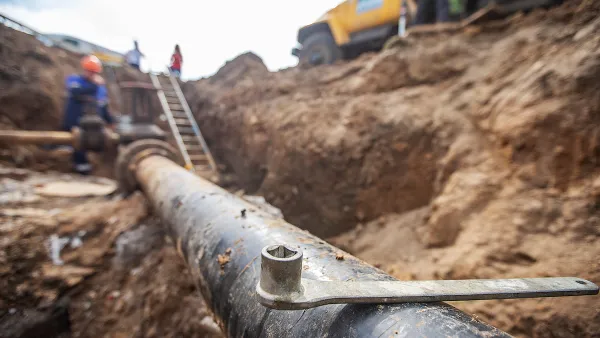
EPA Calls for Eliminating Lead Water Pipes in 10 Years
The mandate doesn’t include additional funding, prompting backlash from utility companies.
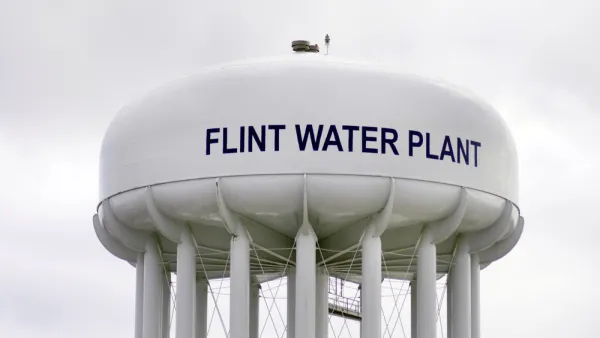
$170 Million for Flint Water Pipes a Step Closer to Congressional Funding
An amendment to the Water Resources Development Act (WRDA) that would provide $170 million to replace contaminated water pipes is headed to the 11th hour of the Congressional session.
How the U.S. Environmental Protection Agency Failed the People of Flint
While blame squarely lays with Michigan state officials, agencies, and possibly Gov. Rick Snyder himself, the EPA also played a role by both detecting the cause of the problem but not acting on the reports of improper treatment of river water.

Planetizen Federal Action Tracker
A weekly monitor of how Trump’s orders and actions are impacting planners and planning in America.
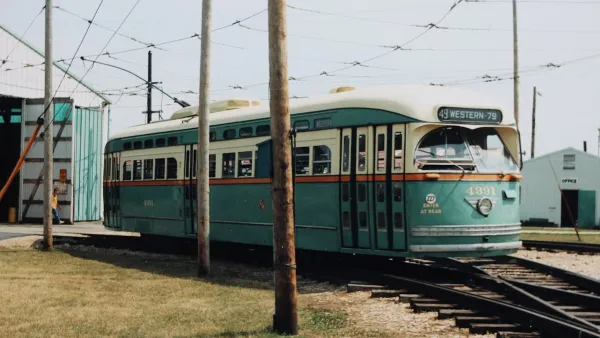
Chicago’s Ghost Rails
Just beneath the surface of the modern city lie the remnants of its expansive early 20th-century streetcar system.
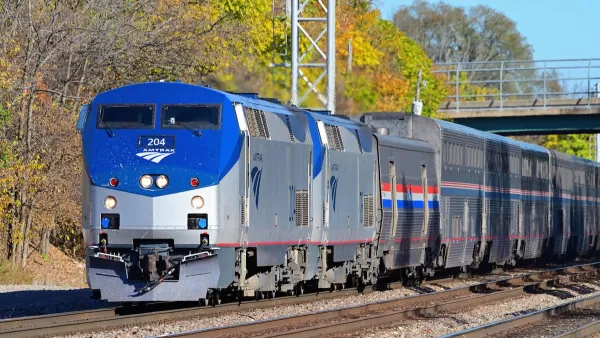
Amtrak Cutting Jobs, Funding to High-Speed Rail
The agency plans to cut 10 percent of its workforce and has confirmed it will not fund new high-speed rail projects.

Ohio Forces Data Centers to Prepay for Power
Utilities are calling on states to hold data center operators responsible for new energy demands to prevent leaving consumers on the hook for their bills.

MARTA CEO Steps Down Amid Citizenship Concerns
MARTA’s board announced Thursday that its chief, who is from Canada, is resigning due to questions about his immigration status.

Silicon Valley ‘Bike Superhighway’ Awarded $14M State Grant
A Caltrans grant brings the 10-mile Central Bikeway project connecting Santa Clara and East San Jose closer to fruition.

Urban Design for Planners 1: Software Tools
This six-course series explores essential urban design concepts using open source software and equips planners with the tools they need to participate fully in the urban design process.
Planning for Universal Design
Learn the tools for implementing Universal Design in planning regulations.

Caltrans
City of Fort Worth
Mpact (founded as Rail~Volution)
City of Camden Redevelopment Agency
City of Astoria
City of Portland
City of Laramie