A vibrant neighborhood is rising on Manhattan's far west side, where the Stadium and complex would have been built as proposed by the New York's bid to host the 2012 Olympic Games.


The Bloomberg administration repurposed many elements of the bid to create Hudson Yards, the commercial and residential district taking shape west of eighth Avenue, a once desolate are of factories, lofts and parking lots between 30th and 43rd streets. Since 2005, the year the bid was rejected in favor of London, fifteen towers have been constructed and a dozen hotels have arrived and now compete for customers.
Mayor Bloomberg has admitted in interviews that he "hates to lose," and so elected to push ahead with many of the redevelopment plans contained in the Olympic bid. "We thought the Olympics would be the catalyst to get a lot of things that many people thought the city needed," he said. "In fact, many got done" anyway. From the start of his mayoralty, Bloomberg had made the Olympics, as well redevelopment of the West Side, his priorities.
Read the full story: On Far West Side, Bloomberg's Failed Olympic Plan Spurs Development
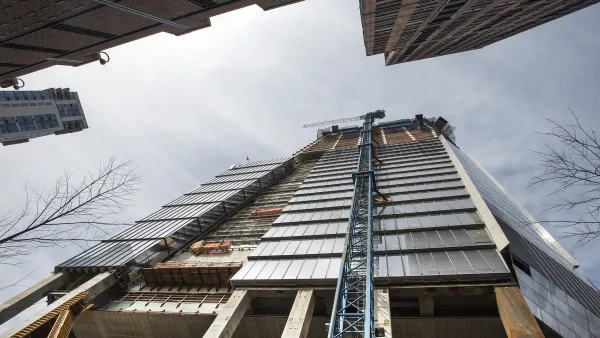
Manhattan's Hudson Yards 'Mini-City' Back on Track
Stymied for a time by lackluster investment, planned redevelopment of Hudson Yards on Manhattan's West Side is picking up speed. Joining residential buildings and budget hotels, office towers will bring municipal revenues back up.
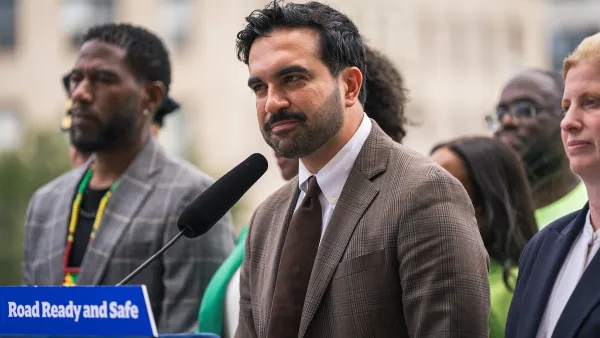
NYC votes to cut outdoor dining red tape, speed up permitting
New York City also voted to allow the Department of Transportation to begin work on urgent projects before notifying elected officials.
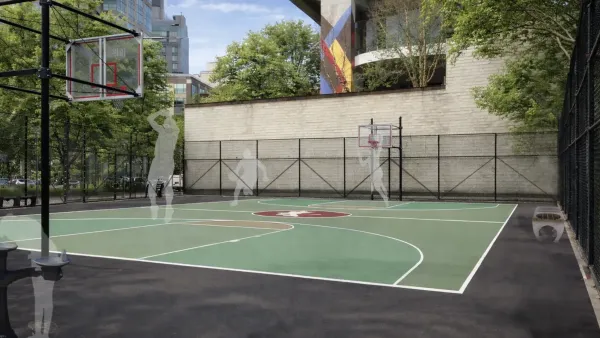
MTA gives itself 30 days to transform pit into basketball court
The site has been under construction since 2022; the city originally estimated it would finish the court in 2024.

Planetizen Federal Action Tracker
A weekly monitor of how Trump’s orders and actions are impacting planners and planning in America.

California plans to bury El Niño’s downpour
If the state plays its cards right, it may be able to store a billion acre-feet of El Niño’s water in aquifers.

Desperate measures: Advocates weigh draining Lake Powell to fill Colorado River
Draining the reservoir could reduce evaporation losses by a couple hundred thousand acre-feet.

Chicago voters approve permanent festival grounds, penalty for vacant property owners
Currently, major summer and fall festivals take over public parks for weeks at a time, drawing criticism from nearby residents

NYC votes to cut outdoor dining red tape, speed up permitting
New York City also voted to allow the Department of Transportation to begin work on urgent projects before notifying elected officials.

California appears to reject Prop. 45
The proposition would have expanded the projects that qualify for a streamlined environmental review, effectively paring down the California Environmental Quality Act.

FREE Course: Walkable City 1: Why Walkability?
After describing his path towards focusing on walkability as the essence of good planning, Jeff Speck marches through his five principal reasons for making more walkable places.
Reinventing Malls: Planning Alchemy—Turning Gray Fields Into Gold
The course focuses on the opportunities and imperatives that shape reinvention of mall sites.

City of Rosemead
Rutgers University, Edward J. Bloustein School of Planning and Public Policy
One Hundred Miles
Hunter College, City University of New York (CUNY)
The Architects Foundation
University of Cincinnati Online
City of Cambridge
Montrose County
The Pocatello Development Authority