Los Angeles is planning to undertake a year-long experiment in demand-based pricing on parking in its downtown. The dynamic parking system will be put in place next summer.


Similar to the demand-based dynamic pricing system now in place in parts of San Francisco, L.A.'s pricing system would charge variable rates at parking meters in the downtown area. The program would also be able to keep track of how many spaces are being used, and help direct drivers to empty spots.
"The yearlong ExpressPark program, slated to begin next summer, will use not only new meters but also a network of wireless pavement sensors to keep track of parked vehicles in real time. The sensors will help transportation officials determine which meters are in use and which have expired. Eventually, roadside signs will guide motorists to empty spaces in municipal parking garages and lots.
The program - which involves only city-owned parking in a 4.5-square-mile area - will feature adjustable parking rates, or "dynamic pricing." In other words, when parking demand increases, meter rates increase; when demand drops, rates drop."
Read the full story: L.A. program aims to make parking easier

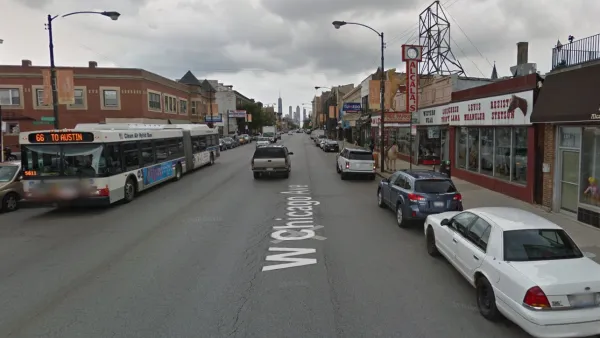
Opinion: Chicago Needs an Office of Parking Management
The city of Chicago needs a local agency empowered to planning, studying, or managing parking, according to a recent opinion piece published by Streetsblog Chicago.

Dynamic Parking Prices Coming to Milwaukee
One of the key elements of progressive parking policy, as recommended by Donald Shoup, is on the way to the on-street parking meters in the city of Milwaukee.
The Golden State of Disabled Drivers
"Something is wrong," proclaimed Los Angeles Assemblyman Mike Gatto (D), "when one in eight California drivers claims a disability." Gatto has introduced two bills: one to address disabled parking, the other could promote variable pricing of parking.

Planetizen Federal Action Tracker
A weekly monitor of how Trump’s orders and actions are impacting planners and planning in America.

California plans to bury El Niño’s downpour
If the state plays its cards right, it may be able to store a billion acre-feet of El Niño’s water in aquifers.

Chicago breaks ground on $3 billion megadevelopment
The new neighborhood, titled Foundry Park, will one day host 3,700 residences.

California High-Speed Rail Authority CEO resigns after $600,000 scandal
Under Ian Choudri, the authority used taxpayer dollars to fund first class flights and trips to nightclubs.

Want to study the Missouri River? Soon, you may need unanimous approval from 10 states
Legislation would require 10 governors’ permission to study or build projects moving water outside the basin.

Desperate measures: Advocates weigh draining Lake Powell to fill Colorado River
Draining the reservoir could reduce evaporation losses by a couple hundred thousand acre-feet.

FREE Course: Walkable City 1: Why Walkability?
After describing his path towards focusing on walkability as the essence of good planning, Jeff Speck marches through his five principal reasons for making more walkable places.
Reinventing Malls: Planning Alchemy—Turning Gray Fields Into Gold
The course focuses on the opportunities and imperatives that shape reinvention of mall sites.

City of Rosemead
Rutgers University, Edward J. Bloustein School of Planning and Public Policy
One Hundred Miles
Hunter College, City University of New York (CUNY)
The Architects Foundation
University of Cincinnati Online
City of Cambridge
Montrose County
The Pocatello Development Authority