




















A string of connected parks laced through cities has been a vision of city planners since the days of Olmsted. Ben Welle of the Center for City Park Excellence has some ideas how that that vision can be implemented today.


Welle details how rail corridors, waterfronts and stream corridors, easements, underused streets, bike boulevards and cycle tracks can be used to connect parks into a network.
Welle writes, "All of these ways can be used to create linkages - one system may include an old rail corridor, a stream or river, an existing parkway and upgrading streets where none of those are possible.
Years ago, Frederick Law Olmsted remarked that no one should be a long walk's time from parkways, and that the citizens using them, whether going to and from a park, or to and from some form of business, may gain some 'substantial recreative advantage.' Today, it's not that different of a story."
FULL STORY: Getting Park Connectivity in Built-Out Cities

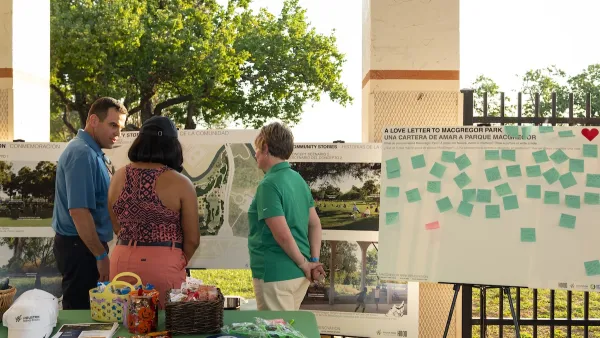
Public and Private Collaboration Advances Park Development in Houston
Houston may be known to some as a concrete jungle, but its greenspaces continue to expand thanks to combined support from the public, private, and philanthropic sectors.

After the Fires: Challenges and Efforts to Heal LA’s Parks and Trails
The recent LA wildfires have devastated parks and trails, with recovery efforts requiring extended closures, collaborative restoration plans, and community support to address extensive damage and long-term risks like landslides.
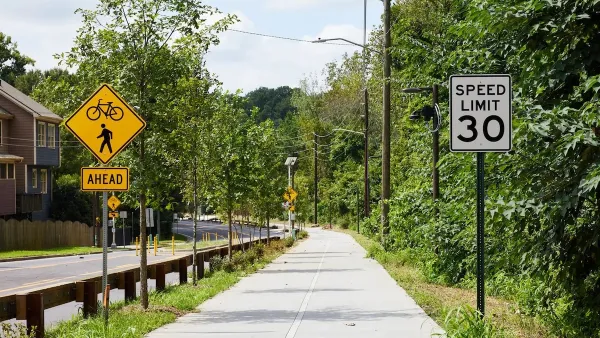
Atlanta Beltline Expands Westside Trail and Redevelops Rail Corridor
The Beltline is expanding the Westside Trail with new sections, including the Kudzu Trail, while also redeveloping abandoned rail corridors, with completion expected between 2025 and 2027.

Planetizen Federal Action Tracker
A weekly monitor of how Trump’s orders and actions are impacting planners and planning in America.
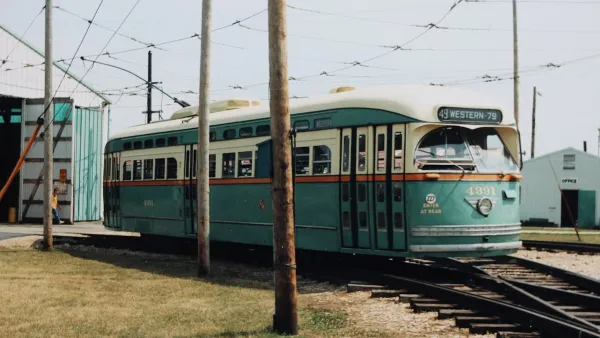
Chicago’s Ghost Rails
Just beneath the surface of the modern city lie the remnants of its expansive early 20th-century streetcar system.
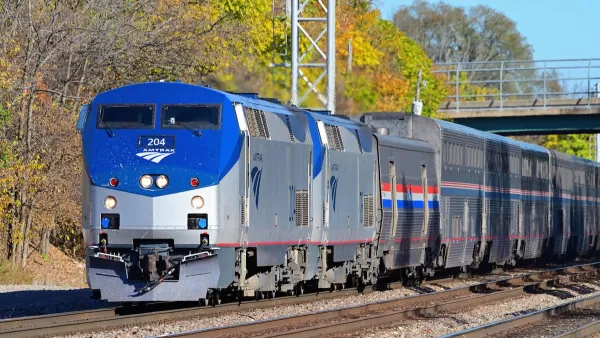
Amtrak Cutting Jobs, Funding to High-Speed Rail
The agency plans to cut 10 percent of its workforce and has confirmed it will not fund new high-speed rail projects.

Ohio Forces Data Centers to Prepay for Power
Utilities are calling on states to hold data center operators responsible for new energy demands to prevent leaving consumers on the hook for their bills.

MARTA CEO Steps Down Amid Citizenship Concerns
MARTA’s board announced Thursday that its chief, who is from Canada, is resigning due to questions about his immigration status.

Silicon Valley ‘Bike Superhighway’ Awarded $14M State Grant
A Caltrans grant brings the 10-mile Central Bikeway project connecting Santa Clara and East San Jose closer to fruition.

Urban Design for Planners 1: Software Tools
This six-course series explores essential urban design concepts using open source software and equips planners with the tools they need to participate fully in the urban design process.
Planning for Universal Design
Learn the tools for implementing Universal Design in planning regulations.

Caltrans
City of Fort Worth
Mpact (founded as Rail~Volution)
City of Camden Redevelopment Agency
City of Astoria
City of Portland
City of Laramie