






















Vancouver, Washington's Main St. had languished for years, until city officials turned the street back to two-way traffic. Everyone was surprised at how much difference it made.


"Within a few weeks, the entire business community was celebrating. 'We have twice as many people going by as they did before,' one of the employees at an antique store told a local reporter. The chairman of the Vancouver Downtown Association, Lee Coulthard, sounded more excited than almost anyone else. 'It's like, wow,' he exclaimed, 'why did it take us so long to figure this out?'
A year later, the success of the project is even more apparent."
FULL STORY: The Return of the Two-Way Street

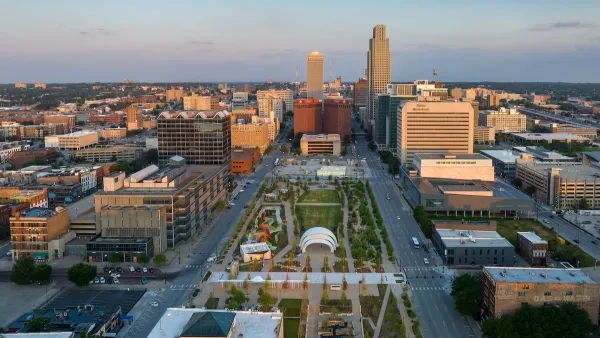
Downtown Omaha Planning for its Post-One-Way-Streets Era
The Omaha City Council has decided to reverse the transportation model adopted in the city in the 1950s, for the benefit of traffic safety and local retail activity.
In Planning, Reality Can Be Worse Than Fiction
The Showtime Series Penny Dreadful portrays a bleak vision of 1940s Los Angeles. But, unencumbered by regulations and zoning laws, it also displays what great urban neighborhoods can look like.
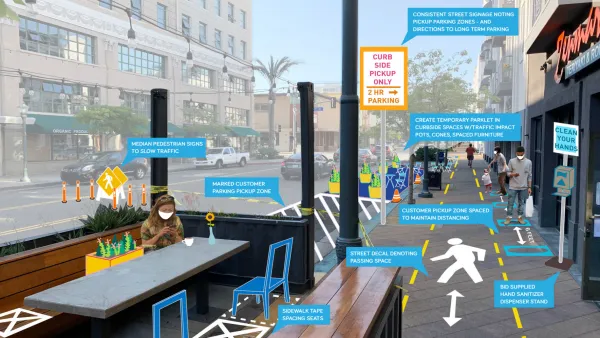
Reopening Main Street
A Long Beach-based urban design firm shares design tips for reopening main streets while balancing public health and economic concerns—making space for parklets, pedestrians, and al fresco dining.

Planetizen Federal Action Tracker
A weekly monitor of how Trump’s orders and actions are impacting planners and planning in America.
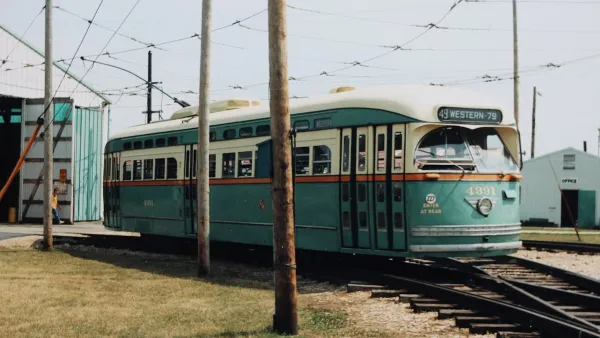
Chicago’s Ghost Rails
Just beneath the surface of the modern city lie the remnants of its expansive early 20th-century streetcar system.
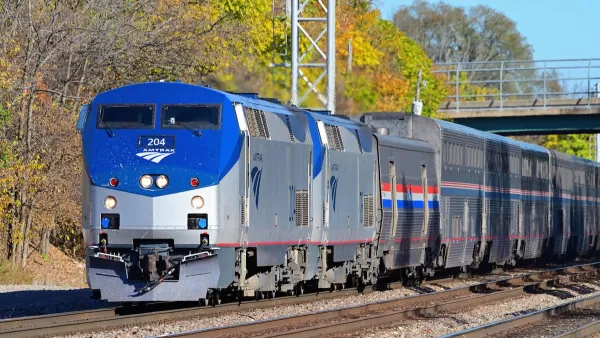
Amtrak Cutting Jobs, Funding to High-Speed Rail
The agency plans to cut 10 percent of its workforce and has confirmed it will not fund new high-speed rail projects.

Ohio Forces Data Centers to Prepay for Power
Utilities are calling on states to hold data center operators responsible for new energy demands to prevent leaving consumers on the hook for their bills.

MARTA CEO Steps Down Amid Citizenship Concerns
MARTA’s board announced Thursday that its chief, who is from Canada, is resigning due to questions about his immigration status.

Silicon Valley ‘Bike Superhighway’ Awarded $14M State Grant
A Caltrans grant brings the 10-mile Central Bikeway project connecting Santa Clara and East San Jose closer to fruition.

Urban Design for Planners 1: Software Tools
This six-course series explores essential urban design concepts using open source software and equips planners with the tools they need to participate fully in the urban design process.
Planning for Universal Design
Learn the tools for implementing Universal Design in planning regulations.

Caltrans
City of Fort Worth
Mpact (founded as Rail~Volution)
City of Camden Redevelopment Agency
City of Astoria
City of Portland
City of Laramie