






















Interconnectedness is just as important to brains as it is to cities, according to researchers who've just released a study about the organizational similarities between cities and brains.


"Just as advanced mammalian brains require a robust neural network to achieve richer and more complex thought, large cities require advanced highways and transportation systems to allow larger and more productive populations. The new study unearthed a striking similarity in how larger brains and cities deal with the difficult problem of maintaining sufficient interconnectedness."
The internal infrastructures of both brains and cities were shown to scale up as they increase in size -- for example, a human brain will have more infrastructure than a dog brain, and Chicago (227.1 sq. miles) has more infrastructure than Seattle (83.9 sq. miles).
Thanks to The Infrastructurist
FULL STORY: Ego City: Cities Are Organized Like Human Brains

Feature Doc on Urban Design Out Soon (Trailer)
Urbanized is a feature-length documentary about the design of cities, which looks at the issues and strategies behind urban design and features some of the world’s foremost architects, planners, policymakers, builders, and thinkers.
Forget Cities - It's Regions and Neighborhoods That Matter
When it comes to economics, statistics, demographics, development, and our daily actions, city lines don't count for much - neighborhoods and regions are where things happen, says Kaid Benfield.
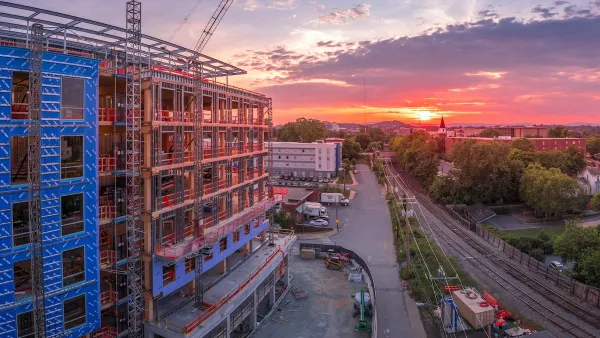
Charlottesville Temporarily Has No Zoning Code
A judge ordered the Virginia city to throw out its newly revised zoning code, leaving permitting for new development in legal limbo.
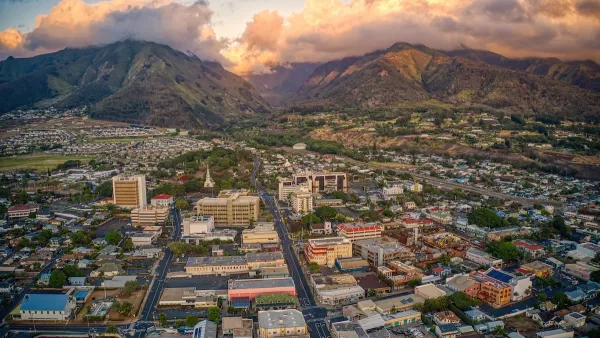
Maui's Vacation Rental Debate Turns Ugly
Verbal attacks, misinformation campaigns and fistfights plague a high-stakes debate to convert thousands of vacation rentals into long-term housing.

Planetizen Federal Action Tracker
A weekly monitor of how Trump’s orders and actions are impacting planners and planning in America.
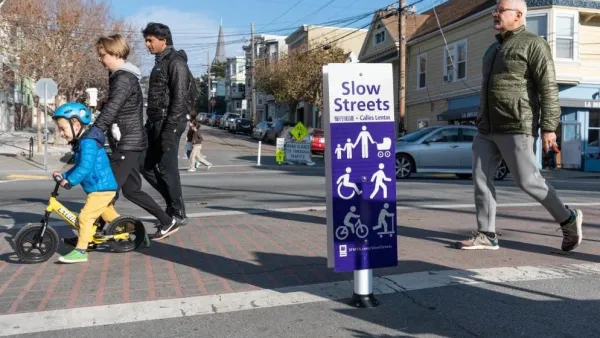
San Francisco Suspends Traffic Calming Amidst Record Deaths
Citing “a challenging fiscal landscape,” the city will cease the program on the heels of 42 traffic deaths, including 24 pedestrians.

Defunct Pittsburgh Power Plant to Become Residential Tower
A decommissioned steam heat plant will be redeveloped into almost 100 affordable housing units.

Trump Prompts Restructuring of Transportation Research Board in “Unprecedented Overreach”
The TRB has eliminated more than half of its committees including those focused on climate, equity, and cities.

Amtrak Rolls Out New Orleans to Alabama “Mardi Gras” Train
The new service will operate morning and evening departures between Mobile and New Orleans.

Urban Design for Planners 1: Software Tools
This six-course series explores essential urban design concepts using open source software and equips planners with the tools they need to participate fully in the urban design process.
Planning for Universal Design
Learn the tools for implementing Universal Design in planning regulations.

Heyer Gruel & Associates PA
JM Goldson LLC
Custer County Colorado
City of Camden Redevelopment Agency
City of Astoria
Transportation Research & Education Center (TREC) at Portland State University
Jefferson Parish Government
Camden Redevelopment Agency
City of Claremont