Pedestrian and bicycle infrastructure is a part of transportation, whether some elected officials like it or not. In this piece from Citiwire, Neal Peirce writes that this fact is becoming increasingly clear.


"A top new argument: obesity. A stunning 34 percent of adult Americans are currently obese, another 32 percent clearly overweight, according to the Centers for Disease Control and Prevention. Excessive weight now causes more deaths than smoking. If the fat crisis can't be dealt with, rising levels of heart disease and diabetes will assuredly swamp the nation's efforts to reduce spiraling health costs.
What's the answer? Yes, diet. But more physical activity, too. We've allowed autos to carry us everywhere, even walkable distances of less than a mile (and even, in many cases, to the gym)! Our bodies fatten inexorably. One estimate of the country's annual medical bill for physical inactivity: $117 billion."
FULL STORY: Biking and Walking: Our Secret Weapon?

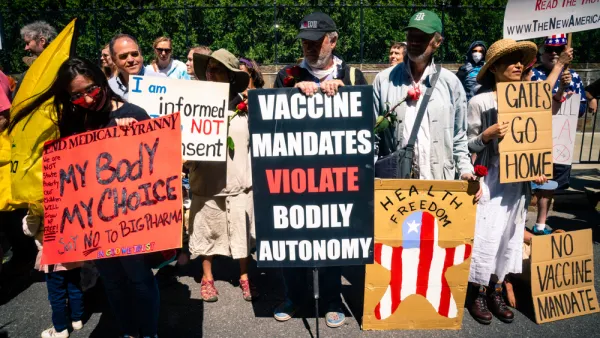
The Shifting Demographics of Covid-19
For most of the Covid-19 pandemic, Black Americans died at much higher rates than White Americans. That trend has reversed at times during the past year.
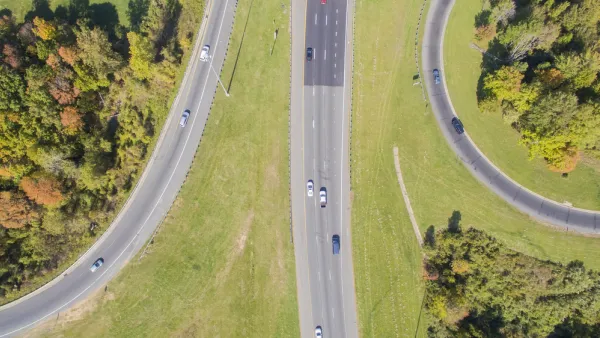
Obesity Tied to Suburban Life
London-based study ties obesity to sprawl and finds that suburbs have a bigger obesity problem than rural areas.
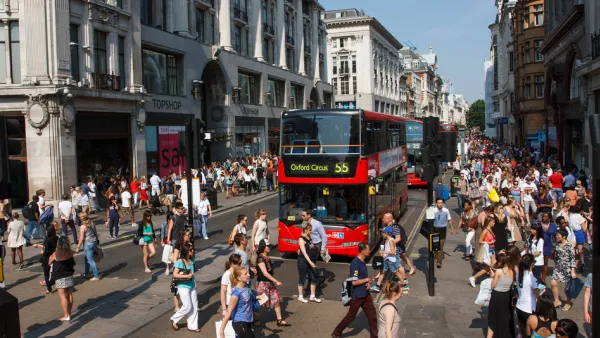
Study Touts the Public Health Benefits of Dense, Urban Living
A study of British cities find people living in dense urban cores are less likely to struggle with obesity and more likely to exercise—signs of higher quality of life—than their counterparts in suburban environments.

The state-sanctioned urbicide of Austin
People don’t kill cities. Freeways do.

US to reduce Colorado River water deliveries to Mexico
A new Colorado Treaty amendment reduces Mexico’s Colorado River water allocation by 250,000 acre feet.

New Jersey’s second-largest city bans standalone data centers
Jersey City will continue to allow co-location facilities, such as those meant for research institutions that store their own data.

Amtrak not solely to blame for New Jersey commuter rail's unreliability, report finds
A new study from the Garden State Initiative found that NJ Transit’s budget grew 20% across a 4 year period, but reliability declined significantly over the same period.

EPA erases limits on planet-warming pollution from power plants
Under Monday’s plan, power plants would still have some limits on how much mercury, arsenic and other contaminants they can emit.

Phoenix announces new on-demand transit service, more frequent RAPID buses
Both new services will launch in October, and are part of Phoenix's Project Effective Access Solutions for Easing Congestion.

FREE Course: Walkable City 1: Why Walkability?
After describing his path towards focusing on walkability as the essence of good planning, Jeff Speck marches through his five principal reasons for making more walkable places.
Reinventing Malls: Planning Alchemy—Turning Gray Fields Into Gold
The course focuses on the opportunities and imperatives that shape reinvention of mall sites.

Eagle County Government
Harvard University Graduate School of Design
Nashville Planning Department
The Architects Foundation
University of Cincinnati Online
The Pocatello Development Authority
The Urban Renewal Agency of the City of Pocatello
Journal of the American Planning Association