


















John Norquist presents CNUs recommendations for improving the American Recovery and Reinvestment Economic Recovery Bill, including more funding for transit and smarter road building.


"Americans need a bill that serves their urgent short-term needs (jobs) without undermining their long-term needs (a transportation system that makes life more convenient and functions well on less oil).
They may still get that bill, if they rally around a couple clear priorities:
1) Join with the smart growth coalition Transportation for America in calling for the bill envisioned by Transportation Committee Chair James Oberstar, with billions more for Amtrak and existing public transportation systems - plus provisions for prioritizing repair of dangerous bridges over highway expansions.
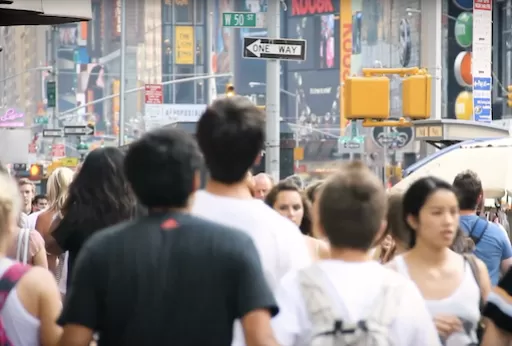
2) Urge Congress and the Obama Administration to go one step further, directing the bill's pavement dollars not just to gas-intensive highways (and major bridges) but to the walkable streets on compact blocks that support good transit-service and lively sustainable neighborhoods. There are plenty of these walkable streets in big cities, walkable suburbs and small towns across America. They're where our transportation system functions most efficiently and adds lasting economic value – and CNU and partners have a practical proposal into Congress for identifying and funding them.
A good Economic Recovery and Reinvestment bill will invest strategically in streets and transit - and give the Obama Administration a home run, not just more spending on the status quo."
FULL STORY: There’s Still Time for the Stimulus Bill to Get Rail and Roads Right

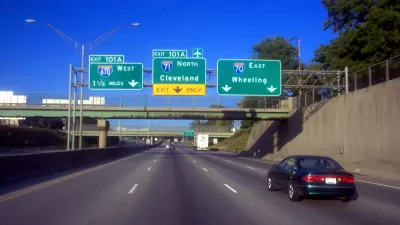
The 'INVEST in America Act' Would Help States Kick the Highway Habit
While Congress debates its bipartisan infrastructure deal, a House-approved bill, the INVEST in America Act, waits in the wings with the potential to alter the direction of transportation planning in the United States.
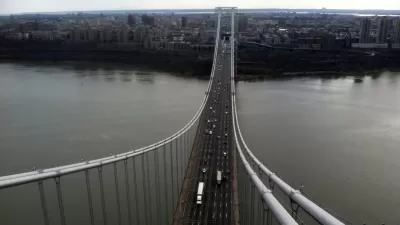
Updated: Strong Towns: Bipartisan Infrastructure Bill Would 'Make our Infrastructure Crisis Worse'
To some, the agreement promises too much funding for traditional infrastructure programs rather than 'adaptations and innovations.'
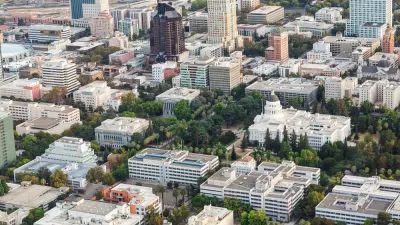
Direct Payment, Rent Relief, Homelessness Funding in Expanded 'California Comeback Plan'
Nearly 6 million Californians will receive $600 in economic stimulus checks as the state makes a plan to spend its surprise, massive budget surplus. $2.6 million for rent relief and $2 billion to pay utility bills are also planned.
Planetizen Federal Action Tracker
A weekly monitor of how Trump’s orders and actions are impacting planners and planning in America.
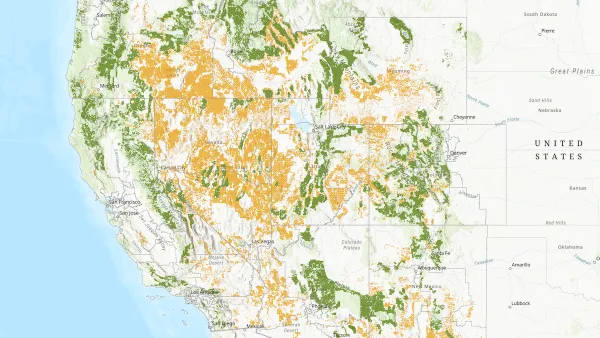
Map: Where Senate Republicans Want to Sell Your Public Lands
For public land advocates, the Senate Republicans’ proposal to sell millions of acres of public land in the West is “the biggest fight of their careers.”
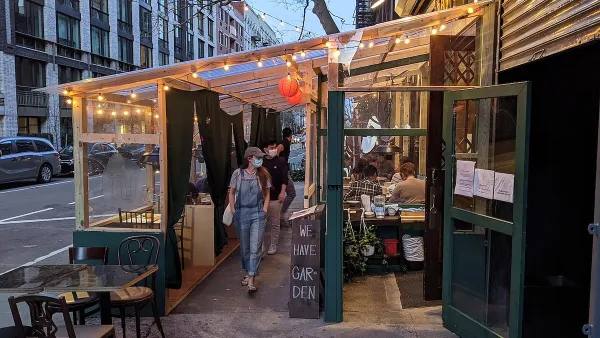
Restaurant Patios Were a Pandemic Win — Why Were They so Hard to Keep?
Social distancing requirements and changes in travel patterns prompted cities to pilot new uses for street and sidewalk space. Then it got complicated.

Platform Pilsner: Vancouver Transit Agency Releases... a Beer?
TransLink will receive a portion of every sale of the four-pack.

Toronto Weighs Cheaper Transit, Parking Hikes for Major Events
Special event rates would take effect during large festivals, sports games and concerts to ‘discourage driving, manage congestion and free up space for transit.”

Berlin to Consider Car-Free Zone Larger Than Manhattan
The area bound by the 22-mile Ringbahn would still allow 12 uses of a private automobile per year per person, and several other exemptions.

Urban Design for Planners 1: Software Tools
This six-course series explores essential urban design concepts using open source software and equips planners with the tools they need to participate fully in the urban design process.
Planning for Universal Design
Learn the tools for implementing Universal Design in planning regulations.

Heyer Gruel & Associates PA
JM Goldson LLC
Custer County Colorado
City of Camden Redevelopment Agency
City of Astoria
Transportation Research & Education Center (TREC) at Portland State University
Camden Redevelopment Agency
City of Claremont
Municipality of Princeton (NJ)