






















With energy and the economy both causing headaches, 2008 has been a big year for local governments recognizing and planning for peak oil. Finding a way forward in a future of constrained energy will require much of planners.


"2008 was a big year for government responses to peak oil. Post Carbon Cities, which tracks local government responses to the issue, has added a number of new towns -- not just the "usual suspects" -- to its list. But the bill is rapidly coming due on our "energy gluttony problem," and U.S. cities are left bedecked with infrastructure that requires cheap, easy energy.
The way ahead is not obvious for either planners or government officials. Planning and engineering practice is still rooted in a 20th-century mindset that assumes energy --and especially gasoline-- will be readily available and affordable for decades to come. As decades-long trends of both suburbanization and globalization come up against the resource limits of the 21st century, we'll have to move quickly to adjust to the new rules.
One of those new rules was explained succinctly by Bloustein School of Planning (Rutgers University) Dean James Hughes this past June: 'Distance matters.' If 2008 turns out to be the year that the big post-war economic and development trends finally came to an end, perhaps it will also be the year that we finally stopped pretending that distance didn't matter."
FULL STORY: Post Carbon Cities 2008 Year in Review

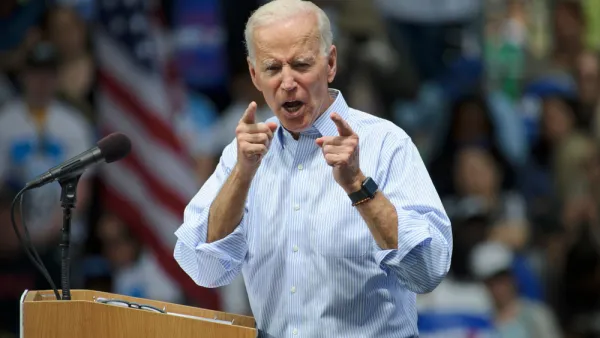
For Transportation, Real Reform Can Only Happen at the State and Local Levels
Without buy-in for new ways of thinking at the state level, the presidential election is not likely to change much about the ways the United States plans and funds transportation infrastructure.
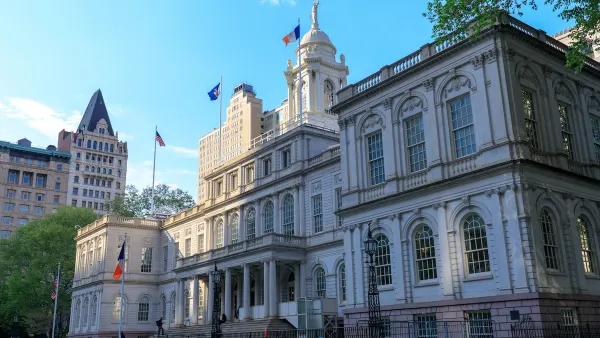
Are Black Mayors Being Pushed Out of Office?
The mayors of New York, St. Louis, and Pittsburgh all stand to lose their seats in the coming weeks. They also all happen to be Black.
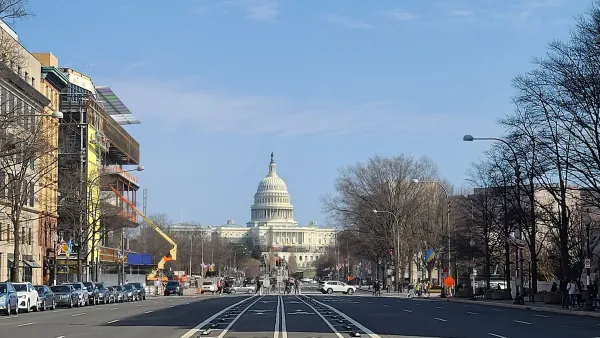
Planning Trends for 2025: Creative Housing Solutions, Ongoing Transit Woes, and the Ever-Creeping Tentacles of AI
Urban planners have no shortage of urgent issues to delve into, from a deepening housing crisis to an increasingly unpredictable climate to a new federal administration bent on slashing key funding for everything from electric cars to housing assistance.

Planetizen Federal Action Tracker
A weekly monitor of how Trump’s orders and actions are impacting planners and planning in America.
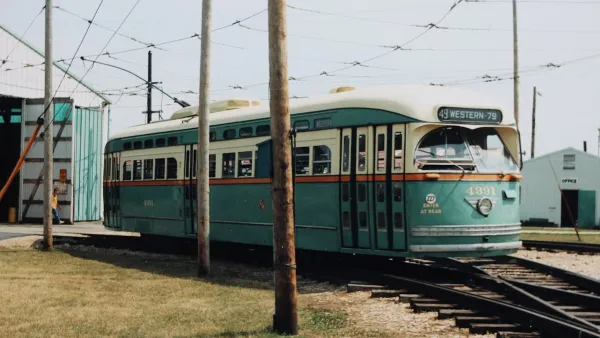
Chicago’s Ghost Rails
Just beneath the surface of the modern city lie the remnants of its expansive early 20th-century streetcar system.
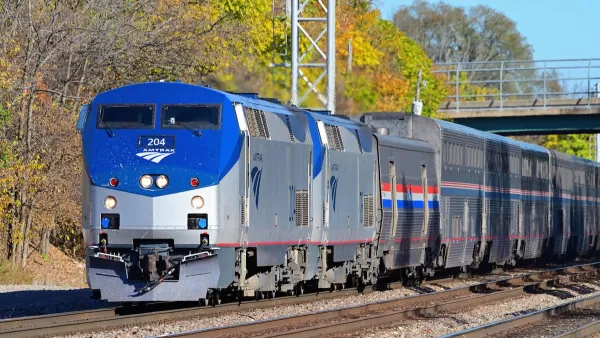
Amtrak Cutting Jobs, Funding to High-Speed Rail
The agency plans to cut 10 percent of its workforce and has confirmed it will not fund new high-speed rail projects.

Ohio Forces Data Centers to Prepay for Power
Utilities are calling on states to hold data center operators responsible for new energy demands to prevent leaving consumers on the hook for their bills.

MARTA CEO Steps Down Amid Citizenship Concerns
MARTA’s board announced Thursday that its chief, who is from Canada, is resigning due to questions about his immigration status.

Silicon Valley ‘Bike Superhighway’ Awarded $14M State Grant
A Caltrans grant brings the 10-mile Central Bikeway project connecting Santa Clara and East San Jose closer to fruition.

Urban Design for Planners 1: Software Tools
This six-course series explores essential urban design concepts using open source software and equips planners with the tools they need to participate fully in the urban design process.
Planning for Universal Design
Learn the tools for implementing Universal Design in planning regulations.

Caltrans
City of Fort Worth
Mpact (founded as Rail~Volution)
City of Camden Redevelopment Agency
City of Astoria
City of Portland
City of Laramie