

























Repairing the nation's infrastructure is a good move on to-be President Obama's part, as it also creates jobs "that lead to the creation of still more jobs."


"The advantage of infrastructure spending for a liberal-leaning president is that it doesn't carry the whiff of welfare. It appears hard-headed, practical and anything but effete. Cutting a stimulus check? 'Girly-man' stuff, Schwarzenegger would say. Rebuilding a bridge? That's macho stimulus."
"Sure, any such package will raise howls from a new flock of deficit hawks, taking flight on creaky wings after eight years of being grounded under George W. Bush. But with a deep recession looming, the pressure on Obama to balance the budget will be minimal. His charge is to create jobs that lead to the creation of still more jobs.
The historical timing is right for massive investments. All over the country, bridges that were built as part of the Interstate Highway System are nearing the end of their useful lives. Traffic congestion in major metropolitan areas is sparking new interest in mass transit. The philosophical aversion to investments in high-speed intercity rail that has marked the past eight years is about to be loaded up on a moving truck and sent to that new presidential library in Texas."
FULL STORY: Momentum might be building to build up the U.S. infrastructure

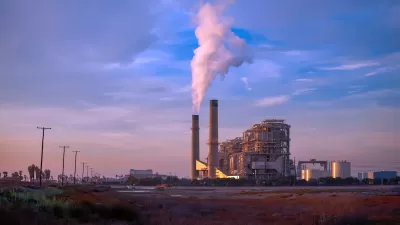
Power Plants: A Win for the EPA
New rules from the US Environmental Protection Agency to regulate greenhouse gas emissions from fossil fuel-fired power plants survived an attempt by 25 Republican-led states to block their implementation while their case is litigated.
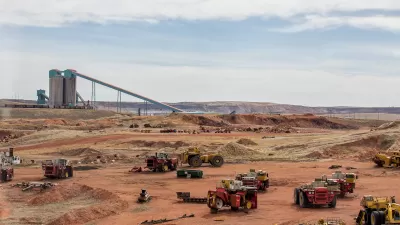
A Win for ‘Keep it in the Ground’
Coal mining in Wyoming will take a major hit as a result of a U.S. Department of Interior plan to cease future leasing of coal mines in the nation's most productive coal mining basin. The decision casts a spotlight on the presidential election.
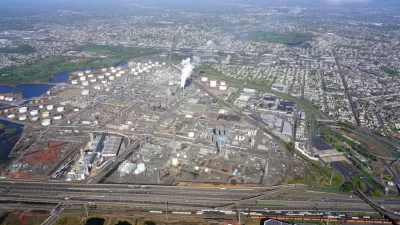
Supreme Court Guts the U.S. EPA’s Ability to Limit Carbon Emissions
The consequences of this ruling have long been foretold. With the U.S. Environmental Protection Agency now officially barred from the fight against climate change, Congress will have to act to reduce carbon emissions.

Trump Administration Could Effectively End Housing Voucher Program
Federal officials are eyeing major cuts to the Section 8 program that helps millions of low-income households pay rent.
Planetizen Federal Action Tracker
A weekly monitor of how Trump’s orders and actions are impacting planners and planning in America.

Canada vs. Kamala: Whose Liberal Housing Platform Comes Out on Top?
As Canada votes for a new Prime Minister, what can America learn from the leading liberal candidate of its neighbor to the north?

Washington State’s Parking Reform Law Could Unlock ‘Countless’ Acres for New Housing
A law that limits how much parking cities can require for residential amd commercial developments could lead to a construction boom.

Wildlife Rebounds After the Eaton Fire
Following the devastation of the Eaton Fire, the return of wildlife and the regrowth of native plants are offering powerful signs of resilience and renewal.

LA to Replace Inglewood Light Rail Project With Bus Shuttles
LA Metro says the change is in response to community engagement and that the new design will be ready before the 2028 Olympic Games.

Urban Design for Planners 1: Software Tools
This six-course series explores essential urban design concepts using open source software and equips planners with the tools they need to participate fully in the urban design process.
Planning for Universal Design
Learn the tools for implementing Universal Design in planning regulations.

Central Transportation Planning Staff/Boston Region MPO
Heyer Gruel & Associates PA
Institute for Housing and Urban Development Studies (IHS)
City of Grandview
Harvard GSD Executive Education
Regional Transportation Commission of Southern Nevada
Toledo-Lucas County Plan Commissions