


















The long-awaited report by the National Surface Transportation Policy and Revenue Study Commission has finally been released and it's sure to create a stir as it calls for annual increases in the gas tax of 5 to 8 cents for 5 years, and then some.


"The National Surface Transportation Policy and Revenue Study Commission, a "non-partisan panel created by Congress, issued a report calling for a massive infusion of money into the country's transportation system, including transit as well as commercial and passenger rail service."
"'We have a looming crisis,' said Jack Schenendorf, vice chairman of the National Surface Transportation Policy Revenue Study Commission."
He described the crisis as being intergenerational in that the preceding generation created a world-class road system that the current generation is allowing to deteriorate because it is under-funded, "spending less that 40%" of what is should on surface transportation.
"The commission also called on the country to move away from the gas tax toward a system where drivers are taxed for highways based on how many miles they drive.
The commission's sweeping report also recommended fee increases to pay for new transit projects, new passenger rail service and improving ways to move freight to market. The commission's recommendations included:
•A federal ticket tax on bus or light rail trips to help pay for transit service.
•A freight fee to help pay for moving products.
•A tax on train tickets to help pay for more intercity passenger rail service. The commission envisions a high-speed rail network in 13 to 15 major corridors across the United States that are 300 to 500 miles length."
FULL STORY: Federal commission seeks up to 40 cent-a-gallon increase in gas tax

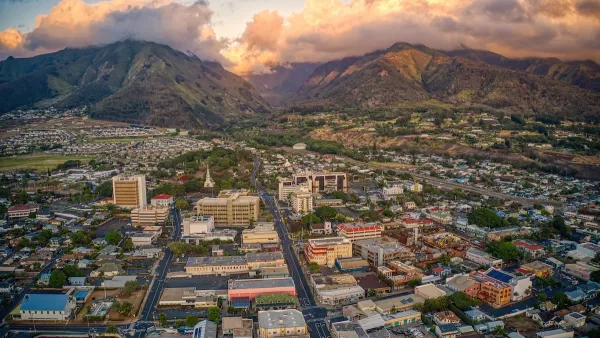
Maui's Vacation Rental Debate Turns Ugly
Verbal attacks, misinformation campaigns and fistfights plague a high-stakes debate to convert thousands of vacation rentals into long-term housing.
Planetizen Federal Action Tracker
A weekly monitor of how Trump’s orders and actions are impacting planners and planning in America.
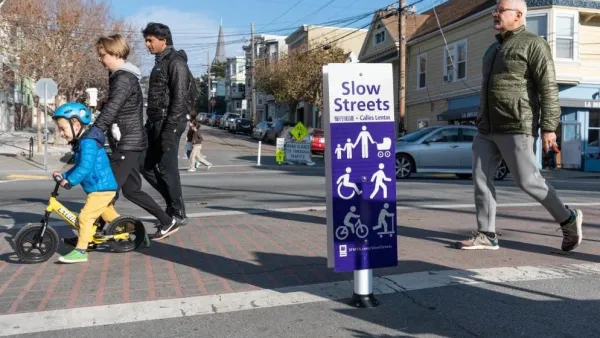
San Francisco Suspends Traffic Calming Amidst Record Deaths
Citing “a challenging fiscal landscape,” the city will cease the program on the heels of 42 traffic deaths, including 24 pedestrians.

Defunct Pittsburgh Power Plant to Become Residential Tower
A decommissioned steam heat plant will be redeveloped into almost 100 affordable housing units.

Trump Prompts Restructuring of Transportation Research Board in “Unprecedented Overreach”
The TRB has eliminated more than half of its committees including those focused on climate, equity, and cities.

Amtrak Rolls Out New Orleans to Alabama “Mardi Gras” Train
The new service will operate morning and evening departures between Mobile and New Orleans.

Urban Design for Planners 1: Software Tools
This six-course series explores essential urban design concepts using open source software and equips planners with the tools they need to participate fully in the urban design process.
Planning for Universal Design
Learn the tools for implementing Universal Design in planning regulations.

Heyer Gruel & Associates PA
JM Goldson LLC
Custer County Colorado
City of Camden Redevelopment Agency
City of Astoria
Transportation Research & Education Center (TREC) at Portland State University
Jefferson Parish Government
Camden Redevelopment Agency
City of Claremont