Urban Development

Seattle Law Eases Office Conversions
Despite city and state incentives, officials expect the program will result in a modest number of new housing units.

ForwardDallas Lays out Bold Vision, Lacks Teeth
The land use plan outlines ambitious goals for the city’s future, but offers little in the way of concrete changes.
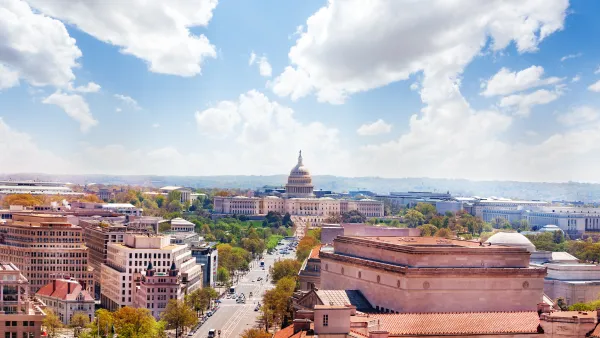
Opinion: TOPA Needs Capital to Succeed
TOPA helps prevent displacement and build tenant power in Washington, DC. Affordable capital is critical to its success.

Strength in Diversity: Crafting an Affordable Housing Coalition in Cincinnati
The city’s longtime champions of housing for low-income residents joined forces with an array of allies to establish a sustainable source of funding for affordable housing.
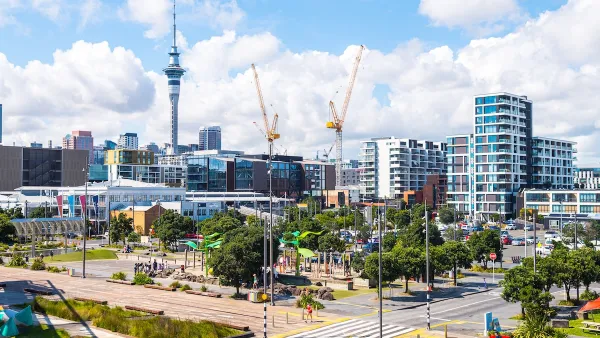
New Zealand Zoning Reform Targets Housing Production
New national rules will prevent local councils from limiting development in an effort to ease the nation’s housing crisis.
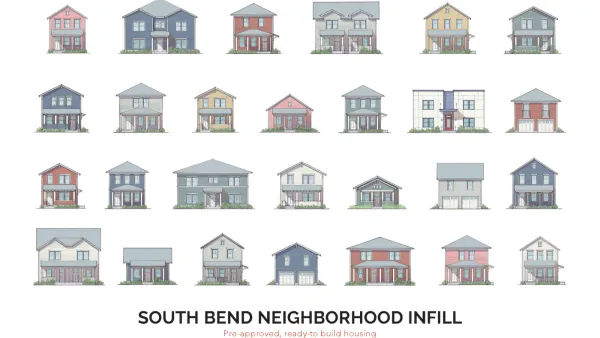
Top 10 Tips for Cities Considering Pre-Approved Housing Plans
Pre-approved housing plans aren't just for small single-family homes, duplexes, and townhouses. In fact, they can play a key role in spurring the delivery of missing middle housing at a variety of sizes and price points.

The Impact of Local Entrepreneurship on Neighborhood Revitalization
Explore how local entrepreneurship boosts neighborhood revitalization, driving economic growth, creating jobs, and enhancing community bonds. Learn about the supportive role urban planners play in fostering sustainable business ecosystems.

This Part of Spain Won Rent Regulations US Tenant Activists Can Only Dream of
In Spain, a new law makes rent control possible — and one region has implemented it. In Catalunya, a rent freeze and rental price index promise to help struggling tenants.

Chicago: An Urban Planner's Guide to the City
Famous for its skyscrapers, city parks, and influential planners like Daniel Burnham, the Windy City has a long urban planning legacy. But it’s got plenty of modern-day planning wins and challenges too.
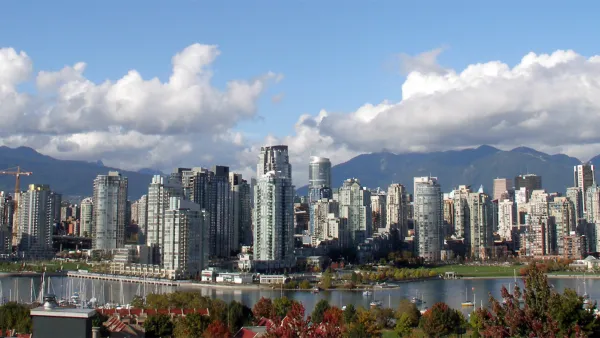
Vancouver City Council Eliminates Parking Mandates, Supports TOD
In a significant step for more diverse housing and transit-friendly development, the Vancouver City Council eliminated parking minimums and adopted a Transit-Oriented Areas (TOA) policy.

Repurposing Oil Fields Into Parks: Advancing Just Transition and Community Well-being
The concept of a "just transition" extends beyond workers to encompass broader social and environmental dimensions, including the restoration and regeneration of land and communities affected by oil extraction activities.

‘Grand Boulevards’ Could Ease Housing Crisis
A prominent urbanist argues that redeveloping commercial corridors with denser housing could bridge the gap between the housing supply and demand.
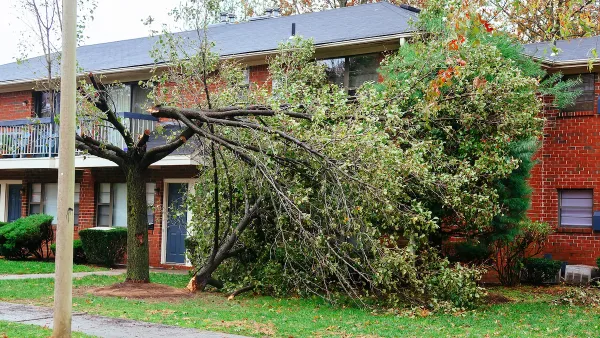
Reining in Rising Property Insurance Rates
There are many proposed ways to mitigate the property insurance cost crisis. They all require action from federal or state governments.
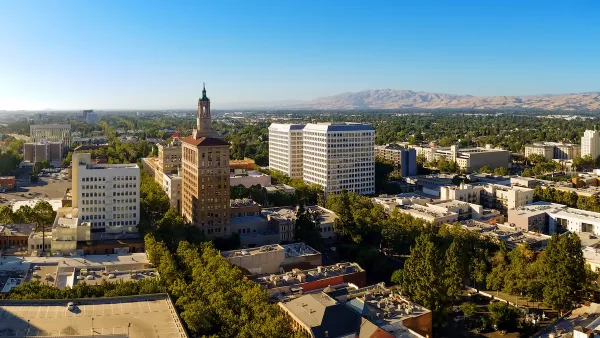
Managing Unsheltered Homelessness in San Jose
As California and other Western states await a SCOTUS ruling that will greatly affect how cities deal with tent encampments, a new stakeholder is causing big changes in how Northern California's largest city deals with its unsheltered population.
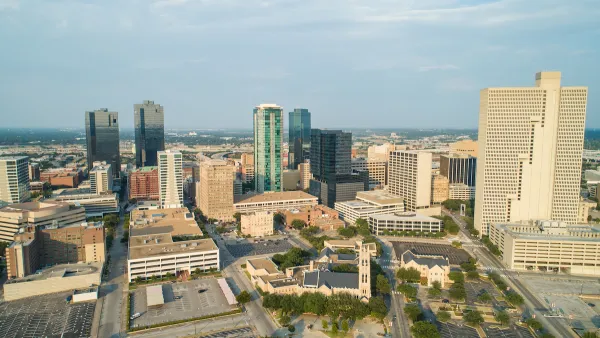
Preserving Fort Worth’s Historic Black Settlements
Communities dating back to the 1830s are under threat from development, pollution, and zoning regulations.
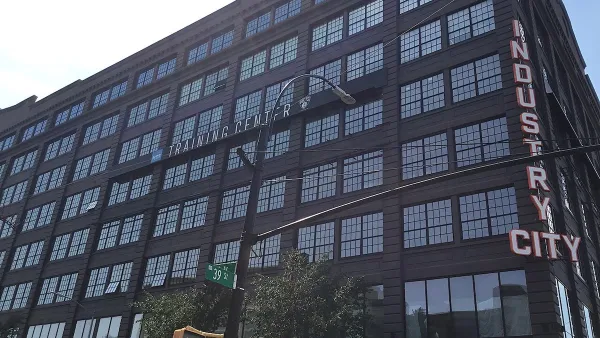
‘Emergent City’ Documentary Highlights Rare Anti-Gentrification Victory
The film charts the saga of a Brooklyn site called Industry City.
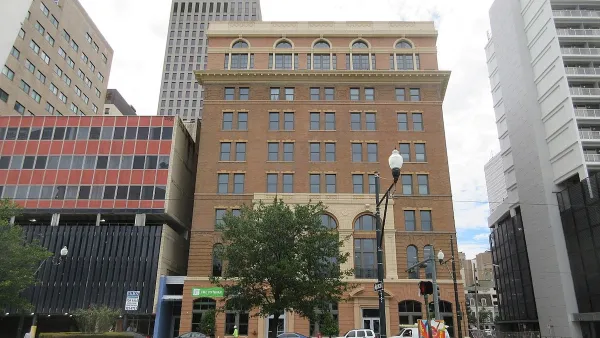
The Permanent Affordability That Wasn't: Lessons from the Pythian Building
A high-stakes, high-profile community land trust project once hailed as a triumph in New Orleans ended in disaster for its residents, but it’s important to draw the right lessons about why.

California Bill Would Make Wildlife Connectivity Part of General Plans
The ‘Room to Roam Act’ would require cities and counties to consider local habitats and the impact of development on wildlife corridors and connectivity.

Top 5 US Cities for Office-to-Residential Conversions
As more and more cities look to adapt vacant office buildings into homes, a new analysis from Urban Institute says some cities will benefit more than others.
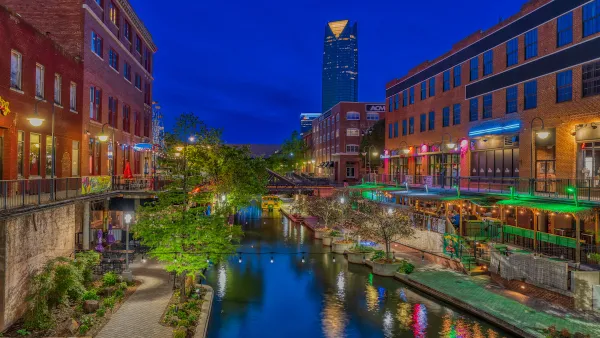
Tallest Building in US Proposed for OKC
The building would stand 1,907 feet high, twice as tall as any other building in the Oklahoma City skyline.

FREE Course: Walkable City 1: Why Walkability?
After describing his path towards focusing on walkability as the essence of good planning, Jeff Speck marches through his five principal reasons for making more walkable places.
Reinventing Malls: Planning Alchemy—Turning Gray Fields Into Gold
The course focuses on the opportunities and imperatives that shape reinvention of mall sites.

Greater Baltimore Committee
Eagle County Government
Harvard University Graduate School of Design
The Architects Foundation
University of Cincinnati Online
The Pocatello Development Authority
The Urban Renewal Agency of the City of Pocatello
Journal of the American Planning Association