Gehl
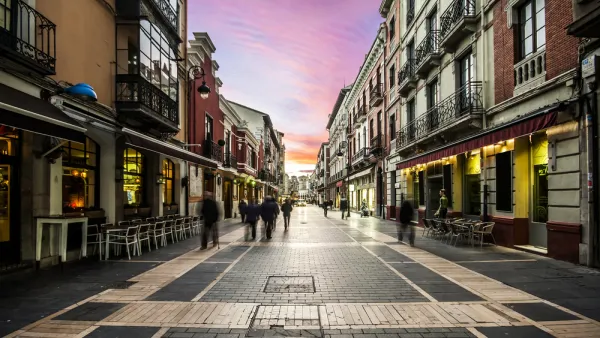
Envisioning the 'Soft City'
Density and diversity—where boundaries between spaces and uses are lessened—create more vibrant, livable places and more functional cities.
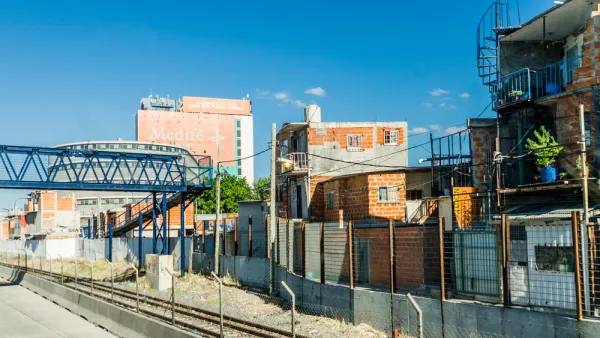
Barrio 31 in Buenos Aires Holds Universal Truths About Informal Urban Places
A study of a poorer neighborhood in Buenos Aires reveals that a delicate balance of design, public space, planning, and access are keys to success.
Architect Hopes To Spread 'Pedestrianizaton'
The transformation of Copenhagen from a car-choked thoroughfare to a lively, pedestrian center began in 1962 with the closing of the Strøget, and folks walked and biked in record numbers. Now architect Jan Gehl hopes to spread this new urban culture.

FREE Course: Walkable City 1: Why Walkability?
After describing his path towards focusing on walkability as the essence of good planning, Jeff Speck marches through his five principal reasons for making more walkable places.
Reinventing Malls: Planning Alchemy—Turning Gray Fields Into Gold
The course focuses on the opportunities and imperatives that shape reinvention of mall sites.

City of Charlotte
City of Rosemead
Rutgers University, Edward J. Bloustein School of Planning and Public Policy
University of Michigan School for Environment and Sustainability (SEAS)
Hunter College, City University of New York (CUNY)
The Architects Foundation
University District Partnership









