Climate-Friendly and Equitable Communities
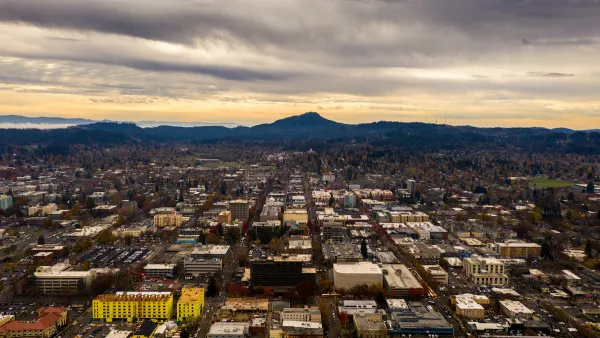
Eugene Ends Parking Minimums
In a move that complies with a state law aimed at reducing transportation emissions, Eugene amended its parking rules to eliminate minimum requirements and set maximum parking lot sizes.

Cities Plan to Sue Over Oregon’s Parking Reforms
Nine of the 52 cities impacted by the state of Oregon’s parking requirements changes, approved earlier this year, plan to sue to stop the reforms.
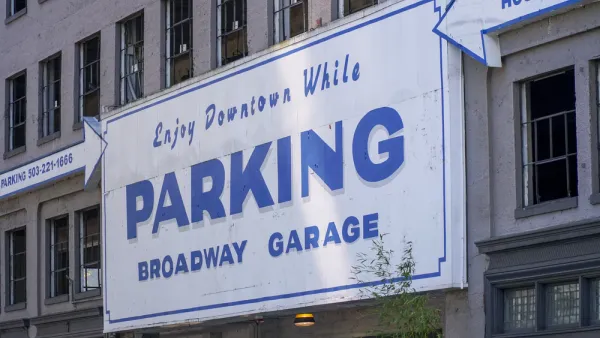
Oregon Makes Historic Parking Reforms. What’s Next?
The state made sweeping reforms that eliminate parking requirements in some jurisdictions, which supporters hope will lead to faster, less expensive construction and the revitalization of vacant properties and underused lots.

Oregon to Reform Parking Requirements in 52 Cities
Oregon, the first state to end single-family zoning statewide, is on the cusp of another historic planning reform as the Land Conservation and Development Commission nears approval for new “Climate-Friendly and Equitable Communities” rules.

FREE Course: Walkable City 1: Why Walkability?
After describing his path towards focusing on walkability as the essence of good planning, Jeff Speck marches through his five principal reasons for making more walkable places.
Reinventing Malls: Planning Alchemy—Turning Gray Fields Into Gold
The course focuses on the opportunities and imperatives that shape reinvention of mall sites.

City of Rosemead
Rutgers University, Edward J. Bloustein School of Planning and Public Policy
One Hundred Miles
University of Michigan School for Environment and Sustainability (SEAS)
Hunter College, City University of New York (CUNY)
The Architects Foundation
City of Cambridge
Montrose County
The Pocatello Development Authority









