Federal Reserve Bank of Cleveland
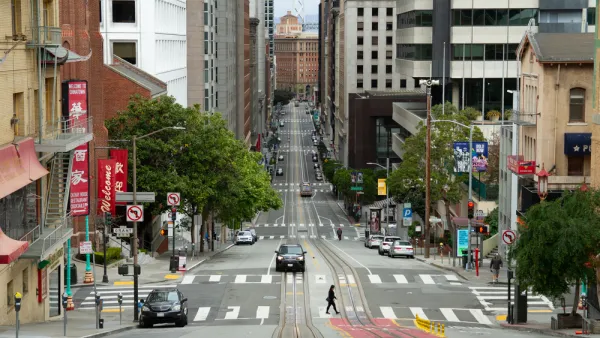
Two Stories From 2020: Which Is True?
Have all cities lost people due to COVID-19, or just a few high-cost ones?
Cincinnati's Unique, Recession-Era Gentrification
A new study examines gentrification (measured by relative income) at the neighborhoods, revealing the unique case of Cincinnati, which increased wealth faster during the recession than it did during the preceding boom.
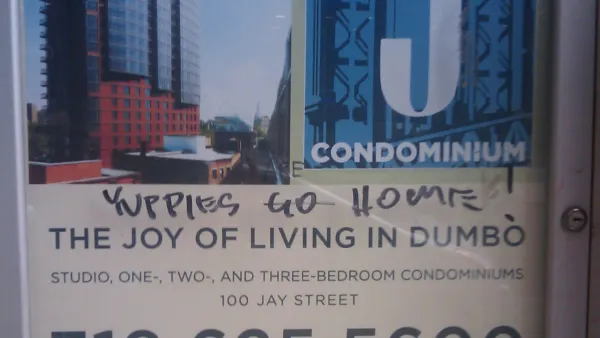
Gentrification and Displacement: Not the Relationship You Might Have Thought
The prevailing wisdom is that as a neighborhood gentrifies, long-time, low income residents are forced to move out because of rising rents, i.e. displacement. Two studies from Columbia University and the Federal Reserve draw different conclusions.
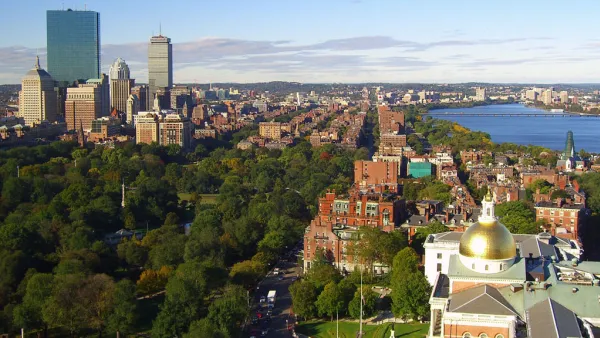
Which U.S. City Gentrified the Most Before the Recession?
A new report from the Federal Reserve Bank of Cleveland quantifies the rate at which America's 55 largest cities gentrified between 2000-2007 based on neighborhood home values. The results may surprise you.

FREE Course: Walkable City 1: Why Walkability?
After describing his path towards focusing on walkability as the essence of good planning, Jeff Speck marches through his five principal reasons for making more walkable places.
Reinventing Malls: Planning Alchemy—Turning Gray Fields Into Gold
The course focuses on the opportunities and imperatives that shape reinvention of mall sites.

City of Rosemead
Rutgers University, Edward J. Bloustein School of Planning and Public Policy
One Hundred Miles
University of Michigan School for Environment and Sustainability (SEAS)
Hunter College, City University of New York (CUNY)
The Architects Foundation
City of Cambridge
Montrose County
The Pocatello Development Authority









