Hazardous Materials
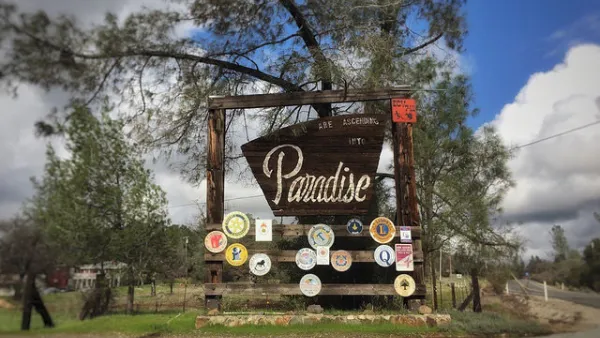
Rebuilding Paradise: Time to Consider Sewers
Paradise is the largest incorporated city west of the Mississippi River lacking a public sewer system. The town of of 27,000 relies on septic systems, now potentially damaged. Without sewers, multi-family housing construction becomes more difficult.
Montana Oil Train Derailment: Seventh of 2015
An estimated 35,000 gallons of crude spilled from four of 22 toppled tank cars of a 106-car oil train near Culbertson in northeast Montana on July 16. Unlike other oil train derailments, no fiery explosions occurred.
New Crude-by-Rail Rule Restricts Access to Information
A May 1 Federal Railroad Administration rule on moving crude by rail was supposed to make routing information more accessible to the the public, but due to lobbying by the rail industry, it will do just the opposite.
Freight Rail Conundrum: Speed vs. Safety
Safety would win hands down for passenger rail, but for-profit railroads have a bottom line to consider. Regulators have proposed reduced train speeds, opposed by railroads, to prevent fiery derailments that have resulted from shipping shale oil.
First Responders Not Prepared for Oil Train Explosions Despite Emergency Order
Notwithstanding an emergency order DOT issued on May 7 that railroads must provide cities oil train information, secrecy continues to cloak the transport of hazardous oil shipments leaving first responders ill-prepared to handle fiery explosions.
DOT's Emergency Actions on Shipping Bakken Crude by Rail Fall Short
In what is being billed as the first emergency order of more to come, the Department of Transportation (DOT), the federal regulator of transporting crude oil by rail, hopes to quell the growing national furor over what some call 'ticking time bombs'.
Crude by Rail Declared 'Imminent Hazard' by Federal Regulators
The full declaration on CBR by DOT regulators was “an imminent hazard to public health and safety and the environment." An immediate safety order was issued requiring vigorous testing of crude and prohibition of use of some tanker cars.
Coal Ash Spill Fouls North Carolina's Dan River
The coal ash spill, 82,000 tons as of Feb. 8 after being detected on Feb. 2, comes from a pond adjacent to a closed, coal-burning Duke Energy power plant. It is said not to pose a threat to drinking water, though the river has turned black and grey.
Green Building, Black Lung?
The U.S. Green Building Council's LEED building rating system has helped grow the ranks of green buildings, but some say it ignores the human health impact of those buildings.

FREE Course: Walkable City 1: Why Walkability?
After describing his path towards focusing on walkability as the essence of good planning, Jeff Speck marches through his five principal reasons for making more walkable places.
Reinventing Malls: Planning Alchemy—Turning Gray Fields Into Gold
The course focuses on the opportunities and imperatives that shape reinvention of mall sites.

City of Charlotte
City of Rosemead
Rutgers University, Edward J. Bloustein School of Planning and Public Policy
University of Michigan School for Environment and Sustainability (SEAS)
Hunter College, City University of New York (CUNY)
The Architects Foundation
University District Partnership









