Thousands of homes in the city were found to be underused and subject to a vacancy tax.


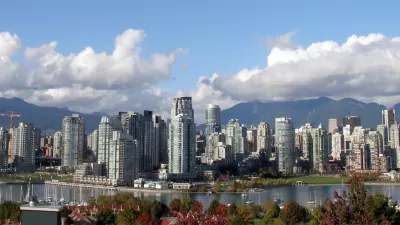
Nearly 8,500 homes in Vancouver—or about 4.6 percent—will be subject to a new vacancy tax of 1 percent of their assessed value, The Guardian reports. They were found to be "empty or underutilized" for at least 180 days out of the year, based on declarations submitted by nearly 99 percent of homeowners in 2017.
More than a quarter of the vacant properties are in downtown Vancouver, and nearly 61 percent are condos.
Vancouver's controversial vacancy tax went into effect in 2017 as part of a multipronged strategy to reduce housing prices in the city. Economist Robert Hogue told The Guardian that while the new data on homeownership vacancy is "difficult to put into context," it contrasts with the city's rental vacancy rate, which is less than 1 percent.
FULL STORY: Vancouver declares 5% of homes empty and liable for new tax

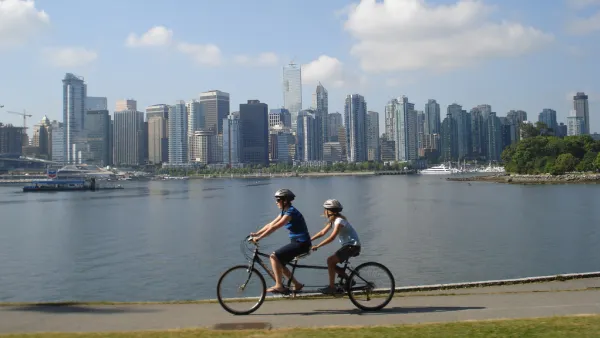
Vancouver Again Raises its Empty Homes Tax
The Vancouver Empty Homes Tax will soon be three times as high as it was when adopted in 2017.
Vacancy Taxes as a Response to the Housing Crisis
Could vacancy taxes solve multiple housing challenges at once?
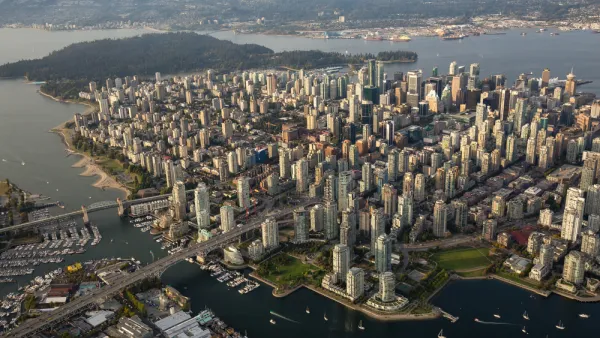
Luxury Condos for Sale in Vancouver as Non-Resident Owners Balk at New Taxes
A tax on non-resident property owners is working as it's intended, as a wave of luxury condo units hit the real estate market all over the city of Vancouver.

Planetizen Federal Action Tracker
A weekly monitor of how Trump’s orders and actions are impacting planners and planning in America.

The state-sanctioned urbicide of Austin
People don’t kill cities. Freeways do.

US to reduce Colorado River water deliveries to Mexico
A new Colorado Treaty amendment reduces Mexico’s Colorado River water allocation by 250,000 acre feet.

5 New England states march closer to 800 megawatt wind energy project
Securing federal approval for the project may be complicated under the Trump administration, which has historically been hostile towards domestic wind power.

Baltimore to break ground on $50 million Transit Priority Project
The project will bring faster bus trips, safer streets and better bike connections to Baltimore.

Airbnb launches $250 million 'last-dollar financing' housing accelerator, makes first investment in Austin
The company will put $6.4 million towards affordable housing development in Texas’ capital.

FREE Course: Walkable City 1: Why Walkability?
After describing his path towards focusing on walkability as the essence of good planning, Jeff Speck marches through his five principal reasons for making more walkable places.
Reinventing Malls: Planning Alchemy—Turning Gray Fields Into Gold
The course focuses on the opportunities and imperatives that shape reinvention of mall sites.


Eagle County Government
Harvard University Graduate School of Design
Nashville Planning Department
The Architects Foundation
University of Cincinnati Online
The Pocatello Development Authority
The Urban Renewal Agency of the City of Pocatello
Journal of the American Planning Association