Cities around the continent are reclaiming the previously unwelcoming confines of underpasses for active, healthy, and aesthetically pleasing uses.


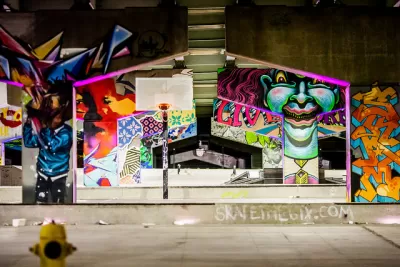
According to an article by Megan Barber, "many cities are turning transit underpasses into public parks, replacing trash, overgrown weeds, and dark passageways with art installations, funky lights, and pedestrian thoroughfares."
The article presents seven prominent examples of underpasses that have been transformed into attractive public spaces, including a blurb and some fetching photography. Some of these examples have been recently completed, others have long histories, and some are still in planning or design phases.
- The Wabash Lights in Chicago
- The I-5 Colonnade Bike Park in Seattle
- The Underline in Miami
- The Bentway in Toronto
- Burnside Skatepark in Portland
- Underpass Art Parks in Washington, D.C.
- Sabine Promenade in Houston
And because Barber asked for examples that the post missed, what about the Underpass Park in Toronto, which was awarded the ASLA's 2016 Professional Award of Excellence?
Read the full story: 7 ugly urban underpasses now functioning as public parks
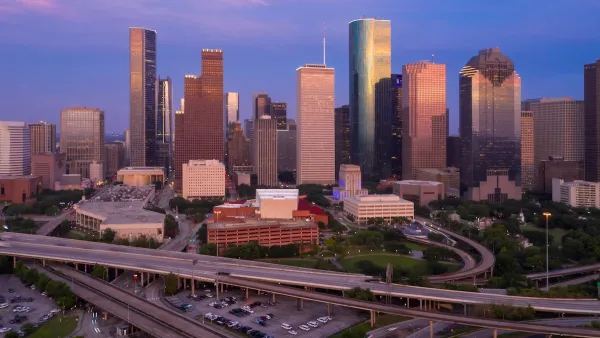
Reimagining the Space Beneath Houston’s Freeways
Opportunities abound for Houston to capitalize on otherwise unused space beneath its wide network of freeways.
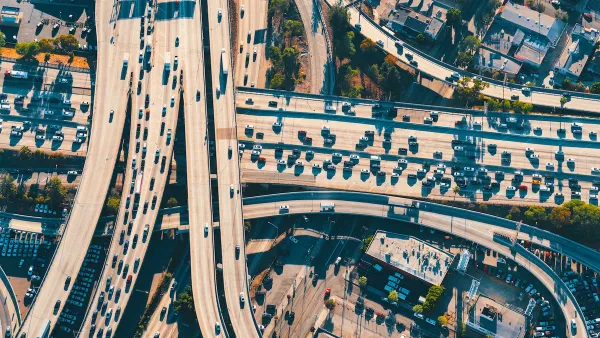
Audit: Caltrans Ignored Red Flags Before Freeway Fire
A lax inspection schedule contributed to the hazardous conditions that led to the massive blaze that shut down Interstate 10 in Los Angeles last year.
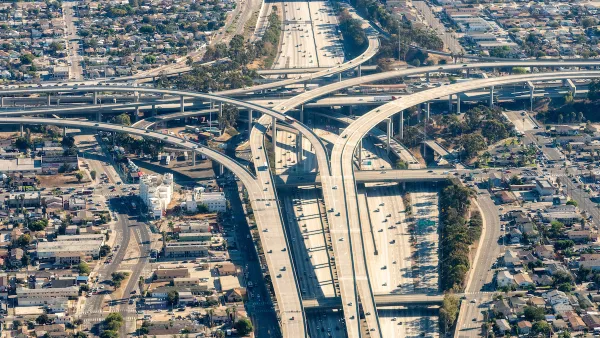
Fire Officials Say More LA Freeway Underpasses at Fire Risk
The city’s fire department is surveying other underpasses for hazardous materials and other code violations that led to the November 11 fire that shut down a key interstate segment.

Planetizen Federal Action Tracker
A weekly monitor of how Trump’s orders and actions are impacting planners and planning in America.

California plans to bury El Niño’s downpour
If the state plays its cards right, it may be able to store a billion acre-feet of El Niño’s water in aquifers.

Desperate measures: Advocates weigh draining Lake Powell to fill Colorado River
Draining the reservoir could reduce evaporation losses by a couple hundred thousand acre-feet.

Housing is the top priority of Seattle’s sole new councilmember
Jenks campaigned on building 1,000 new units of affordable housing.

New tax cuts may slash $1.5 billion in funding for Miami transit, public parks
Amendment 3 will save Miami-Dade homeowners $2,700 in 2028.

Arizona, Wisconsin, Pennsylvania hope to finally advance climate goals post-midterms
The three states have spent years under Republican or divided control.

FREE Course: Walkable City 1: Why Walkability?
After describing his path towards focusing on walkability as the essence of good planning, Jeff Speck marches through his five principal reasons for making more walkable places.
Reinventing Malls: Planning Alchemy—Turning Gray Fields Into Gold
The course focuses on the opportunities and imperatives that shape reinvention of mall sites.

City of Rosemead
Rutgers University, Edward J. Bloustein School of Planning and Public Policy
One Hundred Miles
University of Michigan School for Environment and Sustainability (SEAS)
Hunter College, City University of New York (CUNY)
The Architects Foundation
City of Cambridge
Montrose County
The Pocatello Development Authority